
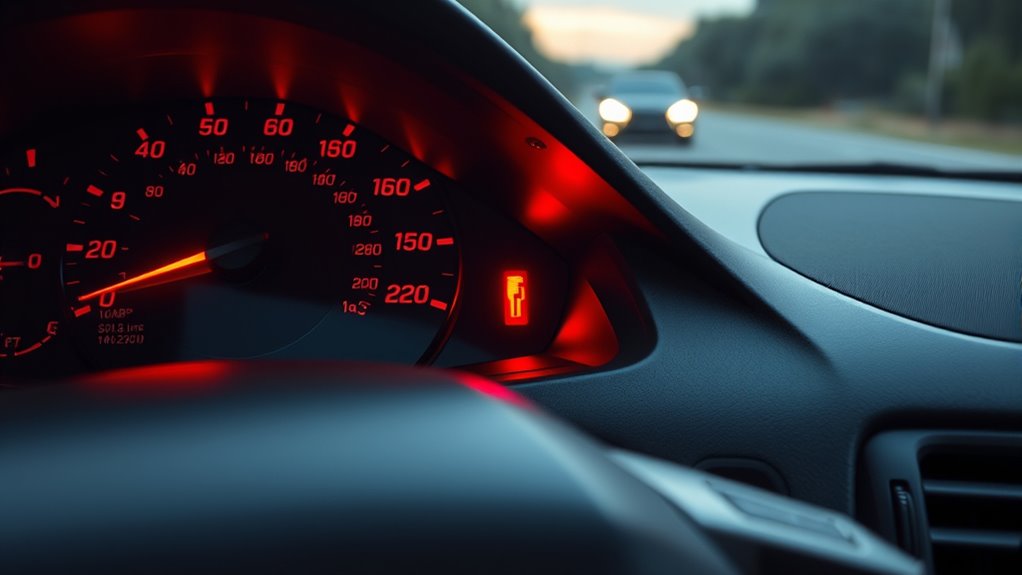

The tire pressure monitor light means your tire pressure is too low or too high, signaling a need for immediate attention. It utilizes sensors in each tire, continuously monitoring their pressure. When this light activates, it’s essential to check your tire pressure with a gauge and inspect for leaks or damage. Proper tire pressure enhances safety and vehicle performance. Keep exploring to discover more about maintaining your tires and what steps to take next.
Understanding the Tire Pressure Monitor System (TPMS)
Understanding the Tire Pressure Monitor System (TPMS) is vital for maintaining your vehicle’s safety and efficiency. This system alerts you when your tire pressure is too low or too high, helping you avoid potential hazards. TPMS functionality relies on sensors located in each tire, which continuously monitor pressure levels. If you notice the TPMS light activate, it’s important to check your tire pressure promptly. Regular sensor calibration guarantees accuracy, keeping your system in top shape. By staying informed and proactive about your TPMS, you can enjoy the freedom of the road with confidence. Remember, a well-maintained TPMS not only enhances safety but also improves fuel efficiency, allowing you to travel further without worry.
Common Causes of the Tire Pressure Monitor Light Activation
When the Tire Pressure Monitor Light activates, it can be frustrating, especially if you’re unsure why it’s happening. There are several common causes that could trigger this alert, and knowing them can empower you to take action. Here are four key reasons:
The Tire Pressure Monitor Light can be perplexing; understanding its common triggers can help you stay safe on the road.
- Low Tire Pressure: A drop in pressure often means your tires need air.
- Sensor Malfunction: Sometimes the sensors themselves can fail, causing false alerts.
- Environmental Factors: Temperature changes can affect tire pressure, especially in extreme conditions.
- Punctures or Leaks: A tire can develop a puncture or slow leak, leading to pressure loss.
Understanding these causes helps you maintain your freedom on the road, ensuring a safe and enjoyable driving experience.
The Importance of Maintaining Proper Tire Pressure
Maintaining proper tire pressure is vital not only for your vehicle’s performance but also for your safety on the road. When your tires are inflated to the right level, you’ll experience better fuel efficiency, enhanced handling, and a smoother ride. Conversely, low or high tire pressure can lead to uneven tire wear, reduced traction, and even blowouts. This can compromise your vehicle safety and put you at risk. Regularly checking your tire pressure helps guarantee peak performance and longevity of your tires. It’s a simple yet important task that empowers you to take control of your driving experience. Remember, staying informed about tire pressure isn’t just about maintenance; it’s about securing your freedom on the road.
Steps to Take When the Light Illuminates
If your tire pressure monitor light comes on, it’s crucial to act promptly. Ignoring it can compromise your safety and freedom on the road. Here are the steps you should take:
- Check your tire pressure: Use a gauge to measure each tire’s pressure, confirming it matches the recommended levels.
- Inspect for leaks or damage: Look for any visible punctures or cracks in your tires that could lead to air loss.
- Inflate or deflate as needed: Adjust the tire pressure to the recommended level, considering both under-inflated and over-inflated tires.
- Perform regular safety checks: Make tire maintenance a routine part of your vehicle care to prevent future issues.
Taking these steps not only confirms your safety but also enhances your driving experience.
Preventative Measures for Maintaining Tire Health
After addressing the tire pressure monitor light, it’s important to think about ways to keep your tires in top shape. Regular maintenance is key to ensuring a smooth ride and extending tire life.
| Action | Frequency |
|---|---|
| Tire Rotation | Every 5,000-7,500 miles |
| Tread Inspection | Monthly |
| Air Pressure Check | Monthly |
| Sidewall Inspection | Before long trips |
| Alignment Check | Annually |
Frequently Asked Questions
Can Tire Pressure Affect Fuel Efficiency?
Yes, tire pressure can greatly affect your fuel efficiency. Under-inflated tires create more rolling resistance, causing your engine to work harder, which leads to increased fuel consumption. Keeping your tires properly inflated helps maximize your vehicle’s efficiency.
How Often Should I Check My Tire Pressure?
You should check your tire pressure at least once a month, and before long trips, to guarantee proper tire maintenance. Following pressure guidelines helps maintain ideal performance, extends tire life, and enhances your vehicle’s fuel efficiency.
What Tools Do I Need to Check Tire Pressure?
To check tire pressure, you’ll need a reliable pressure gauge, which can be digital or manual. Just make sure it’s accurate, and you’re set to maintain your tires for a smoother, safer ride.
Can Weather Changes Impact Tire Pressure?
Absolutely, weather changes can dance with your tire pressure. Temperature fluctuations and humidity levels can cause tires to expand or contract, leading to potentially dangerous driving conditions if you don’t keep an eye on it.
Is It Safe to Drive With the Light On?
No, it’s not safe to drive with the tire pressure warning indicators on. Ignoring tire safety can lead to blowouts or accidents. Always check your tire pressure and address any issues promptly for a safer driving experience.
