
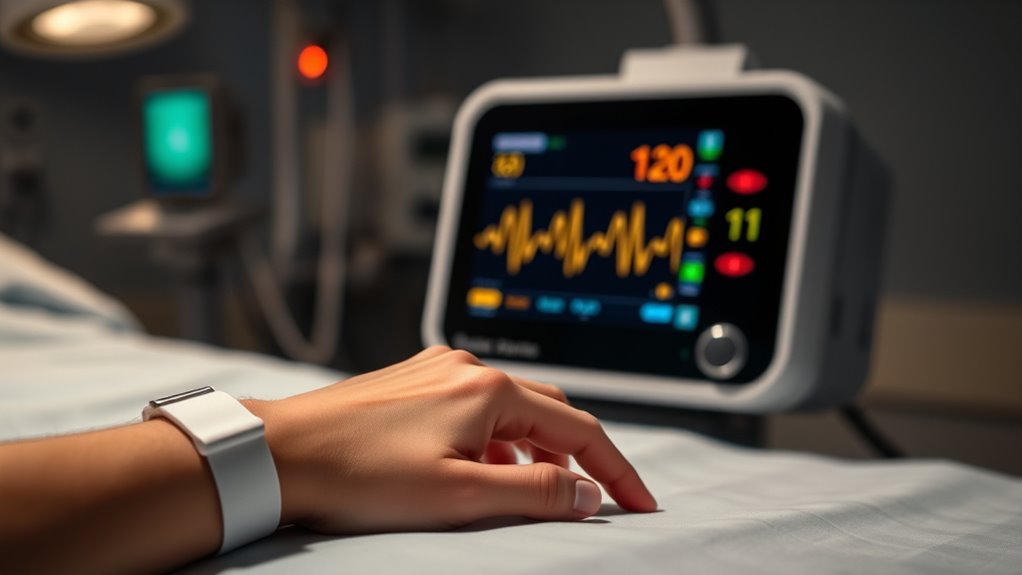

A heart monitor is a medical device that tracks and records your heart’s electrical activity in real-time. It helps you understand your cardiovascular health by providing insights into your heart rate and rhythm. With various types, including wearable and implantable monitors, you can choose one that fits your lifestyle. Heart monitors enable early detection of irregularities and guide treatment decisions. If you’re curious about how they work and their benefits, there’s more to discover.
Understanding Heart Monitors
Heart monitors are essential devices that track your heart’s activity in real-time, providing critical data on your cardiovascular health. The heart monitor benefits you by enabling early detection of irregularities, enhancing your overall patient experience. With continuous monitoring, you gain insights into your heart’s rhythm and rate, allowing for timely interventions if needed. This proactive approach can help you make informed decisions about your lifestyle, medications, and treatment plans. Additionally, many monitors offer user-friendly interfaces, making it easier for you to understand your heart health data. By keeping you connected to your healthcare team, these devices empower you to take control of your well-being and achieve a greater sense of freedom regarding your health management.
Types of Heart Monitors
Numerous types of heart monitors are available, each designed to cater to specific needs and situations. Here’s a quick overview of the main categories:
Explore the diverse range of heart monitors tailored to meet your unique health needs and circumstances.
- Wearable Monitors: These devices, like smartwatches, track your heart rate and rhythm in real-time, ensuring you stay informed throughout your day.
- Holter Monitors: Worn for 24-48 hours, these portable monitors record your heart’s activity continuously, helping detect irregularities.
- Event Monitors: These are used over a longer period but only record when you experience symptoms, providing targeted data.
- Implantable Devices: These small devices, placed under the skin, offer long-term monitoring of your heart’s health, ideal for chronic conditions.
Choosing the right type can empower you in managing your heart health effectively.
How Heart Monitors Work
Heart monitors use advanced sensor technology to detect and measure your heart’s electrical activity. These sensors convert physical signals into digital data, which is then transmitted for analysis. Understanding this process is key to appreciating how heart monitors provide real-time insights into your cardiovascular health.
Sensor Technology Overview
While many people may not realize it, heart monitors rely on advanced sensor technology to track and analyze your heart’s activity. The effectiveness of these devices hinges on various sensor types that guarantee measurement accuracy. Here’s a quick overview:
- Electrocardiogram (ECG) Sensors: Measure electrical signals from your heart.
- Optical Sensors: Use light to detect blood flow and heart rate.
- Accelerometers: Track movement, helping to correlate activity with heart performance.
- Piezoelectric Sensors: Convert mechanical stress into electrical signals, providing additional insights.
Each sensor type plays a pivotal role in delivering real-time data, empowering you to monitor your heart health effectively. Understanding these technologies can help you make informed decisions about your wellness.
Data Transmission Process
After the sensors collect data on your heart’s activity, the next step involves the data transmission process. This process guarantees the information is sent to a monitoring device or healthcare professional efficiently. Typically, the heart monitor converts electrical signals from your heart into digital data. This digital data undergoes signal processing, where it’s filtered and analyzed for accuracy.
Once processed, the data is transmitted wirelessly, often using Bluetooth or Wi-Fi technology. This allows real-time monitoring, giving you and your healthcare provider immediate access to critical information. The seamless flow of data transmission is essential for timely interventions and personalized care, empowering you to maintain better heart health while enjoying your freedom.
The Importance of Heart Monitoring
Monitoring your heart health is essential for early detection and prevention of cardiovascular issues. By keeping track of your heart’s performance, you can enhance patient safety and guarantee a proactive approach to well-being. Here are four key reasons why heart monitoring matters:
Monitoring heart health is crucial for preventing cardiovascular issues and ensuring a proactive approach to wellness.
- Early Detection: Identifying irregularities in heart rhythms or rate can lead to timely interventions.
- Risk Assessment: Understanding your heart’s condition helps assess the risk of heart diseases.
- Treatment Optimization: Continuous monitoring provides data to tailor treatments effectively.
- Lifestyle Insights: Tracking your heart health can guide lifestyle changes, promoting overall wellness.
Uses of Heart Monitors in Healthcare
Heart monitors play a significant role in healthcare by providing continuous heart rate monitoring, which helps maintain patient stability. They’re essential for detecting arrhythmias and other abnormalities, allowing for timely interventions. Additionally, these devices are essential in evaluating patients during post-surgery recovery, ensuring ideal healing and care.
Continuous Heart Rate Monitoring
As healthcare technology advances, continuous heart rate monitoring has become crucial for patient care. With real-time tracking capabilities, wearable devices enable you to keep a close watch on heart health. Here are some key uses for continuous heart rate monitoring:
- Early detection of issues: Catch potential problems before they escalate.
- Post-surgery recovery: Monitor critical signs to guarantee safe healing.
- Fitness tracking: Optimize your workouts by analyzing heart rate data.
- Chronic condition management: Aid in the effective management of heart diseases.
These applications not only enhance patient outcomes but also empower you to take control of your heart health. Embracing continuous monitoring can lead to a more informed and proactive approach to wellness.
Detecting Arrhythmias and Abnormalities
Arrhythmias and other cardiac abnormalities can pose serious health risks, making timely detection essential for effective treatment. Heart monitors play an important role in arrhythmia detection and abnormality identification, allowing healthcare providers to monitor your heart’s rhythm continuously. By analyzing the electrical activity of your heart, these devices can quickly identify irregularities, such as atrial fibrillation or ventricular tachycardia. Early detection is critical; it enables prompt intervention, which can prevent complications like stroke or heart failure. Whether you’re wearing a Holter monitor or an implantable device, each heart monitor contributes to a thorough understanding of your heart health. Ultimately, this technology empowers both you and your healthcare team to make informed decisions regarding your treatment and lifestyle adjustments.
Post-Surgery Recovery Assessment
After surgery, effective recovery assessment is vital for monitoring your heart’s performance and overall health. Heart monitors play an important role in evaluating your post-surgery heart condition. They provide real-time data that helps healthcare professionals guarantee you’re on the right track. Here are four key benefits:
- Continuous Monitoring: Tracks your heart rate and rhythm consistently.
- Early Detection: Identifies any irregularities or complications quickly.
- Data Analysis: Offers insights into your recovery progress and necessary adjustments.
- Patient Comfort: Facilitates a smoother recovery process, giving you peace of mind.
Home vs. Hospital Heart Monitors
While both home and hospital heart monitors serve essential roles in cardiac care, they cater to different needs and settings. Home monitors often come with user-friendly features, like portability and easy data transmission, allowing you to track your heart health comfortably. They’re ideal for chronic conditions or post-operative monitoring, providing you with flexibility and independence. On the other hand, hospital monitors offer significant benefits, including continuous monitoring by healthcare professionals and advanced diagnostic capabilities. In critical situations, real-time data access can be life-saving. Ultimately, your choice between home and hospital heart monitors should depend on your specific health needs and lifestyle, ensuring you receive the right level of care while maintaining your freedom.
Interpreting Heart Monitor Readings
Understanding heart monitor readings can seem intimidating, but it’s essential for managing your cardiovascular health. To effectively interpret these readings, focus on the following key components:
- Heart Rate: This indicates how many times your heart beats per minute. A normal range is typically 60-100 bpm.
- Rhythm Analysis: Look for regularity in your heartbeats. Irregular rhythms may signal underlying issues.
- Waveform Patterns: Familiarize yourself with the P, QRS, and T waves. These represent different phases of the heartbeat.
- Alerts: Pay attention to any alarms or alerts from the monitor. They can indicate abnormal heart rates or irregular rhythms needing immediate attention.
The Future of Heart Monitoring Technology
As technology advances, the future of heart monitoring is poised to become more precise and accessible than ever before. Wearable devices are evolving, offering real-time data that empowers you to manage your heart health. Remote monitoring will allow healthcare providers to track your heart activity from afar, ensuring timely interventions when needed.
| Feature | Current Technology | Future Innovations |
|---|---|---|
| Device Type | Smartwatches | Advanced biosensors |
| Data Accuracy | Moderate | High precision |
| Patient Engagement | Basic alerts | Interactive feedback |
| Remote Support | Limited | Continuous health oversight |
| Accessibility | Moderate | Widespread availability |
These advancements will enhance your autonomy in health management, making heart monitoring a seamless part of your life.
Tips for Using a Heart Monitor Effectively
To maximize the benefits of your heart monitor, it is crucial to establish a consistent routine for using the device. Implementing these best practices will enhance your monitoring experience:
Maximize your heart monitor’s benefits by establishing a consistent routine and following best practices for effective monitoring.
- Adjust Monitor Settings: Familiarize yourself with the device and customize settings to match your activity level and health goals.
- Regular Checks: Consistently check your heart rate during workouts and rest periods to gather accurate data.
- Record Data: Keep a log of your heart rate readings to identify patterns and make informed decisions about your health.
- Stay Informed: Regularly review the latest guidelines on heart health to guarantee you’re using your monitor effectively.
Frequently Asked Questions
How Long Can a Heart Monitor Be Worn Continuously?
How long can you wear a heart monitor continuously? Typically, you can wear it for up to 14 days, depending on the type. This monitoring duration allows for detailed data collection without compromising your freedom.
Are Heart Monitors Safe for All Patients?
Heart monitors are generally safe for most patients, but safety can vary by heart monitor types and individual health conditions. Always consult your healthcare provider to guarantee the best choice for your patient safety.
What Should I Do if My Heart Monitor Alarms?
When your heart monitor alarms, think of it as a lighthouse guiding you through fog. Adjust the monitor settings if needed and respond promptly, checking for issues or calling a healthcare professional for assistance.
Can Heart Monitors Detect Irregular Heartbeats?
Yes, heart monitors can detect irregular heartbeats with varying degrees of accuracy. They continuously analyze your heart’s rhythm, alerting you to any abnormalities, allowing for timely intervention and improved management of your heart health.
How Do I Clean and Maintain My Heart Monitor?
To clean and maintain your heart monitor, use gentle cleaning techniques like a soft cloth and mild soap. Regular maintenance tips include checking battery life and ensuring proper fit for ideal performance and comfort.
