
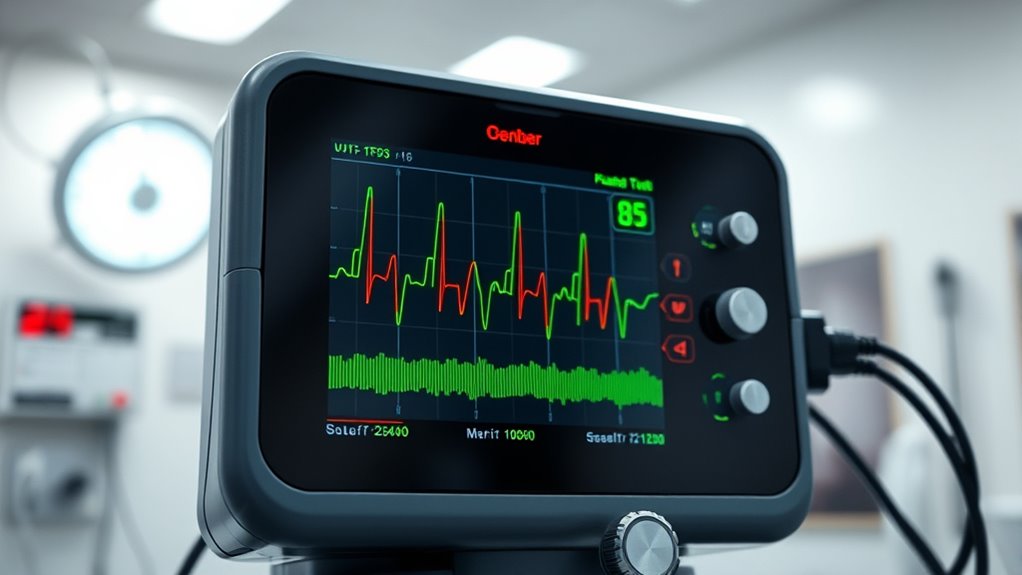

A heart monitor helps you track your heart’s activity, offering real-time insights into your cardiovascular health. With wearable devices and mobile apps, you can easily monitor your heart rate and detect irregularities. These tools are not just for those with heart conditions; athletes and fitness enthusiasts also benefit by optimizing training and recovery. Understanding how to interpret the data can enhance your health management. If you’re curious about how these devices work, you’ll discover more valuable information ahead.
Understanding Heart Monitors
Heart monitors are crucial tools used to track and assess your heart’s activity. With advancements in heart monitor technology, you’re now able to access real-time data that empowers you to take charge of your health. Wearable devices like smartwatches and fitness trackers have made monitoring your heart easier and more convenient than ever. These devices can record your heart rate, detect irregularities, and even alert you to potential issues. By understanding how these tools work, you can make informed choices about your lifestyle and improve your overall well-being. Embracing this technology not only provides valuable insights but also gives you the freedom to monitor your heart health on your terms, ensuring you stay proactive in safeguarding your heart’s health.
Types of Heart Monitors
While there are various types of heart monitors available, each serves a unique purpose tailored to different needs and situations. You might find wearable devices like fitness trackers that monitor your heart rate during workouts, or mobile applications that keep track of your heart health daily. For more serious concerns, diagnostic tools such as Holter monitors provide continuous ECG data for a specified period. Here’s a quick comparison:
| Type | Purpose | Example |
|---|---|---|
| Wearable Devices | Track activity and heart rate | Fitbit, Apple Watch |
| Mobile Applications | Daily heart health tracking | MyHeart Counts, Cardio |
| Diagnostic Tools | Long-term heart condition monitoring | Holter Monitor |
Understanding these options can empower you to make informed choices about your heart health.
How Heart Monitors Work
When it comes to monitoring your heart, understanding how these devices function is essential. Heart monitor technology, especially in wearable devices, tracks your heart’s activity in real-time, giving you insights into your health. Here’s a quick breakdown of how they work:
Understanding heart monitor technology is crucial for gaining real-time insights into your health and tracking your heart’s activity effectively.
- Sensors: These devices use sensors that detect electrical signals from your heart, translating them into data.
- Data Transmission: The collected data is sent to a connected app or device, where you can easily access it.
- Analysis: Algorithms analyze this data, providing feedback on your heart rate, rhythm, and potential irregularities.
With this knowledge, you can make informed decisions about your health while enjoying the freedom of real-time heart monitoring.
Benefits of Using a Heart Monitor
Using a heart monitor can greatly enhance your understanding of your cardiovascular health, as it provides real-time insights that empower you to make informed lifestyle choices. By tracking your heart rate and rhythm, it helps you identify patterns and potential issues early on. This awareness can motivate you to adopt healthier habits, such as exercising regularly and managing stress. With high monitor accuracy, you can trust the data you’re receiving, allowing you to tailor your activities based on your unique heart health needs. Additionally, using a heart monitor fosters accountability, as you can set goals and track your progress over time. Overall, embracing this technology can lead to a more proactive approach to maintaining your heart health and overall well-being.
Who Should Use a Heart Monitor
If you’re an athlete or a fitness enthusiast, a heart monitor can help you optimize your training and track your performance. Additionally, if you have a heart condition, monitoring your heart rate can be vital for managing your health. Understanding who should use a heart monitor is essential for making informed decisions about your fitness and well-being.
Athletes and Fitness Enthusiasts
Whether you’re a seasoned athlete or just starting your fitness journey, a heart monitor can be a game-changer. It helps you track training intensity, ensuring you’re pushing your limits without overdoing it. Here are three key benefits:
- Optimize Recovery: By monitoring your heart rate, you can tailor your rest days, allowing your body to recover efficiently.
- Set Goals: Use your heart monitor data to create specific fitness goals, whether it’s improving endurance or boosting performance.
- Stay Motivated: Seeing real-time data can keep you focused and motivated during your workouts.
Incorporating a heart monitor into your routine isn’t just smart; it’s essential for maximizing your fitness potential and enjoying your journey to better health.
Individuals With Heart Conditions
For individuals with heart conditions, a heart monitor can be an invaluable tool for managing health. These devices provide real-time insights into your heart’s rhythm and rate, allowing you to track changes that may signal issues. By employing various monitoring techniques, you can gain a deeper understanding of your condition and how daily activities affect your heart. Many patients find that using a heart monitor enhances their experiences, empowering them to make informed decisions about their lifestyle and treatment. Whether you’re monitoring your heart after surgery or managing a chronic condition, a heart monitor can help you regain control and freedom over your health. Taking charge of your well-being is essential, and this technology can be a vital ally.
Interpreting Heart Monitor Data
Interpreting heart monitor data is essential for understanding a patient’s cardiovascular health. When you look at this data, focus on key indicators that reveal crucial information:
- Heart Rate Variability (HRV): A higher HRV usually indicates better heart health and resilience.
- Arrhythmia Detection: Look for irregular patterns, as these can signal potential issues that require attention.
- Trends Over Time: Monitoring changes in heart rate and rhythm can help identify underlying conditions or the effectiveness of treatments.
Future Trends in Heart Monitoring
As technology rapidly evolves, the future of heart monitoring is poised for significant advancements. You’re likely to see a surge in wearable technology, making it easier than ever to track your heart health in real-time. Smartwatches and fitness trackers will integrate advanced sensors, allowing for continuous monitoring and instant feedback. With the rise of digital health solutions, you’ll have access to personalized data that can help you make informed lifestyle choices. Artificial intelligence will play a key role, analyzing your heart patterns and alerting you to potential issues before they escalate. Embracing these innovations means you can take control of your health, enjoying greater freedom and peace of mind. The future looks bright for heart monitoring enthusiasts!
Frequently Asked Questions
Can Heart Monitors Be Used During Pregnancy?
Yes, heart monitors can be used during pregnancy to guarantee fetal heart safety. They help track your baby’s well-being, providing peace of mind and allowing you to focus on your journey to motherhood.
How Long Can a Heart Monitor Be Worn?
You can wear a heart monitor for up to a week, but some allow longer. Keeping track of monitor duration helps guarantee your heart health remains excellent. Always follow your doctor’s recommendations for best results.
Do Heart Monitors Require a Prescription?
Yes, heart monitors usually require a prescription. Different heart monitor types, like Holter monitors or event monitors, often necessitate a doctor’s approval to guarantee proper usage and monitoring of your heart health.
Are There Any Side Effects of Using a Heart Monitor?
You’d think a heart monitor would be all smooth sailing, right? But sometimes, you might experience skin irritation from the electrodes or issues with battery life. Just a little hiccup in your heart’s tech support!
Can Heart Monitors Detect Stress Levels?
Yes, heart monitors can aid in stress detection by analyzing changes in your heart rate. Elevated heart rates often indicate stress, allowing you to recognize and manage stress levels more effectively for a healthier lifestyle.
