
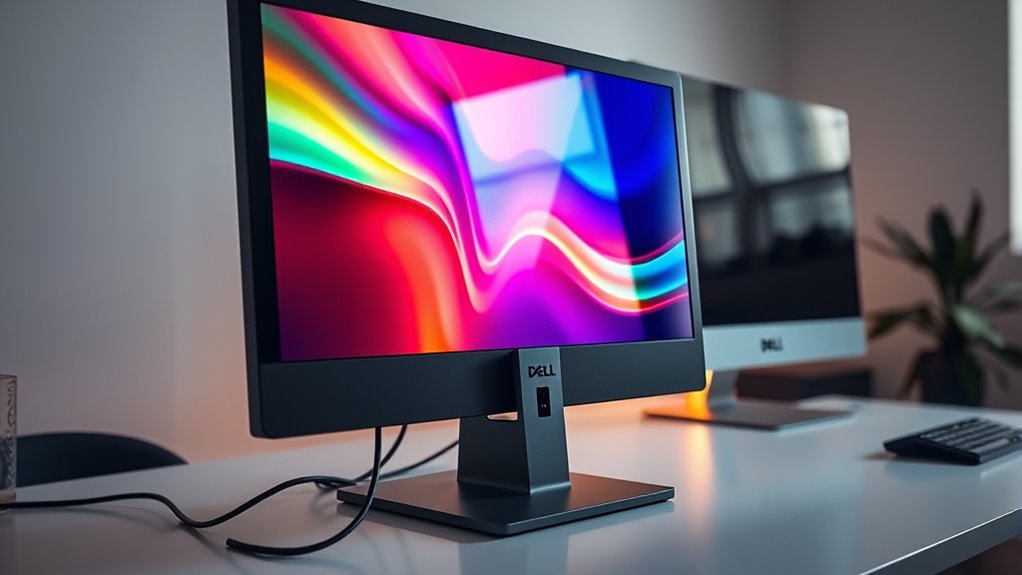

Yes, you can connect your Dellsharp to another monitor. Gather the necessary cables like HDMI or DisplayPort, ensuring they’re the right length and type. Securely connect the Dellsharp to the monitor and configure your display settings to match the resolution. Adjust the display mode according to your needs, whether you want to duplicate or extend your screen. If you’re facing any issues, troubleshooting tips can help resolve common connection problems and optimize your setup.
Understanding Your Dellsharp Model
When you’re looking to connect your Dellsharp model to another monitor, it’s essential to understand the specific features and capabilities of your device. Start by examining the Dellsharp specifications, which include resolution, refresh rate, and connectivity options. These elements determine how well your model works with external displays. Familiarizing yourself with Dellsharp features like adaptive sync, color accuracy, and multiple display modes can help you make the most of your setup. Knowing whether your model supports HDMI, DisplayPort, or VGA connections will also streamline the process. Ultimately, having a solid grasp of your Dellsharp’s capabilities empowers you to create a flexible and efficient workspace, allowing you to enjoy the freedom of multitasking with ease.
Required Cables and Adapters
To successfully connect your Dellsharp to another monitor, you’ll need the right cables and adapters based on your device’s specifications. Start by identifying the cable types supported by both your Dellsharp and the monitor. Common options include HDMI, DisplayPort, and VGA. Ascertain that the cable you choose matches the ports on both devices. If your Dellsharp has a different port than the monitor, you’ll need an adapter for compatibility. For instance, if you have an HDMI output on your Dellsharp but your monitor only accepts DisplayPort, an HDMI to DisplayPort adapter will be necessary. Always double-check the specifications to guarantee a seamless connection and enjoy the freedom of an extended display without hassle.
Connecting the Dellsharp to Another Monitor
To connect your Dellsharp to another monitor, you’ll need the right cables and adapters based on the ports available on both devices. Once everything’s connected, you’ll want to configure your display settings to guarantee the best performance. Let’s walk through these steps to get your setup just right.
Required Cables and Adapters
Before you connect your Dellsharp to another monitor, it’s essential to gather the right cables and adapters for a seamless experience. Start by determining the cable types your Dellsharp and the monitor require. Common options include HDMI, DisplayPort, and VGA. Confirm you have the correct length to reach between devices without strain.
Next, check adapter compatibility. If your Dellsharp has a different output than your monitor’s input, you may need an adapter, like HDMI to VGA. Always verify that the adapter supports the resolution you want to achieve. By preparing these items in advance, you’ll set yourself up for an easy connection, allowing for an expanded workspace or enhanced viewing experience.
Display Settings Configuration
Once you’ve connected your Dellsharp to another monitor, it’s crucial to configure the display settings for ideal performance. This step guarantees you get the best display performance and screen resolution that suits your needs. Here’s what you should do:
- Adjust the screen resolution to match the monitor’s native resolution for clarity.
- Set the display mode (duplicate or extend) based on how you want to use both screens.
- Tweak the color settings and brightness for a comfortable viewing experience.
Adjusting Display Settings
Adjusting display settings is essential for optimizing your viewing experience when connecting the Dellsharp to another monitor. Start by right-clicking on your desktop and selecting “Display settings.” Here, you’ll see options to change the display resolution and refresh rate. Make certain the resolution matches the native setting of your Dellsharp for the best clarity. If you’re using a high-refresh-rate monitor, adjust the refresh rate accordingly to guarantee smooth visuals. Experimenting with these settings can enhance your productivity and enjoyment, whether you’re gaming or working. Don’t forget to apply the changes and check how they look on both screens. Taking the time to fine-tune these settings gives you the freedom to create a customized workspace tailored to your preferences.
Troubleshooting Common Connection Issues
If you’re experiencing issues when connecting the Dellsharp to another monitor, it’s important to troubleshoot the problem systematically. Start by checking the basics; connection types and monitor compatibility can often be the culprits. Here’s a quick checklist to guide you:
- Make certain the cables are securely connected and undamaged.
- Verify that the monitor is powered on and set to the correct input source.
- Check your Dellsharp’s display settings to confirm it recognizes the second monitor.
Tips for Optimizing Your Dual-Screen Setup
To get the most out of your dual-screen setup, you’ll want to pay attention to a few key settings. Adjusting your display arrangement, calibrating colors for consistency, and customizing your taskbar can greatly enhance your productivity. Let’s explore these tips to optimize your experience.
Display Arrangement Settings
While optimizing your dual-screen setup, the display arrangement settings play an essential role in guaranteeing a seamless workflow. You’ll want to adjust these settings for the best experience. Here are some tips to reflect on:
- Display Resolution: Verify both monitors have compatible resolutions for a smooth visual shift.
- Monitor Orientation: Decide if you prefer landscape or portrait mode for each screen based on your tasks.
- Positioning: Physically arrange the monitors to match the virtual setup, preventing confusion when moving the cursor.
Color Calibration Tips
After setting up your display arrangement, the next step is color calibration to confirm both monitors display consistent colors. Start by adjusting the color temperature on each monitor. Aim for a neutral white point, usually around 6500K, to confirm colors appear natural. Next, tweak the gamma settings, which control the brightness and contrast of your displays. A common gamma value is 2.2, but you can adjust it based on your preference and lighting conditions. Use calibration tools or software for precision; they can help you achieve a more accurate color match between screens. Regularly check your settings, especially if you frequently change lighting in your workspace. A well-calibrated dual-screen setup enhances your visual experience, making it truly enjoyable.
Taskbar Customization Options
Customizing your taskbar across multiple monitors can greatly enhance your workflow. With the right adjustments, you can create a seamless experience that caters to your needs. Here are some tips to optimize your dual-screen setup:
- Taskbar alignment options: Choose to display the taskbar on one monitor or both, depending on your preference for accessibility.
- Taskbar visibility settings: You can set it to auto-hide or stay visible, allowing for a clutter-free workspace when needed.
- Icon organization: Arrange your icons logically, grouping similar programs together for quick access.
Frequently Asked Questions
Can I Use Wireless Connections for Dual Monitors?
Yes, you can use wireless technology for dual display setups. Many modern monitors and laptops support wireless connections like Miracast or WiDi, allowing you to create a flexible workspace without the hassle of cables.
Are There Specific Monitor Brands Compatible With Dellsharp?
You don’t need specific brands; just guarantee the monitors meet compatible specifications. Check their display settings to optimize performance. Most modern monitors work well together, giving you the freedom to choose based on your preferences.
Does Connecting a Second Monitor Affect Performance?
Yes, connecting a second monitor can affect performance, especially during gaming. You might notice a slight performance impact due to increased graphics processing demands, but it often enhances your overall gaming experience with more screen space.
Can I Connect Multiple Monitors to Dellsharp Simultaneously?
Yes, you can connect multiple monitors to your Dellsharp for a multi monitor setup. Just verify your display configuration supports it, and you’ll enjoy increased screen real estate for multitasking and enhanced productivity.
What Resolutions Can I Expect When Using Dual Monitors?
In a world of pixels, when using dual displays, you can typically expect resolutions ranging from 1080p to 4K. Adjust the resolution settings for each monitor to achieve peak clarity and performance tailored to your needs.
