
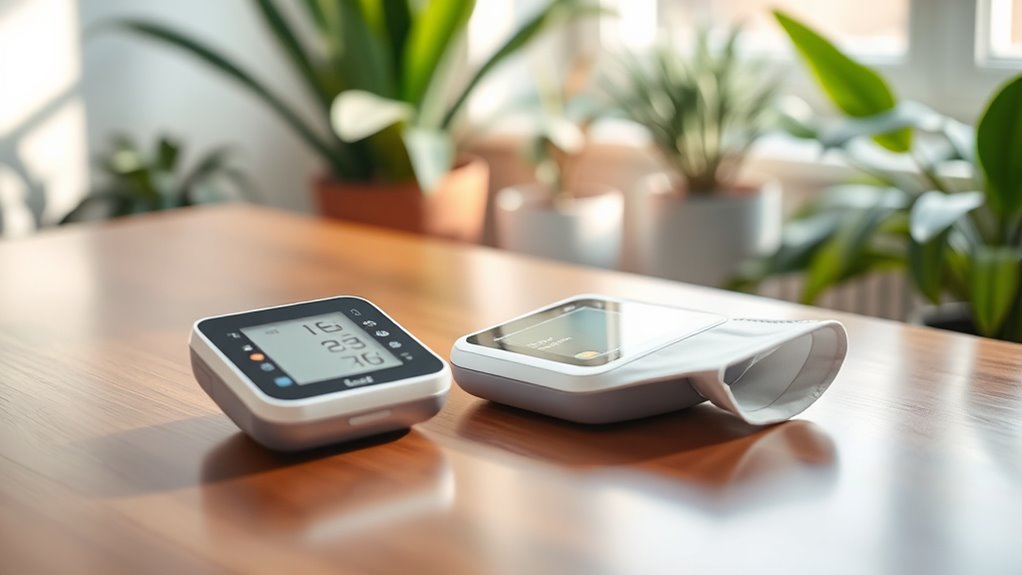

To calibrate your blood pressure monitor, first verify it’s powered on and check the manufacturer’s calibration frequency. You’ll need a sphygmomanometer as a reference. Inflate the calibration cuff to a set level, slowly release pressure, and compare readings with the sphygmomanometer. Document any discrepancies and adjustments. Regular maintenance, like cleaning and battery checks, is essential for peak performance. If issues persist, professional help may be needed. There’s more you can learn about maintaining accuracy.
Understanding the Importance of Calibration
Calibration is essential for ensuring the accuracy and reliability of your blood pressure monitor, as even slight deviations can lead to misdiagnosis or improper treatment. Understanding calibration significance allows you to maintain accuracy assurance, which is vital for effective health management. Without proper calibration, your readings may not reflect your true blood pressure, possibly leading to unnecessary anxiety or inadequate medical responses. Regularly calibrating your device helps identify any discrepancies, ensuring that your monitor provides precise measurements. This process empowers you to make informed decisions about your health, ultimately contributing to better outcomes. By prioritizing calibration, you’re taking an important step toward maintaining your well-being and achieving the freedom to manage your health effectively.
Gather Necessary Tools and Materials
To guarantee accurate calibration of your blood pressure monitor, gathering the right tools and materials is key. You’ll need a few essential calibration tools to ascertain measurement accuracy. Here’s a quick list to help you prepare:
| Tool/Material | Purpose |
|---|---|
| Sphygmomanometer | Reference for pressure readings |
| Calibration cuff | For testing monitor accuracy |
| Stethoscope | To listen for heart sounds |
| Alcohol wipes | For cleaning equipment |
Having these items on hand will streamline the calibration process. Remember, the quality of your tools directly impacts the overall measurement accuracy. So, take the time to verify you’ve got everything you need before proceeding with the calibration steps.
Step-by-Step Calibration Process
Begin the calibration process by verifying your blood pressure monitor is powered on and ready for use. Next, check the calibration frequency recommended by the manufacturer; this often varies. Use a calibrated reference device, like a sphygmomanometer, to compare readings. Inflate the cuff to a predetermined level, then slowly release pressure while noting the readings on both devices. Make necessary pressure adjustments to align your monitor’s readings with the reference device. Repeat this process multiple times to confirm accuracy. Finally, document the calibration results, including any adjustments made, to verify consistency. Regularly calibrating your monitor enhances its reliability, allowing you to maintain an accurate assessment of your blood pressure over time.
Regular Maintenance Tips for Your Monitor
After confirming your blood pressure monitor is properly calibrated, regular maintenance is essential for its continued accuracy and functionality. To enhance monitor longevity, clean the device regularly with a soft, damp cloth. Avoid exposing it to extreme temperatures or humidity, as these conditions can affect pressure accuracy. Check the batteries periodically and replace them as needed to guarantee reliable performance. Store the monitor in a protective case when not in use to prevent damage. Additionally, follow the manufacturer’s guidelines for any recommended servicing or calibration intervals. By adhering to these maintenance tips, you’ll help guarantee that your blood pressure monitor remains a trusted tool for monitoring your health effectively and efficiently.
When to Seek Professional Help
How can you tell when it’s time to seek professional help for your blood pressure monitor? If you notice persistent discrepancies in readings, such as a consistent difference of 10 mmHg or more from your healthcare provider’s measurements, it’s essential to act. Additional signs requiring assistance include erratic display messages or failure to power on. If your monitor’s performance seems unreliable, don’t hesitate to consult healthcare professionals for advice or service. They can offer guidance on recalibration or recommend a replacement if necessary. Remember, accurate blood pressure monitoring is critical for managing your health, so make sure your device functions at its best. Being proactive about issues can help you maintain control over your well-being.
Frequently Asked Questions
How Often Should I Calibrate My Blood Pressure Monitor?
How often do you think you should verify your blood pressure monitor’s accuracy? For ideal monitoring accuracy, calibrate it every six months or as recommended by the manufacturer. Regular calibration frequency is essential for reliable readings.
Can I Calibrate My Monitor Without Professional Help?
Yes, you can perform home calibration for your monitor. To guarantee accuracy, compare its readings with a professionally calibrated device, adjusting as necessary. Regular checks help maintain monitor accuracy, empowering you to manage your health effectively.
What Are Signs My Monitor Needs Calibration?
If your monitor’s readings start resembling a wavering flame, flickering unpredictably, it might signal a need for calibration. Monitor accuracy is essential; without it, the importance of precise measurements can lead you astray in your health journey.
Are There Specific Brands That Require Special Calibration Methods?
Yes, some brands may require specific calibration methods based on their reliability and design. It’s essential to consult the manufacturer’s guidelines regarding calibration frequency to guarantee accurate readings and maintain monitor performance effectively.
Is Calibration Different for Digital and Manual Monitors?
Calibration differs between digital and manual monitors. Digital accuracy relies on electronic components, while manual precision depends on your technique. Understanding these differences guarantees you achieve reliable readings and maintain ideal blood pressure monitoring practices.
