
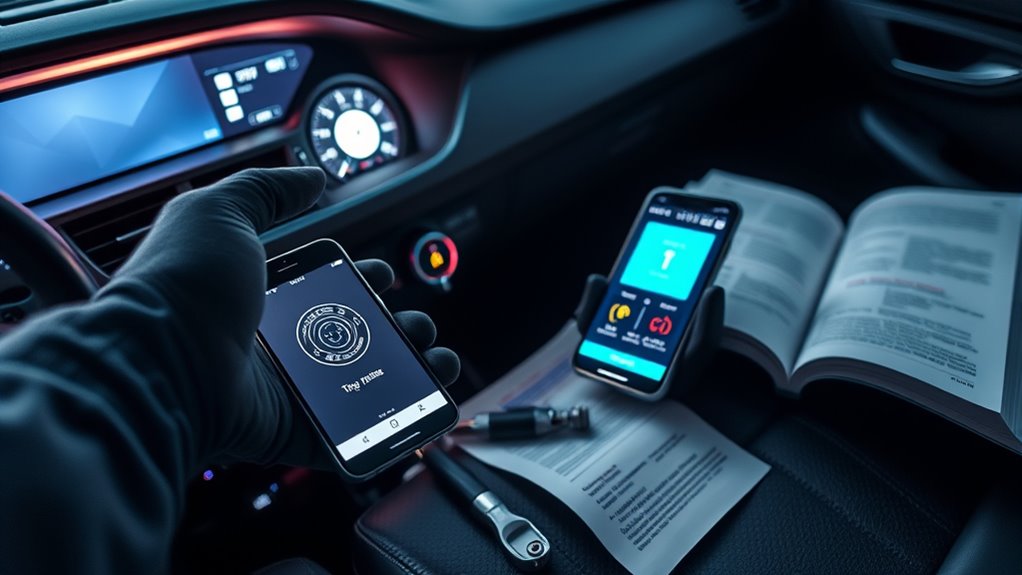

To fix the Service Tire Monitor System (TPMS), start by checking your tire pressure with a reliable gauge, adjusting to the recommended levels. Inspect the sensors for damage and verify they’re functioning properly. If issues persist, try resetting the system using the reset button after inflating the tires. If that doesn’t resolve the problem, consider replacing faulty sensors. Understanding these steps can improve your TPMS experience—discover more details to enhance your vehicle’s safety and performance.
Understanding the Tire Pressure Monitoring System (TPMS)
Although you might not think about it often, the Tire Pressure Monitoring System (TPMS) plays an important role in vehicle safety and performance. This system continuously monitors the air pressure in your tires, alerting you when it falls below ideal levels. Proper tire maintenance is essential, as under-inflated tires can compromise handling, fuel efficiency, and tire longevity. When your TPMS signals low pressure, it’s critical to perform pressure calibration immediately. This involves checking each tire and adjusting the pressure to the manufacturer’s specifications. Regular checks not only enhance safety but also empower your driving experience. By understanding TPMS, you’re ensuring your vehicle operates efficiently, giving you the freedom to travel confidently without undue risks.
Common Causes of the Service Tire Monitor System Warning
When you see the Service Tire Monitor System warning, it often indicates low tire pressure or sensor malfunction issues. Low tire pressure can lead to inaccurate readings, while a faulty sensor may fail to detect proper tire conditions. Addressing these common causes is essential for maintaining vehicle safety and performance.
Low Tire Pressure
Low tire pressure is one of the most common triggers for the Service Tire Monitor System warning light. When your tire pressure drops below the manufacturer’s recommended level, the system detects this change and alerts you. Factors like temperature fluctuations, natural air seepage, or even a slow leak can contribute to low tire pressure. Driving on under-inflated tires can lead to decreased fuel efficiency, uneven tire wear, and compromised safety. To address this issue, regularly check your tire pressure, especially before long trips. If you notice the warning light illuminated, take immediate action to inflate your tires to the recommended pressure. Ignoring this warning can lead to serious complications, so keep your tires properly inflated for peak performance and safety.
Sensor Malfunction Issues
If your Service Tire Monitor System (STMS) warning light is illuminated, it might not always be due to low tire pressure; sometimes, the issue lies with the sensors themselves. There are two main sensor types: direct and indirect. Direct sensors measure tire pressure directly, while indirect sensors rely on wheel speed data. Common causes of sensor malfunctions include dead batteries, damaged sensors, or poor connections. To address these issues, you can follow specific troubleshooting procedures. First, inspect the sensor connections and wiring for damage. Next, check the battery life of direct sensors. Finally, utilize your vehicle’s diagnostic tool to identify any error codes associated with the STMS. Taking these steps can help you pinpoint and resolve sensor-related issues effectively.
Checking Tire Pressure
Before proceeding with any troubleshooting steps for the Service Tire Monitor System, it’s vital to check your tire pressure, as improper inflation can trigger warning alerts. Start by gathering a reliable tire pressure gauge. Confirm your tires are cold for an accurate reading. Locate the recommended tire pressure, typically found on a sticker inside the driver’s door or in your owner’s manual. Measure each tire’s pressure and compare it to the recommended levels. If any tire is under-inflated or over-inflated, adjust accordingly. Regular tire maintenance, including pressure checks, not only enhances safety but also improves fuel efficiency and extends tire life. Keeping your tires properly inflated is a simple yet essential step in maintaining your vehicle’s performance.
Inspecting the TPMS Sensors
Although checking tire pressure is essential, inspecting the Tire Pressure Monitoring System (TPMS) sensors is equally important for guaranteeing the system functions correctly. Start by identifying the sensor types, which can be indirect or direct. Direct sensors are mounted on the valve stem, while indirect sensors rely on wheel speed to estimate tire pressure. Utilize diagnostic tools to read sensor data and check for any fault codes. Confirm that the sensors are free from damage, corrosion, or debris, as these can affect performance. If your vehicle’s TPMS light remains illuminated after confirming proper tire pressure, it may indicate a malfunctioning sensor. Regular inspection of these components helps maintain peak tire performance and safety, giving you the freedom to drive worry-free.
Resetting the Tire Pressure Monitoring System
Resetting your Tire Pressure Monitoring System (TPMS) is essential for accurate tire pressure readings. You’ll need to understand the system’s functionality and follow specific steps to reset it correctly. Additionally, be aware of common issues that may arise during the resetting process to guarantee a smooth experience.
Understanding Tire Monitor System
The Tire Pressure Monitoring System (TPMS) is a critical component of modern vehicles, designed to alert you when tire pressure falls below a safe threshold. This monitoring technology enhances tire safety by providing real-time data, allowing you to maintain peak tire performance and fuel efficiency. If your TPMS warning light activates, it indicates an issue that needs your attention, whether it’s low tire pressure or a malfunctioning sensor. Understanding how your TPMS works empowers you to make informed decisions about your vehicle’s maintenance. Regularly checking tire pressure and being aware of your system’s status can prevent accidents and extend tire life. Staying proactive guarantees you’re not only safe on the road but also fully in control of your driving experience.
Steps to Reset System
To reset your Tire Pressure Monitoring System (TPMS), you’ll typically follow a straightforward process that varies slightly by vehicle make and model. Proper tire maintenance is vital for safety, so it’s important to verify your system is functioning correctly. Here are the steps you should take:
- Check the tire pressures and inflate them to the recommended levels.
- Locate the TPMS reset button, usually found under the steering wheel or in the glove compartment.
- Turn on the ignition without starting the engine, then press and hold the reset button until the TPMS indicator blinks three times.
- Release the button and start your vehicle to complete the reset.
Engaging in these steps aids in effective system troubleshooting, confirming your TPMS operates at its best for your safety and driving freedom.
Common Resetting Issues
While attempting to reset your Tire Pressure Monitoring System (TPMS), you might encounter several common issues that can hinder the process. One frequent problem is a low battery in the TPMS sensor, which can prevent proper communication with the vehicle’s system. Another issue might arise from incorrect resetting techniques; verify you’re following the specific method for your vehicle make and model. Additionally, if you’ve recently changed a tire or rotated them, the system might not recognize the new positions. Using the right troubleshooting tips, like checking for any fault codes and confirming all tires are inflated to the recommended pressure, can greatly ease the resetting process. Always consult your vehicle’s manual for the most accurate guidance.
Replacing Faulty Sensors
If you’ve determined that your service tire monitor system is malfunctioning due to faulty sensors, replacing them is essential for restoring proper functionality. There are various sensor types, including direct and indirect systems, each requiring specific installation procedures.
Here’s what you need to take into account:
Consider key factors such as identifying the faulty sensor and following precise installation instructions for optimal results.
- Identify the faulty sensor through diagnostics.
- Purchase the correct sensor type compatible with your vehicle.
- Follow precise sensor installation instructions to guarantee proper fit and function.
- Test the system after installation to confirm that the issue is resolved.
Professional Diagnostic Services
When your tire monitor system issues persist despite replacing faulty sensors, seeking professional diagnostic services can provide the expertise needed to pinpoint deeper problems. Certified technicians utilize advanced diagnostic tools to analyze your vehicle’s systems thoroughly. They can identify issues beyond simple sensor failures, such as wiring faults or software glitches. Accurate tire calibration is essential for guaranteeing that your TPMS functions correctly; professionals can recalibrate your system to align with manufacturer specifications. This process not only rectifies existing problems but also helps prevent future malfunctions, giving you peace of mind on the road. By relying on specialists, you confirm that your vehicle’s safety features are fully operational, allowing you the freedom to drive with confidence.
Preventive Measures for TPMS Maintenance
To guarantee the longevity and reliability of your Tire Pressure Monitoring System (TPMS), implementing regular preventive measures is essential. By taking a proactive approach, you can avoid potential issues and ascertain safe driving. Here are some key actions you should consider:
Implementing regular preventive measures ensures your TPMS remains reliable and promotes safe driving.
- Schedule regular tire rotations to promote even wear and maintain accurate pressure readings.
- Check your tire pressure monthly to ascertain it’s within manufacturer specifications.
- Inspect the TPMS sensors during routine maintenance for any signs of wear or damage.
- Replace the TPMS batteries as needed, especially if your system indicates low battery levels.
Frequently Asked Questions
Can I Drive With the Service Tire Monitor System Warning On?
You shouldn’t drive with the service tire monitor system warning on. Ignoring warning indicators compromises tire safety, potentially leading to blowouts or accidents. It’s best to address the issue before hitting the road for freedom.
How Often Should I Check My Tire Pressure?
You should check your tire pressure at least once a month. Regular tire maintenance tips include relying on pressure monitoring systems, ensuring peak performance and safety while enjoying the freedom of the open road without worries.
Does Temperature Affect Tire Pressure Readings?
Yes, temperature affects tire pressure readings. As temperatures drop, tire pressure decreases, while warmer conditions can cause it to rise. Regular checks guarantee your tires maintain ideal pressure, giving you the freedom to drive confidently and safely.
Can I Use a Regular Tire Pressure Gauge?
You can use a regular tire pressure gauge, but verify its accuracy. A high-quality gauge provides precise readings, which is vital for maintaining ideal tire pressure and guaranteeing vehicle safety and performance. Regular checks are essential.
What Do I Do if the Warning Light Returns?
If the warning light returns, start troubleshooting the system. Check tire pressures, then reset the tire monitor. If issues persist, consider professional diagnostics to guarantee safety and proper functionality of your vehicle’s tire monitoring system.
