
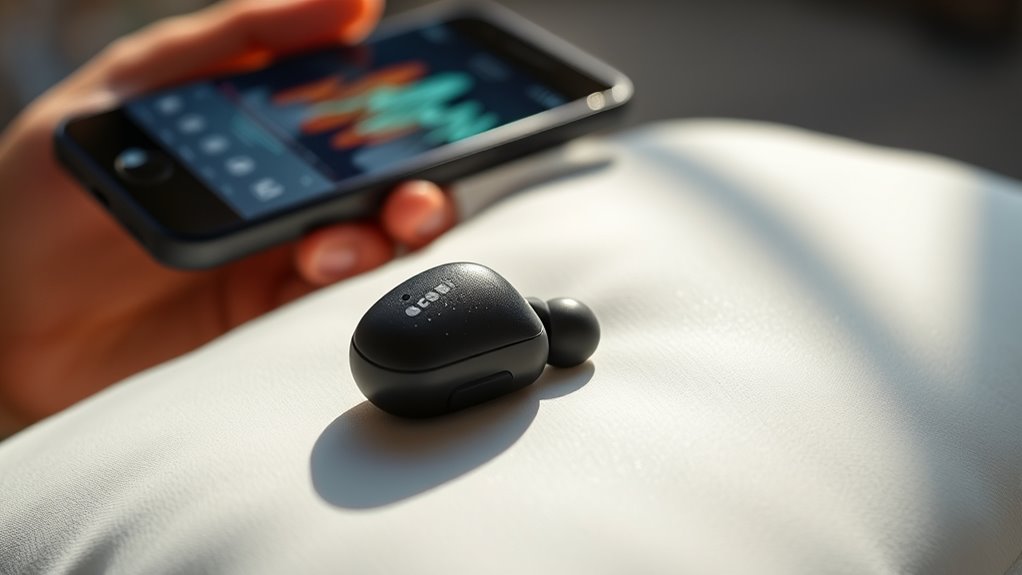

Using earbuds can potentially damage your ears, especially if you listen at high volumes. Sound levels above 85 decibels can lead to hearing loss and tinnitus. Prolonged use increases the risk of auditory issues. It’s important to monitor your volume levels and take regular breaks. Additionally, selecting comfortable earbuds with a secure fit can help protect your hearing. By understanding earbud technology and safe practices, you can enjoy music without compromising your ear health. More insights await.
Understanding Earbud Technology
While you might think of earbuds as simple audio devices, their technology is quite sophisticated. Understanding earbud anatomy reveals that these devices consist of several components, including drivers, housing, and ear tips. The drivers convert electrical signals into sound, while the housing protects these components and influences sound quality. Ear tips play an essential role in achieving sound isolation, which enhances your listening experience by blocking outside noise. This isolation allows you to enjoy audio at lower volumes, potentially preserving your auditory health. The design of earbuds varies widely, from in-ear to over-ear styles, each offering different levels of comfort and sound isolation. By grasping these elements, you can make informed choices that align with your desire for auditory freedom.
The Risks of Loud Volume Levels
How loud is too loud when it comes to earbuds? Listening to loud music through earbuds can pose significant risks to your hearing. Sound levels above 85 decibels (dB) are generally considered hazardous, especially when exposure lasts over an extended period. Your earbuds’ volume control is essential; consistently cranking up the volume to drown out background noise can accelerate hearing damage. The intensity of loud music can lead to temporary or permanent hearing loss, tinnitus, and other auditory issues. It’s important to monitor your listening habits and maintain a safe volume level to preserve your hearing health. Remember, you have the freedom to enjoy your tunes, but protecting your ears should always come first.
Signs of Hearing Damage
What should you look for when evaluating potential hearing damage from earbuds? First, pay attention to any tinnitus symptoms, such as ringing or buzzing in your ears, especially after using earbuds for extended periods. These sounds can be an early sign of auditory distress. Additionally, if you notice difficulty understanding conversations or hearing sounds at normal volumes, it could indicate hearing loss. You might also experience a sensation of fullness in your ears, or muffled hearing. It’s crucial to monitor these signs, as early detection can help prevent further damage. If you encounter any of these symptoms frequently, consider reducing your volume levels or taking breaks from using earbuds to protect your hearing health.
Safe Listening Practices
To protect your hearing while using earbuds, it’s crucial to adopt safe listening practices. You should keep the volume at 60% or lower to maintain sound quality while preventing potential damage. Take regular breaks every hour to give your ears a rest. Additionally, guarantee proper ear hygiene; clean your earbuds regularly and avoid sharing them.
Here’s a quick reference table for safe listening:
| Practice | Recommendation | Frequency |
|---|---|---|
| Volume Control | 60% max | Always |
| Listening Duration | 1 hour max | Every session |
| Earbud Cleaning | Wipe after use | Daily |
| Breaks | 5-10 minutes | Every hour |
| Ear Inspection | Check for discomfort | Weekly |
Choosing the Right Earbuds for Ear Health
When selecting earbuds, considering their design and fit is essential for maintaining ear health. Prioritize options that suit your lifestyle and comfort needs, as the right fit can greatly reduce the risk of ear damage. Look for quality earbud materials that are hypoallergenic and durable, ensuring a safe listening experience.
- Comfort can enhance your listening pleasure
- A secure fit means less volume needed
- Quality materials promote longevity and safety
- Personal freedom in sound enjoyment
Evaluate fit options, such as in-ear versus over-ear designs, to find what works best for you. By making informed choices, you can enjoy your music without compromising your ear health.
Frequently Asked Questions
Can Earbuds Cause Ear Infections?
Yes, earbuds can cause ear infections if proper earbud hygiene isn’t maintained. To prevent infections, regularly clean your earbuds and avoid sharing them. Keeping your ears dry and free from moisture also aids in infection prevention.
Do Different Earbud Types Affect Ear Health Differently?
Different earbud types can indeed affect your ear health. In-ear models may provide better noise isolation, reducing volume levels, while over-ear types can be more comfortable but might not isolate sound as effectively. Choose wisely!
How Often Should I Clean My Earbuds?
You should clean your earbuds at least once a week to maintain proper earbud hygiene. Regular cleaning helps prevent bacteria buildup, ensuring ideal performance and reducing potential discomfort or infection risks associated with dirty earbuds.
Can Using Earbuds Lead to Tinnitus?
Using earbuds can lead to tinnitus symptoms if you listen at high volumes for extended periods. To prevent this, practice strategies like keeping the volume low, taking breaks, and choosing noise-canceling options to reduce exposure.
Are Wireless Earbuds Safer Than Wired Ones?
Wireless earbuds aren’t inherently safer than wired ones; sound quality can vary, and battery life may limit usage. Prioritize volume control and duration to mitigate potential risks associated with both types, maintaining your auditory health.

[…] any history: prior vertigo, migraines, allergies/ETD, ear infections, earwax […]