


If you’re wondering whether you can toss your old television into a dumpster, the answer is generally no. Many locations have specific regulations regarding electronic waste, including TVs, due to their hazardous materials. Disposing of TVs in dumpsters can lead to legal repercussions and environmental hazards. In this article, we’ll explore the rules surrounding disposing of TVs and offer alternatives for responsible disposal.
Understanding Local Regulations
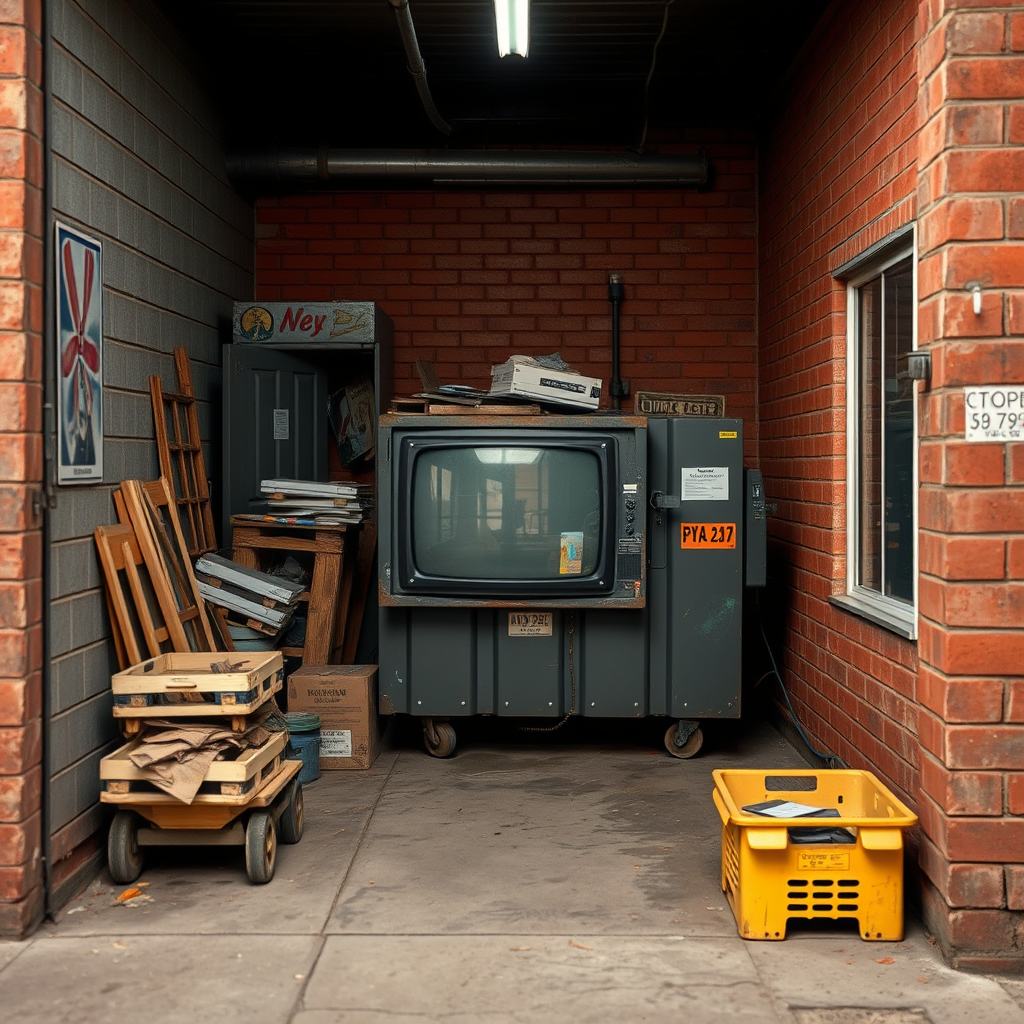
Many municipalities have strict laws against disposing of electronics in dumpsters. This is largely due to the environmental impact and health risks associated with electronic waste. For instance, states like California have enacted laws that prohibit dumping e-waste into landfills. Instead, they require residents to use designated e-waste recycling programs to ensure proper handling.
Violating these regulations can result in fines or penalties. In some areas, individuals caught disposing of TVs improperly may face fines ranging from $500 to $10,000, depending on the volume of waste and the specific laws in place. Therefore, it’s crucial to familiarize yourself with your local waste management policies to avoid unnecessary complications.
Environmental Impact of TVs
Televisions contain hazardous materials such as lead, mercury, and cadmium, which can leach into the environment if not disposed of properly. When TVs end up in landfills, these toxic substances can contaminate soil and groundwater, posing significant health risks to communities.
Proper disposal is essential to prevent pollution and protect community health. In fact, the Environmental Protection Agency (EPA) estimates that electronic waste, including TVs, contributes to a substantial percentage of heavy metals found in landfills. By following appropriate disposal methods, you not only comply with the law but also contribute to environmental sustainability.
Alternatives to Throwing Away Your TV
Instead of discarding your old TV in a dumpster, consider several responsible alternatives:
– Donation: If your television is still in working condition, donating it to local charities, schools, or shelters can be a great way to extend its life. Many organizations accept functional TVs and will even pick them up from your location.
– Recycling Programs: Many local governments and private companies offer recycling programs specifically for electronics. These programs ensure that your TV is dismantled and recycled correctly, minimizing environmental impact.
– Sell or Trade-In: Platforms like eBay, Craigslist, or local classified ads can be excellent places to sell your old TV. Additionally, some retailers offer trade-in programs that provide store credits for old electronics when you purchase a new TV.
Top 7 U.S. States with E-Waste Recycling Programs (2024)
| # | State | E-Waste Recycling Facilities | Legislation | Public Awareness Programs |
|---|---|---|---|---|
| 1 | California | 150 | YES | High |
| 2 | Texas | 80 | YES | Moderate |
| 3 | New York | 70 | YES | High |
| 4 | Florida | 60 | YES | Moderate |
| 5 | Illinois | 40 | YES | Low |
| 6 | Ohio | 30 | YES | Moderate |
| 7 | Massachusetts | 25 | YES | Low |
How to Recycle Your TV
Recycling your TV is an environmentally responsible way to dispose of it. Here are steps to guide you through the recycling process:
1. Research Local E-Waste Recycling Centers: Look for certified e-waste recycling facilities in your area. Websites like Earth911 can help you find appropriate locations based on your zip code.
2. Retailer Take-Back Programs: Many electronics retailers and manufacturers offer take-back programs, especially when you purchase a new television. These programs often allow you to return your old TV for responsible recycling.
3. Community Collection Events: Some communities hold special collection events for e-waste, typically during Earth Day or other environmental awareness campaigns. Check your local government’s website for upcoming events.
Preparing Your TV for Disposal
Before disposing of your TV, it’s essential to prepare it properly. Here are some tips:
– Unplug the TV: Ensure that your television is disconnected from any power sources to prevent electrical hazards during transport.
– Transport Safely: Use appropriate packaging or padding to prevent damage during transit. If possible, keep the original box and packaging for protection.
– Remove Accessories: Take off any cables, remotes, or accessories that can be reused or recycled separately. Many of these items can be donated or recycled through different programs.
What to Do with a Broken TV
If your TV is broken, you still have several options:
– Manufacturer Take-Back Programs: Many manufacturers offer programs to take back defective units. Check the brand’s website for information on how to return a broken TV for recycling or repair.
– Local Repair Shops: Some repair shops might be able to fix your TV or repurpose parts. Even if the device cannot be repaired, they may accept it for parts recycling.
Cost Considerations for Disposal
When considering disposal methods, keep in mind potential costs:
– Recycling Fees: Some recycling services may charge a fee for disposing of your TV. This fee can vary significantly based on location and the type of service provided. For instance, costs can range from $10 to $50.
– Fines for Illegal Dumping: Weigh the costs of disposal against the potential fines for illegal dumping. As mentioned earlier, fines can be substantial, making it far more economical in the long run to use proper disposal methods.
Responsible disposal of televisions is crucial for the environment and is often mandated by local laws. If you have an old TV, take the time to find a suitable disposal method that adheres to regulations and contributes positively to your community. Always prioritize recycling or donating whenever possible. By doing so, you help protect the environment, comply with local laws, and potentially provide value to others.
Frequently Asked Questions
Can you legally put a TV in a dumpster?
Legally, you cannot put a TV in a dumpster due to environmental regulations and local laws regarding electronic waste disposal. Most municipalities classify TVs as hazardous waste because they contain toxic materials, which means they require special disposal methods. It’s essential to check your local waste management guidelines for proper disposal options.
What should I do with an old TV instead of dumping it?
Instead of putting an old TV in a dumpster, consider recycling it through a certified e-waste recycling facility. Many retailers and local governments offer take-back programs or special recycling events for electronics. Alternatively, you can donate a working TV to charities or sell it through online platforms to extend its life.
How can I dispose of a broken TV responsibly?
To dispose of a broken TV responsibly, start by checking if your local waste management facility offers e-waste recycling services. You may also contact the manufacturer for a take-back program or schedule a pickup with a specialized electronic waste disposal service. This ensures that hazardous materials are handled correctly and reduces environmental impact.
Why is it important to recycle old televisions?
Recycling old televisions is crucial because they contain harmful substances like lead and mercury that can pollute the environment if not disposed of properly. Additionally, recycling helps recover valuable materials such as glass and metals, reducing the need for new raw materials and minimizing landfill waste. By recycling, you contribute to a more sustainable and eco-friendly future.
Which types of TVs can be recycled?
Most types of TVs, including CRTs (Cathode Ray Tubes), LCDs, and plasma models, can be recycled at designated e-waste facilities. However, it’s important to verify with your local recycling center, as guidelines may vary. Always ensure that the facility is certified to handle electronic waste and follows proper recycling protocols for safe disposal.
References
- Electronics Donation and Recycling | US EPA
https://www.epa.gov/recycle/electronics-donation-and-recycling - https://www.bbc.com/news/technology-57806482
https://www.bbc.com/news/technology-57806482 - https://www.nytimes.com/2020/07/17/climate/electronics-recycling.html
https://www.nytimes.com/2020/07/17/climate/electronics-recycling.html - https://www.sciencedirect.com/science/article/pii/S0140988320301076
https://www.sciencedirect.com/science/article/pii/S0140988320301076 - https://www.ncbi.nlm.nih.gov/pmc/articles/PMC7850479/
https://www.ncbi.nlm.nih.gov/pmc/articles/PMC7850479/ - Google Scholar Google Scholar
https://scholar.google.com/scholar?q=can+you+put+a+tv+in+a+dumpster - Google Scholar Google Scholar
https://scholar.google.com/scholar?q=e-waste+recycling - Google Scholar Google Scholar
https://scholar.google.com/scholar?q=electronics+disposal+guidelines - can you put a tv in a dumpster – Search results
https://en.wikipedia.org/wiki/Special:Search?search=can+you+put+a+tv+in+a+dumpster - https://www.ncbi.nlm.nih.gov/search/research-articles/?term=can+you+put+a+tv+in+a+dumpster
https://www.ncbi.nlm.nih.gov/search/research-articles/?term=can+you+put+a+tv+in+a+dumpster
