


While it might be tempting to toss your old TV in a dumpster, the answer is usually no. Many areas have strict regulations regarding the disposal of electronic waste, including televisions. Disposing of your old TV improperly can lead to environmental damage and legal repercussions. In this article, you’ll learn about proper disposal methods, local laws, and environmentally friendly options for disposing of your old TV.
Understanding Electronic Waste Regulations
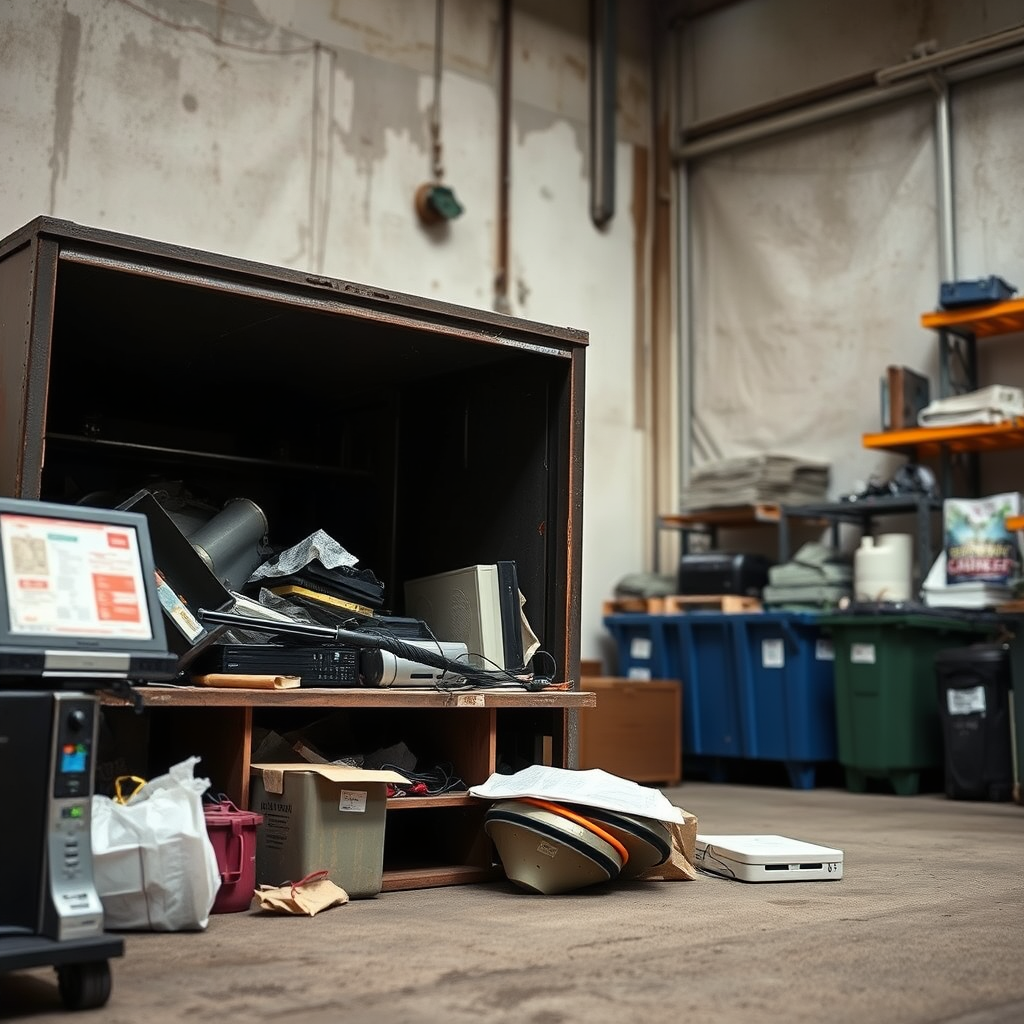
Disposing of electronic waste, or e-waste, is subject to a complex web of regulations that vary by state and locality. Many states have implemented laws that prohibit the disposal of electronics in landfills to protect the environment. For instance, California has a statewide ban on disposing of most electronic devices, including TVs, in landfills. Similarly, states like New York and Massachusetts have enacted laws that require the recycling of electronic waste.
Violating these laws can result in significant fines and penalties. For example, in some jurisdictions, individuals caught improperly disposing of e-waste may face fines ranging from $500 to $5,000 per violation. Therefore, it is crucial to be aware of your local regulations to ensure compliance and avoid unnecessary legal trouble.
Risks of Dumping a TV in a Dumpster
Dumping a TV in a dumpster poses several environmental risks. Televisions contain hazardous materials such as lead, mercury, and cadmium. When a TV is broken or crushed, these materials can leach into the soil and groundwater, leading to contamination that poses serious health risks to humans and wildlife alike.
Moreover, e-waste is one of the fastest-growing waste streams globally. According to the Global E-Waste Monitor 2020, an estimated 53.6 million metric tons of e-waste was generated in 2019, with only 17.4% being recycled. This not only contributes to a growing waste problem but also results in the loss of valuable materials that could be reused or recycled.
Legal Alternatives to Dumping
Rather than throwing your old TV in a dumpster, consider exploring legal alternatives that comply with local e-waste regulations. Many municipalities have established e-waste recycling programs that accept TVs and other electronic devices. These programs ensure that e-waste is disposed of safely and responsibly.
Additionally, some local governments organize designated drop-off days for electronic waste, allowing residents to dispose of their old devices free of charge. Many retailers, such as Best Buy and Staples, also offer recycling services for electronics, often providing incentives like store credits for customers who recycle their old devices.
Top 7 E-Waste Recycling Programs in the U.S. (2023)
| # | Program Name | Location | Cost | Materials Accepted |
|---|---|---|---|---|
| 1 | eWaste Recycling | California | Free | TVs, computers, batteries |
| 2 | GreenCitizen | California | Free | TVs, monitors, phones |
| 3 | Best Buy | Nationwide | Free | TVs, appliances, computers |
| 4 | Recycle Your Electronics | New York | Free | TVs, laptops, printers |
| 5 | Call2Recycle | Nationwide | Free | Batteries, phones, tablets |
| 6 | Earth911 | Nationwide | Free | TVs, electronics, appliances |
| 7 | Local Drop-off Events | Various | Free | TVs, electronics, batteries |
Donation Options for Old TVs
If your old TV is still in working condition, consider donating it to local charities, schools, or community centers. Many organizations are in constant need of functional electronics for educational and recreational purposes. For example, local schools may appreciate a working television for educational broadcasts or community centers could use it for recreational activities.
Additionally, some charities may even provide pick-up services for your donation, which can save you the hassle of transportation. Organizations like Goodwill or Habitat for Humanity are excellent places to start. They often have specific programs that accept electronic donations and can guide you on the process.
Professional Disposal Services
For those who prefer a hassle-free approach, hiring a professional disposal service can be an effective solution. Several companies specialize in e-waste removal and recycling, ensuring that your TV is handled responsibly. These services typically follow local regulations and provide environmentally safe disposal methods.
When selecting a service, look for companies that are certified by recognized organizations, such as the Responsible Recycling (R2) certification or the e-Stewards certification. These certifications ensure that the company adheres to strict environmental and safety standards in handling electronic waste.
Preparing Your TV for Disposal
Before disposing of your old TV, it’s essential to prepare it properly. Start by removing any accessories or cables, as these may need to be recycled separately. Ensure that the TV is securely packed if you plan to transport it for recycling or donation. This not only protects the device during transit but also ensures the safety of anyone handling it.
If the TV has significant damage or is non-functional, consider disclosing this information when donating or recycling to ensure that the receiving organization can handle it appropriately.
Environmental Impact of Proper Disposal
Proper disposal of electronic devices like TVs has a significant positive impact on the environment. Recycling helps recover valuable materials such as metals, glass, and plastics, which can be reused in the production of new electronics. This reduces the need for raw material extraction and conserves natural resources.
Furthermore, responsible disposal promotes a healthier environment by preventing hazardous materials from contaminating soil and water sources. A commitment to proper e-waste management fosters sustainability and ensures that future generations inherit a cleaner, safer planet.
In summary, the improper disposal of your old TV can have legal and environmental consequences. By exploring local e-waste recycling programs, donating functional devices, or utilizing professional disposal services, you can ensure that your electronic waste is handled responsibly. Take the proactive step towards responsible e-waste management today, and contribute to a healthier environment for future generations.
Frequently Asked Questions
Can I put a TV in a dumpster?
Generally, you should not put a TV in a dumpster due to environmental regulations and potential fines. Most municipalities have strict guidelines regarding electronic waste disposal, as TVs contain hazardous materials. Instead, consider recycling programs or designated e-waste drop-off locations in your area.
How do I dispose of a broken TV properly?
To dispose of a broken TV properly, check for local e-waste recycling programs or facilities that accept electronics. Many retailers offer take-back programs where you can return old electronics for responsible recycling. Always ensure you follow local laws to avoid fines and promote environmental safety.
Why is it illegal to throw a TV in the trash?
It is illegal to throw a TV in the trash in many areas because TVs contain toxic substances like lead and mercury, which can harm the environment if not disposed of correctly. Landfills are not equipped to handle hazardous materials, leading to potential soil and water contamination. Proper disposal through recycling helps mitigate these environmental risks.
What are the best options for recycling an old TV?
The best options for recycling an old TV include taking it to a certified e-waste recycling center or participating in local electronic collection events. Many municipalities offer special recycling days or drop-off locations. Additionally, check if your local electronics retailer provides recycling services when you purchase a new TV.
Which types of TVs can be recycled?
Most types of TVs, including CRTs, LCDs, and plasma models, can be recycled, but the recycling process may vary. It’s essential to verify with your local recycling facility as some may have specific requirements or limitations. Always ensure that the facility is certified for handling electronic waste to guarantee safe and responsible recycling.
References
- Electronics Donation and Recycling | US EPA
https://www.epa.gov/recycle/electronics-donation-and-recycling - https://www.wastewise.org/
https://www.wastewise.org/ - https://www.nyc.gov/site/sanitation/nyc-trash/electronic-waste-e-waste.page
https://www.nyc.gov/site/sanitation/nyc-trash/electronic-waste-e-waste.page - https://www.calrecycle.ca.gov/electronics/faq
https://www.calrecycle.ca.gov/electronics/faq - https://www.bbc.com/future/article/20210121-why-are-old-televisions-so-hard-to-recycle
https://www.bbc.com/future/article/20210121-why-are-old-televisions-so-hard-to-recycle - https://www.theguardian.com/environment/2020/nov/09/e-waste-recycling-what-to-do-with-your-old-tech
https://www.theguardian.com/environment/2020/nov/09/e-waste-recycling-what-to-do-with-your-old-tech - Google Scholar Google Scholar
https://scholar.google.com/scholar?q=disposing+of+electronics+responsibly - Google Scholar Google Scholar
https://scholar.google.com/scholar?q=tv+disposal+regulations - Google Scholar Google Scholar
https://scholar.google.com/scholar?q=e-waste+environmental+impact - Google Scholar Google Scholar
https://scholar.google.com/scholar?q=can+i+put+a+tv+in+a+dumpster
