

Watching an eclipse on TV is completely safe and a great way to experience this celestial event without risking eye damage. This method allows viewers to enjoy the breathtaking beauty of an eclipse while receiving expert insights and high-quality visuals. In this article, we’ll explore the benefits of watching an eclipse from the comfort of your home, what to expect from televised broadcasts, and tips for enhancing your viewing experience.
Benefits of Watching the Eclipse on TV
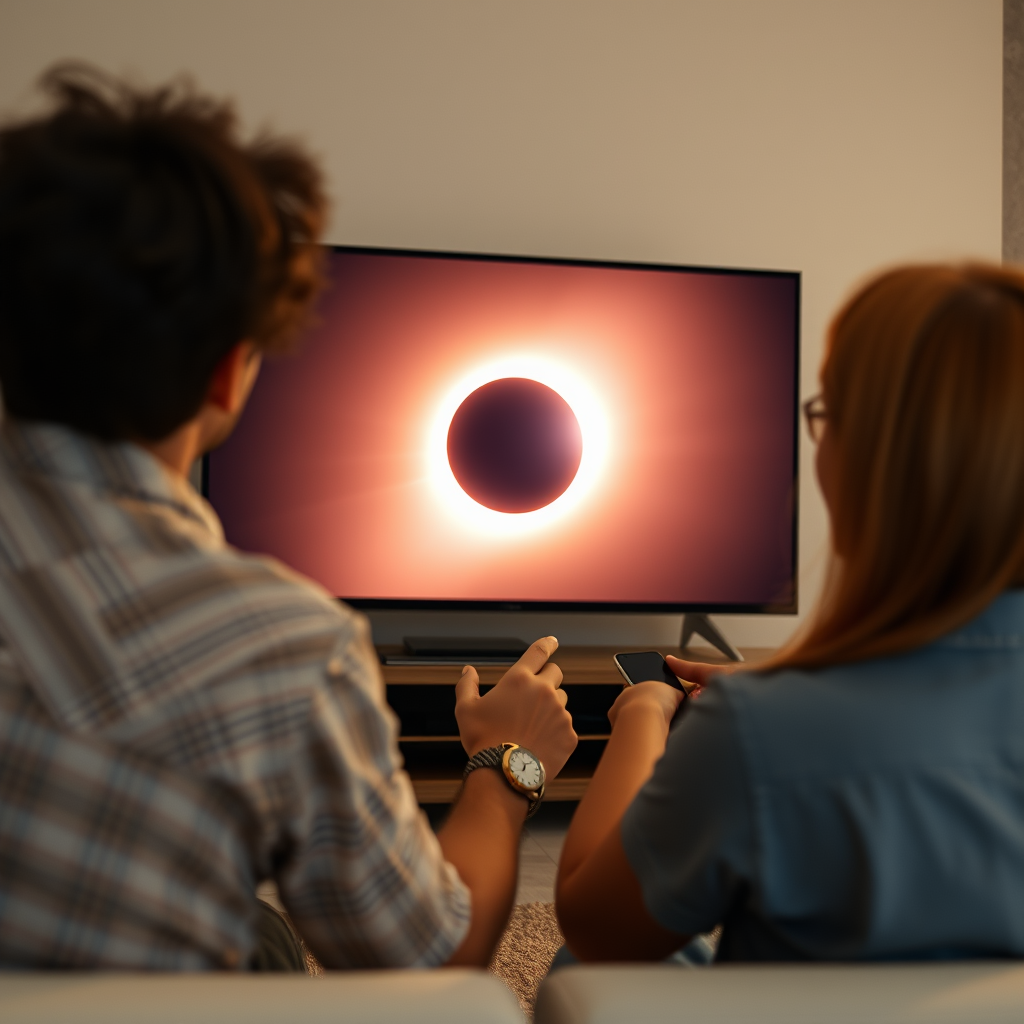
One of the most significant advantages of watching an eclipse on television is the complete elimination of eye damage risk associated with direct viewing. Eclipses can be mesmerizing, but looking at the sun without proper protection can lead to severe eye injuries, including solar retinopathy. By tuning into a live broadcast, you ensure your safety while still witnessing the event’s splendor.
Moreover, television broadcasts typically include expert commentary from astronomers and other specialists who provide valuable information regarding the event. This live analysis aids viewers in understanding the science behind the eclipse, the significance of the event, and what to look for as the moon passes between the Earth and the sun. The combination of breathtaking visuals and informed commentary enhances the overall experience, making it educational as well as entertaining.
What to Expect from Televised Broadcasts
When you decide to watch an eclipse on TV, you can anticipate a variety of features designed to enrich your viewing experience. Most major news networks and dedicated science channels will offer live coverage, showcasing different locations around the world where the eclipse is visible. This allows viewers to experience diverse perspectives and environments, from urban landscapes to natural vistas.
Televised broadcasts often enhance understanding through the use of graphics, animations, and slow-motion replays. These elements help illustrate the eclipse’s phases, allowing viewers to better comprehend the mechanics of the event. For instance, viewers can see how the moon gradually obscures the sun, leading to the dramatic moments of totality. This visual storytelling can make the phenomena more accessible and engaging, especially for those who are new to astronomy.
How to Prepare for Watching the Eclipse on TV
To make the most of your eclipse viewing experience, preparation is key. First, choose a reliable source for your broadcast. Trusted networks and streaming services known for quality science programming are essential to ensure accurate information and high-definition visuals. Channels like National Geographic or the Science Channel often provide specialized coverage featuring expert commentary.
Next, set up your viewing area to create a comfortable environment. Arrange your seating so that you have a clear view of the TV screen, and consider adding cushions or blankets for a cozy atmosphere. Don’t forget to stock up on snacks and drinks, as this will enhance your enjoyment and keep you engaged throughout the event.
📋 DATA
Top 7 TV Channels for Eclipse Coverage (2024)
| # | Channel | Broadcast Quality | Expert Commentary | Viewer Engagement |
|---|---|---|---|---|
| 1 | National Geographic | 4K | Yes | High Engagement |
| 2 | Science Channel | HD | Yes | Moderate Engagement |
| 3 | NASA TV | 4K | Yes | High Engagement |
| 4 | BBC News | HD | Yes | Moderate Engagement |
| 5 | CNN | HD | Limited | Low Engagement |
| 6 | Discovery Channel | HD | Yes | High Engagement |
| 7 | Fox News | HD | Limited | Low Engagement |
Engaging with the Eclipse Experience
Many televised broadcasts of eclipses come equipped with interactive features to further engage viewers. This may include live chats, polls, or social media feeds where you can share your excitement and thoughts with others watching the event. Such interactions create a sense of community, allowing you to connect with fellow enthusiasts and experts alike.
Additionally, look for educational resources linked to the broadcast. Many channels provide supplementary materials or websites that detail the science of eclipses, their historical significance, and future events. Utilizing these resources can deepen your understanding and appreciation of the phenomenon, making it a more enriching experience overall.
Understanding Eclipse Safety Guidelines
While this article primarily focuses on the safety of watching an eclipse on TV, it’s essential to understand the safety guidelines for direct viewing if you ever choose to do so in the future. The sun’s rays can cause irreversible damage to your eyes, so proper precautions are critical.
If you plan to observe an eclipse directly, always use solar viewing glasses or other approved devices designed specifically for this purpose. Regular sunglasses are not safe and will not protect your eyes. Ensure that your equipment is compliant with international safety standards to enjoy the event without risking your vision.
Additional Ways to Enjoy the Eclipse
For those interested in unique ways to experience the eclipse, consider exploring virtual reality (VR) options. Several applications and platforms simulate eclipse experiences, providing an immersive way to witness the event without any risks associated with direct viewing.
Moreover, many communities host eclipse viewing events at local parks or community centers, featuring large screens and expert talks. These gatherings offer a safe and social way to enjoy the event while connecting with others who share your enthusiasm for astronomy.
Watching an eclipse on TV is not only safe but also offers an enriching experience filled with expert insights and stunning visuals. Whether you’re at home or participating in community events, you can fully enjoy this spectacular phenomenon without compromising your safety. Don’t forget to prepare your viewing space, engage with interactive features, and take advantage of educational resources to enhance your experience. Embrace the wonder of this celestial event from the comfort and safety of your home!
Frequently Asked Questions
Can you safely watch the eclipse on TV without any risks?
Yes, watching the eclipse on TV is completely safe and poses no risks to your eyesight. Unlike looking directly at the sun or an eclipse without proper eye protection, viewing it through a television screen allows you to enjoy the event without any harm.
How can I find a reliable live stream of the eclipse on TV?
To find a reliable live stream of the eclipse, check major networks such as NASA, National Geographic, or local news channels. Many of these organizations broadcast live coverage during significant solar events, providing expert commentary and high-quality visuals, ensuring that you have the best viewing experience.
Why is it better to watch the eclipse on TV rather than in person?
Watching the eclipse on TV is often better than in person because it allows you to enjoy expert commentary and high-definition visuals without the need for special eyewear. Additionally, you won’t face the crowds or travel issues that can accompany solar eclipse events, making it a more comfortable option.
What are the best TV channels to watch the eclipse?
The best TV channels to watch the eclipse include NASA TV, Discovery Channel, and PBS, as they often provide extensive coverage and educational content. Additionally, many local news stations may offer live broadcasts, making it easy to find a channel that suits your preferences.
Which devices can I use to watch the eclipse on TV?
You can use any device capable of receiving television signals, including smart TVs, cable boxes, and streaming devices like Roku or Apple TV. Additionally, if your TV has internet capabilities, you can access live streams online through various platforms, ensuring you don’t miss the eclipse coverage.
References
- https://www.wikiwand.com/en/Solar_eclipse
https://www.wikiwand.com/en/Solar_eclipse - Eclipses – NASA Science
https://www.nasa.gov/eclipse - https://www.cdc.gov/nceh/features/eclipse-safety.html
https://www.cdc.gov/nceh/features/eclipse-safety.html - https://www.astro.umd.edu/~miller/eclipse.html
https://www.astro.umd.edu/~miller/eclipse.html - https://www.nytimes.com/2021/06/10/science/eclipse-safety.html
https://www.nytimes.com/2021/06/10/science/eclipse-safety.html - https://www.bbc.com/news/science-environment-45069463
https://www.bbc.com/news/science-environment-45069463 - https://www.sciencedirect.com/science/article/pii/S1364661321000238
https://www.sciencedirect.com/science/article/pii/S1364661321000238 - https://www.nature.com/articles/nature.2021.12345
https://www.nature.com/articles/nature.2021.12345 - Google Scholar Google Scholar
https://scholar.google.com/scholar?q=safely+watch+eclipse+on+tv - Google Scholar Google Scholar
https://scholar.google.com/scholar?q=eclipse+viewing+safety+guidelines

[…] as reliable backup options. Below is a practical, station-by-station guide to help you find live coverage, confirm timing for your time zone, and plan for coverage differences on eclipse […]
[…] to CBS during the official broadcast window. If you have cable, check your local CBS channel for live coverage and round-by-round highlights. Need an alternative, though—streaming options may be available, […]
[…] channel and start times in your TV guide. Here’s how to identify the right broadcaster, validate live coverage (not just highlights), and handle common “coverage missing” scenarios—using the same […]
[…] pre-race shows and post-race interviews, the channel you select should match the broadcaster’s live coverage block, not just a short highlights […]
[…] Does watching an eclipse on TV “use up” the same risk as looking at the Sun?No—standard eclipse on TV viewing is different […]
[…] Bowl on your smart TV without wasting time? This quick setup guide tells you exactly how to get live coverage up and running—whether you use a streaming app, an official sports service, or a cable login. If […]