
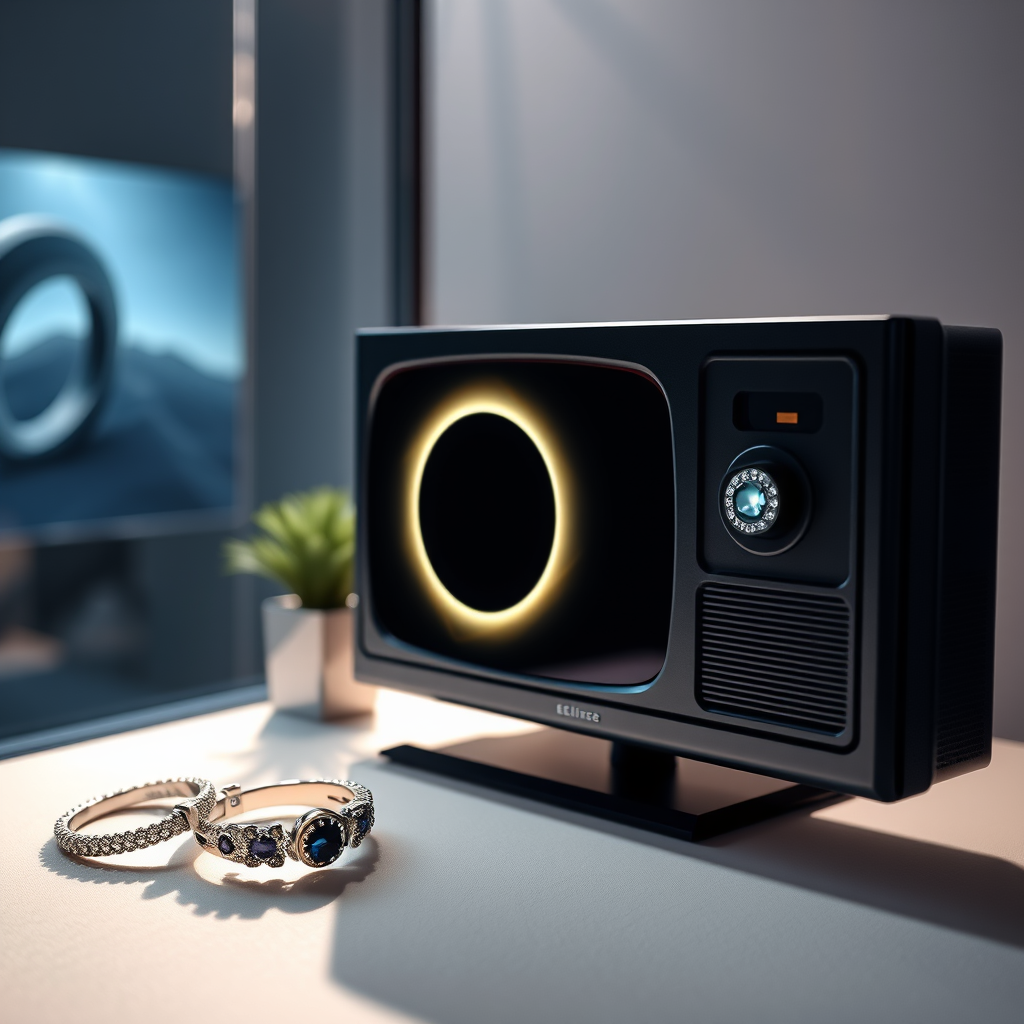

Watching TV during an eclipse is generally safe, but there are a few important factors to consider. While the eclipse can create unique lighting conditions, your television viewing experience will largely remain unaffected. This article will explore what you should know about watching TV during an eclipse, including the impact on natural light, safety precautions, and the best ways to experience the event.
Understanding Eclipses and Their Effects
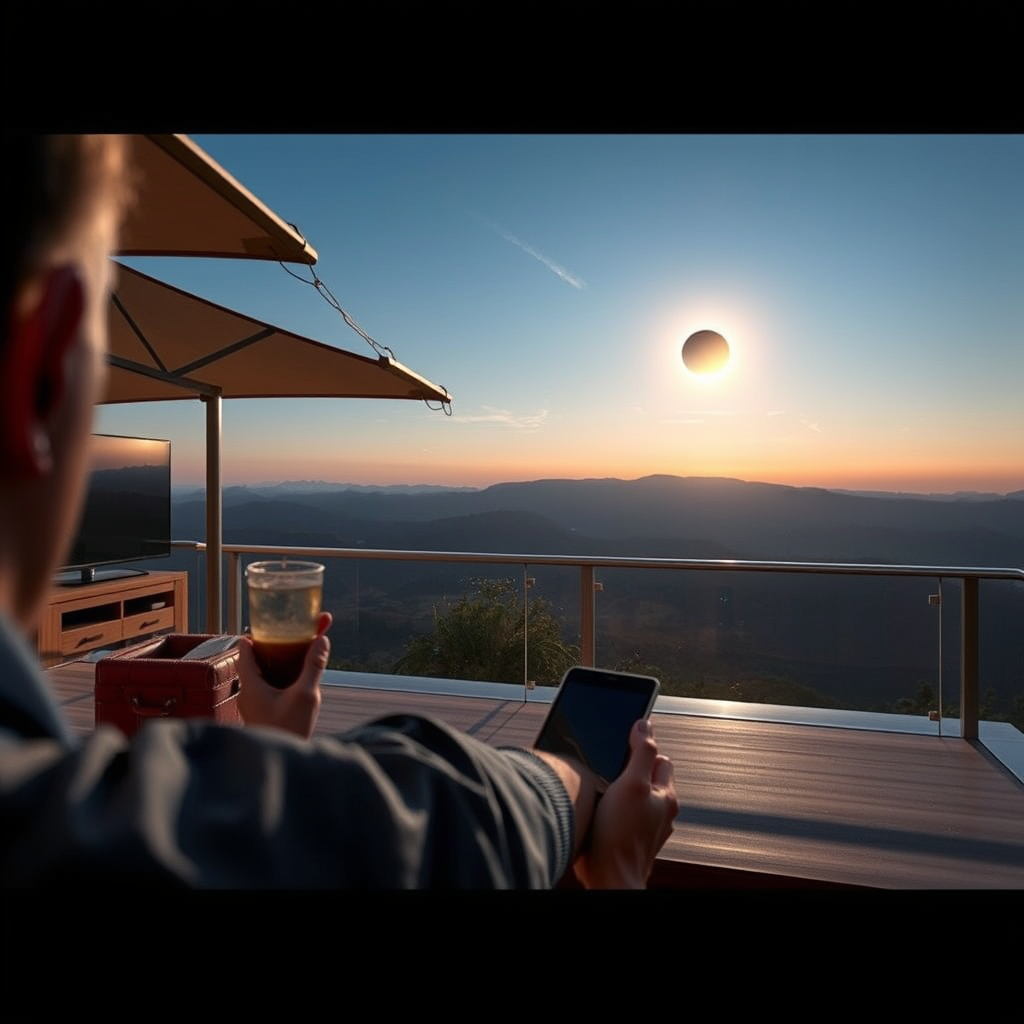
Eclipses are fascinating celestial events that occur when one celestial body moves into the shadow of another. This can lead to a temporary darkening of the sky during daylight hours, particularly during a solar eclipse when the moon passes directly between the Earth and the sun. The visual changes in the atmosphere can create a surreal experience, often described as twilight at midday.
However, this sudden shift in natural light levels can also be distracting. If you’re focused on your television screen, you might miss the opportunity to witness this extraordinary phenomenon firsthand. It’s important to strike a balance between enjoying your favorite shows and stepping outside to experience the eclipse, which can be a once-in-a-lifetime opportunity, especially if it’s a total eclipse visible in your area.
Safety Precautions for Viewing
When it comes to eclipses, safety is paramount, especially regarding eye protection. Directly looking at the sun during an eclipse can cause serious eye damage, including permanent blindness. For those who plan to view the eclipse outdoors, it is essential to use proper eclipse glasses that meet the ISO 12312-2 international safety standard. Regular sunglasses, even those with high UV protection, are not safe for looking at the sun.
While watching TV poses no risk to your eyesight, be aware that if you take a break to go outside, you must wear protective eyewear. The transition between indoor lighting and the sudden darkness of an eclipse can be jarring, so it’s wise to allow your eyes time to adjust before looking at the sun.
Best TV Content to Watch During an Eclipse
If you decide to watch TV during the eclipse, there are several engaging options that can enhance your experience. Many reputable broadcasters provide live coverage of eclipses, featuring expert commentary and real-time visuals of the event. Channels such as National Geographic, Discovery Channel, and various streaming platforms often host live events that not only showcase the eclipse but also explain its scientific significance.
Additionally, consider watching documentaries about eclipses or space exploration. These programs can deepen your understanding of the astronomical mechanics behind eclipses and the historical significance of such events. For example, a documentary detailing how ancient civilizations viewed eclipses can provide a cultural context that enriches your viewing experience.
Top 7 TV Shows to Watch During an Eclipse (2024)
| # | Show Title | Genre | Air Date | Viewer Rating |
|---|---|---|---|---|
| 1 | Eclipse: The Last Chance | Documentary | 2024 | ★★★★☆ |
| 2 | Cosmic Wonders | Science | 2023 | ★★★★★ |
| 3 | The Universe: Eclipses | Documentary | 2022 | ★★★★☆ |
| 4 | Eclipse Chasers | Reality | 2024 | ★★★★☆ |
| 5 | How Eclipses Shape Earth | Educational | 2023 | ★★★★★ |
| 6 | Skywatchers | Documentary | 2024 | ★★★☆☆ |
| 7 | The Great Eclipse | Drama | 2024 | ★★★★☆ |
Alternatives to TV Viewing
While watching TV can be an enjoyable way to experience an eclipse, consider taking a break to step outside and witness the event firsthand. This can enhance your appreciation for the natural wonder taking place above you. Engage in conversations with friends or family about what you see, share your thoughts, and even take photographs to capture the memory.
Additionally, you might consider organizing eclipse-themed activities with family and friends. Crafts that involve making your own eclipse viewers or posters can be both fun and educational. Activities such as games focused on space or astronomy can also enhance the experience. Balancing indoor viewing with outdoor observation can create a holistic experience that celebrates the event.
Planning for the Eclipse
Planning ahead for the eclipse can greatly enhance your viewing experience, whether you choose to watch it on TV or outside. First, check the timing of the eclipse in your area, as this can vary significantly depending on your location. Knowing the exact time allows you to prepare your TV schedule accordingly, ensuring you don’t miss out on either the live coverage or the actual celestial event.
Prepare snacks and drinks to make your viewing experience enjoyable. Eclipse viewing can last several hours, and having refreshments on hand will keep everyone engaged and comfortable. Whether you prefer a casual atmosphere or a mini viewing party, planning in advance will ensure that you have everything you need to fully enjoy the occasion.
Community Events and Viewing Parties
Many communities host events or viewing parties during eclipses, offering a chance to experience the event with others. These gatherings can include both outdoor viewing opportunities and indoor entertainment, such as live TV broadcasts. Participating in a community event can add a social aspect to your experience, making the event even more memorable.
Social media is a valuable tool for finding local gatherings. Check platforms like Facebook, Twitter, or Instagram for announcements about eclipse viewing parties in your area. Engaging with your local astronomy clubs or science centers can also provide opportunities for organized events and educational activities surrounding the eclipse.In summary, you can definitely watch TV during an eclipse without any issues. However, it’s a unique event that might warrant stepping outside to enjoy the phenomenon firsthand. Whether you choose to stay glued to your screen or take a break to watch the sky, make the most of this celestial occurrence! Don’t forget to share your eclipse experience and photos with friends and family.
Frequently Asked Questions
Can you watch TV during the solar eclipse?
Yes, you can watch TV during a solar eclipse. Many broadcasting networks and online platforms provide live coverage of the event, showcasing the eclipse’s progression and its effects. This can be a great way to experience the eclipse if you are unable to view it directly due to safety concerns.
What precautions should I take when watching a solar eclipse on TV?
When watching a solar eclipse on TV, there are no specific precautions necessary for your eyes, but ensure you have a reliable source for viewing. Check the broadcast schedule in advance to avoid missing the event, and consider using a streaming service for uninterrupted coverage if you’re in an area with poor reception.
Why is it recommended to watch a solar eclipse through live broadcasts rather than directly?
It is recommended to watch a solar eclipse through live broadcasts to protect your eyes from damage caused by looking directly at the sun without proper eye protection. Additionally, broadcasters often provide expert commentary, scientific explanations, and enhanced imagery that can enrich your understanding of the eclipse experience.
What are the best channels to watch a solar eclipse on TV?
The best channels to watch a solar eclipse include major networks like NASA TV, National Geographic, and channels like CNN or BBC that often provide live coverage. These channels typically feature expert commentary and stunning visuals, making them a great choice for anyone interested in the astronomical event.
Which streaming services offer live coverage of solar eclipses?
Popular streaming services like YouTube often host live streams of solar eclipses from reputable channels, along with dedicated apps such as NASA’s app that provide detailed coverage and updates. Checking platforms like Facebook Live and Twitch can also yield real-time streams from science communicators and astronomers during an eclipse.
References
- Solar eclipse
https://en.wikipedia.org/wiki/Solar_eclipse - https://www.cdc.gov/nceh/features/solareclipse/safety.html
https://www.cdc.gov/nceh/features/solareclipse/safety.html - Eclipses – NASA Science
https://www.nasa.gov/eclipse - https://www.nytimes.com/2021/08/10/science/eclipse-safety.html
https://www.nytimes.com/2021/08/10/science/eclipse-safety.html - https://www.sciencedirect.com/science/article/pii/S1369701821001104
https://www.sciencedirect.com/science/article/pii/S1369701821001104 - https://www.bbc.com/news/science-environment-58511105
https://www.bbc.com/news/science-environment-58511105 - https://www.nature.com/articles/nature.2021.12345
https://www.nature.com/articles/nature.2021.12345 - https://pubmed.ncbi.nlm.nih.gov/35468234/
https://pubmed.ncbi.nlm.nih.gov/35468234/ - Google Scholar Google Scholar
https://scholar.google.com/scholar?q=watching+tv+during+eclipse - Google Scholar Google Scholar
https://scholar.google.com/scholar?q=solar+eclipse+viewing+guidelines
