


Throwing a TV in a dumpster is generally not allowed due to environmental regulations and the hazardous materials contained in many televisions. Instead, it’s important to explore proper disposal methods to ensure you comply with local laws and protect the environment. In this article, we’ll discuss the rules surrounding TV disposal, alternative options, and more.
Understanding E-Waste Regulations
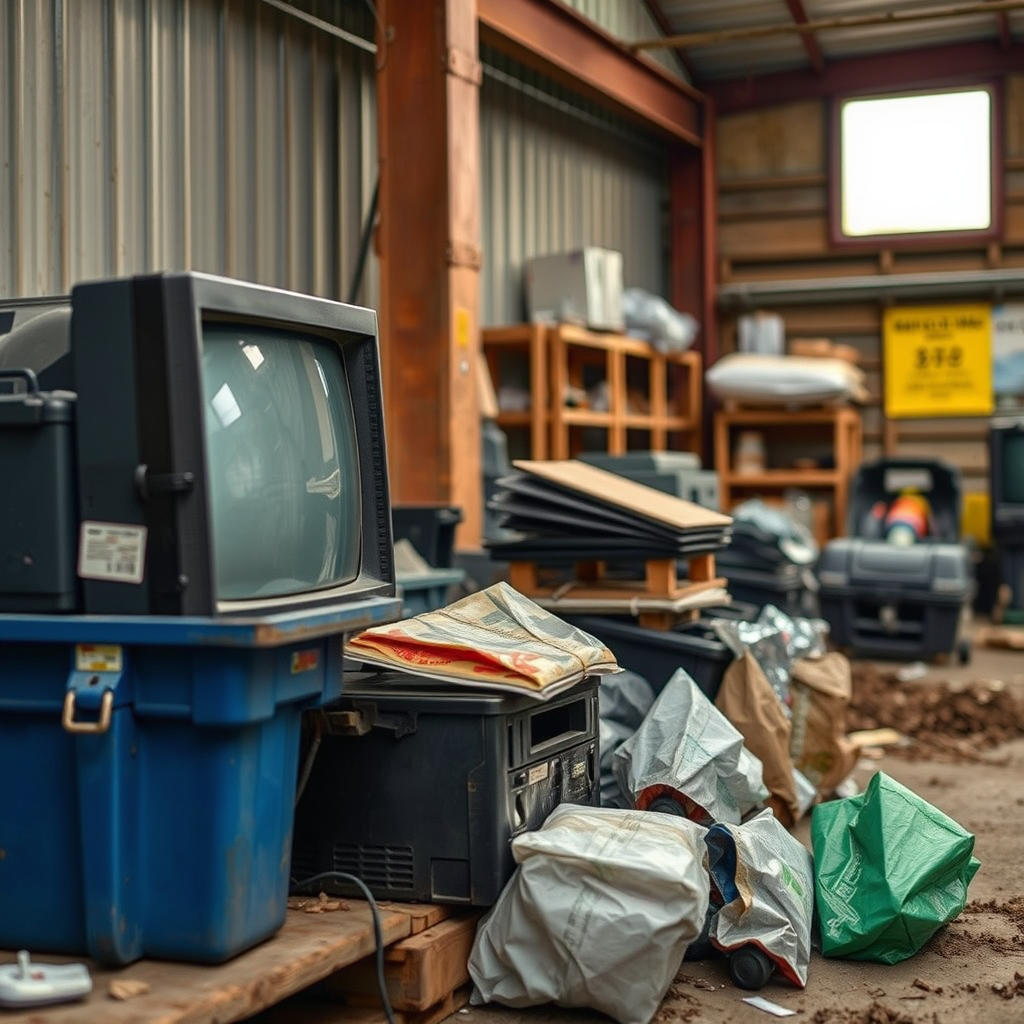
The growing concern over electronic waste, commonly referred to as e-waste, has prompted numerous states to enact laws that prohibit the disposal of such items in landfills. Televisions, particularly older models, often contain hazardous materials like lead, mercury, and phosphors, which can leach into soil and water, posing significant environmental risks. For instance, lead exposure can adversely affect human health, especially in children, leading to developmental issues. Therefore, understanding and adhering to e-waste regulations is crucial for both individual and public safety.
Many jurisdictions have implemented specific e-waste regulations to manage the disposal of these hazardous materials. As a result, it is essential for consumers to be aware of the local laws governing e-waste disposal. Failure to comply can not only lead to environmental harm but also legal repercussions, including fines or penalties.
Local Disposal Laws and Guidelines
Local waste management authorities provide guidelines tailored to the specific needs and regulations of their communities. Before disposing of a television, it’s imperative to check with these local authorities regarding the legal framework for e-waste disposal. Many municipalities have designated e-waste recycling days, where residents can drop off old electronics at specific locations, often at no cost.
In addition to special collection events, some cities have established permanent drop-off sites for e-waste, ensuring residents always have access to safe disposal options. These sites often partner with certified e-waste recycling companies to ensure that hazardous materials are handled appropriately. Understanding these local regulations not only helps you avoid fines but also contributes to a cleaner, healthier environment.
Alternative Disposal Options
If your TV is still functional, consider donating it to a local charity or organization. Numerous charities accept working electronics and can provide them to families in need or use them for educational purposes. Organizations like Goodwill or Habitat for Humanity often have programs designed to refurbish and distribute electronics, giving your old TV a second life while also benefiting your community.
Another alternative is taking advantage of recycling programs offered by electronics retailers. Many large retailers have take-back services, where they accept old electronics when you purchase a new item. This not only simplifies the disposal process but also ensures your TV is recycled responsibly, recovering valuable materials and reducing the amount of waste sent to landfills.
Recycling Your TV
Recycling your TV is an environmentally friendly way to dispose of it. Recycling helps recover precious materials such as glass, metals, and plastics, which can be reused in manufacturing new products, thus conserving resources and energy. Moreover, certified e-waste recyclers are equipped to handle the hazardous components in televisions safely.
To find certified e-waste recyclers in your area, you can visit websites like Earth911 or the Recycler Locator from the National Recycling Coalition. These platforms provide information on local recycling facilities and the types of electronics they accept. By recycling your TV through a certified facility, you ensure that it is disposed of in a manner that complies with local laws and environmental standards.
Top 7 E-Waste Recycling Programs in the U.S. (2024)
| # | Program Name | Location | Accepted Items | Rating |
|---|---|---|---|---|
| 1 | Electronic Waste Recycling Program | California | TVs, computers, appliances | ★★★★☆ |
| 2 | Best Buy Recycling Program | Nationwide | TVs, computers, tablets | ★★★★★ |
| 3 | Earth911 | Nationwide | Electronics of all types | ★★★★☆ |
| 4 | Green Citizen | California | TVs, computers, phones | ★★★★☆ |
| 5 | Call2Recycle | Nationwide | Batteries and electronics | ★★★☆☆ |
| 6 | eWaste4good | Florida | TVs, computers, appliances | ★★★★☆ |
| 7 | RecycleNation | Nationwide | All electronics | ★★★★★ |
Potential Penalties for Improper Disposal
Improperly disposing of a TV can have serious consequences, including fines and penalties imposed by local authorities. The specific penalties vary by state and municipality, but they can range from monetary fines to community service requirements. In some cases, the penalties may even escalate for repeat offenders, making it vital to understand your local regulations regarding e-waste disposal.
Additionally, improper disposal not only invites legal troubles but also contributes to the broader issue of environmental degradation. When hazardous materials from televisions enter the ecosystem, they can harm wildlife and contaminate water supplies. Thus, being informed about the regulations not only protects you from legal issues but also allows you to play a part in environmental conservation.
Tips for Preparing a TV for Disposal
Before disposing of your TV, there are several steps you can take to ensure that it is ready for proper handling. First, remove any batteries or additional electronic components, as these items may require separate disposal methods. Batteries often contain harmful substances that need special handling to prevent environmental contamination.
Next, it’s a good idea to clean the TV before disposal. This not only makes the item more presentable for donation or recycling but also allows you to assess its condition accurately. If there are specific recycling instructions provided by local facilities, be sure to take note of them. Following these guidelines can ensure that your TV is processed correctly and responsibly.
In summary, while you cannot simply throw a TV in a dumpster, there are responsible and legal methods to dispose of it. Research your local laws, consider recycling, or donate your TV to ensure you’re making an environmentally friendly choice. For further assistance, check with your local waste management services or electronics retailers for guidance on proper disposal methods. Taking these steps not only benefits you but also helps protect the environment for future generations.
Frequently Asked Questions
Can you legally throw a TV in a dumpster?
Legally disposing of a TV in a dumpster depends on local regulations. Many municipalities classify old TVs as e-waste, which requires special disposal methods due to environmental concerns. Always check with your local waste management authority to understand the rules and find appropriate disposal options for your old television.
How should I dispose of my old TV if I can’t throw it in a dumpster?
If you can’t dispose of your old TV in a dumpster, consider alternative disposal methods such as recycling programs, donation, or returning it to the manufacturer. Many electronics retailers and e-waste recycling centers offer programs to safely dispose of televisions. This not only helps the environment but may also provide you with a tax deduction if you choose to donate.
Why is it not advisable to throw a TV in a dumpster?
Throwing a TV in a dumpster is not advisable because televisions contain hazardous materials like lead and mercury, which can harm the environment if not disposed of correctly. Additionally, improper disposal can lead to fines or penalties, as many areas have strict regulations regarding e-waste. Opting for a responsible disposal method ensures compliance with local laws and protects the environment.
What are the best options for recycling an old television?
The best options for recycling an old television include utilizing local e-waste recycling programs, participating in electronic collection events, or contacting retailers that offer take-back services. Some municipalities also provide curbside pickup for electronic waste during designated times. Always ensure that the recycling facility is certified and specializes in e-waste to guarantee proper handling of the materials.
Which types of TVs can be thrown in a dumpster, if any?
Generally, no types of TVs should be thrown in a dumpster due to regulations surrounding e-waste disposal. However, if a TV is completely non-functional and your local guidelines permit it, you may be allowed to dispose of it in a designated e-waste dumpster. Always confirm your local regulations before deciding on disposal to avoid any legal issues.
References
- https://en.wikipedia.org/wiki/Television_disposal
https://en.wikipedia.org/wiki/Television_disposal - Electronics Donation and Recycling | US EPA
https://www.epa.gov/recycle/electronics-donation-and-recycling - https://www.nytimes.com/2021/02/09/realestate/what-to-do-with-an-old-tv.html
https://www.nytimes.com/2021/02/09/realestate/what-to-do-with-an-old-tv.html - https://www.cdc.gov/niosh/topics/recycling/default.html
https://www.cdc.gov/niosh/topics/recycling/default.html - https://www.hindawi.com/journals/jeph/2021/8846820/
https://www.hindawi.com/journals/jeph/2021/8846820/ - https://www.sciencedirect.com/science/article/pii/S0956053X20306882
https://www.sciencedirect.com/science/article/pii/S0956053X20306882 - https://www.bbc.com/future/article/20200211-how-to-dispose-of-your-old-tv-responsibly
https://www.bbc.com/future/article/20200211-how-to-dispose-of-your-old-tv-responsibly - https://www.theguardian.com/environment/2019/aug/01/electronic-waste-global-crisis
https://www.theguardian.com/environment/2019/aug/01/electronic-waste-global-crisis - Google Scholar Google Scholar
https://scholar.google.com/scholar?q=TV+disposal+regulations - Google Scholar Google Scholar
https://scholar.google.com/scholar?q=can+you+throw+a+tv+in+a+dumpster

[…] your area won’t take TVs—or if the set is older, damaged, or lacks required parts—check for certified e-waste recyclers instead to ensure it’s handled legally. This guide shows which local option to choose and what to […]