
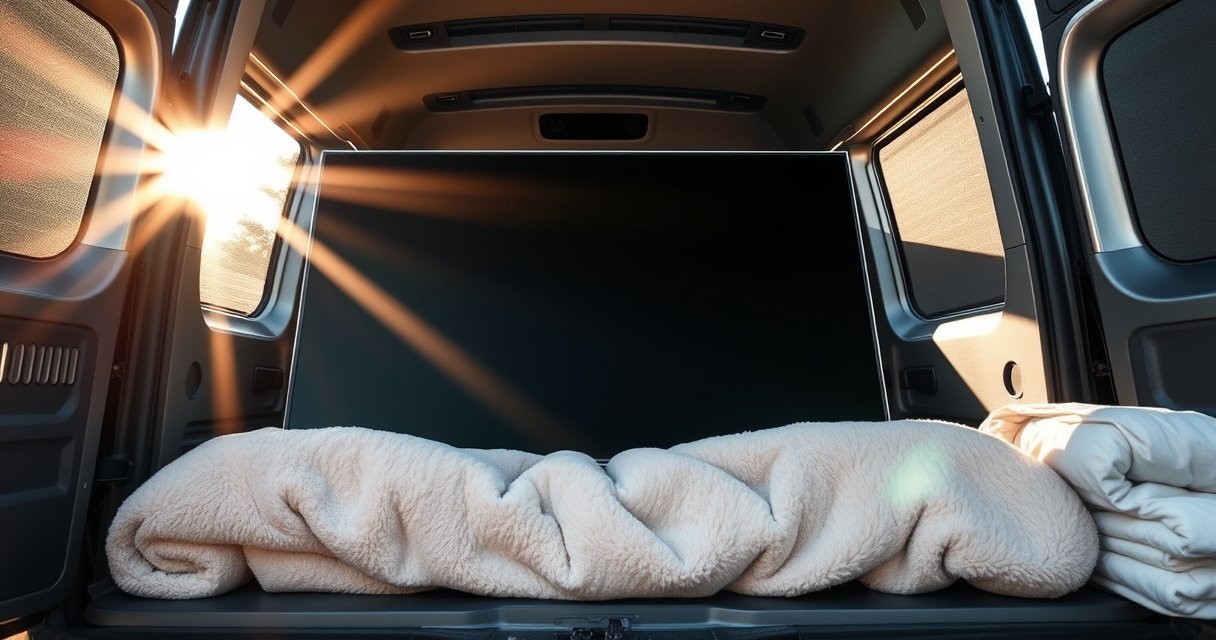

Understanding the Risks of Laying a TV Down
When considering laying a flat-screen TV down for transport, it is critical to recognize the potential risks involved. One of the primary concerns is the risk of screen damage. Flat-screen TVs, particularly those with LCD or OLED displays, are incredibly delicate. If the screen is not adequately supported, it can suffer from pressure marks, cracks, or even complete breakage.
Another significant risk lies in the internal components of the television. Most modern TVs contain sensitive electronics that can shift or become dislodged when the TV is transported horizontally. This can lead to functionality issues post-transport, such as screen flickering, color problems, or complete failure to power on. Therefore, it is essential to weigh these risks against the necessity of laying the TV down during transport.
Best Practices for Transporting a TV
To mitigate the risks associated with laying a TV down, following best practices for transport is crucial. Here are several steps to ensure your television arrives safely at its destination:
– Use a Protective Cover: Always wrap your TV in a protective cover or blanket. This shields the screen from scratches and impacts that may occur during transit. Consider using bubble wrap for added cushioning around the edges.
– Secure the TV: Use straps or ties to secure the TV in place within the vehicle. This prevents movement and reduces the risk of damage caused by sudden stops or turns.
– Transport Upright When Possible: While it is possible to lay a TV down, transporting it upright is generally the safest option. If space allows, always choose to keep the TV in its upright position.
– Avoid Extreme Temperatures: Ensure that the temperature inside the transporting vehicle is moderate. Extreme heat or cold can affect the electronics and screen of the TV.
When to Lay a TV Down
There are specific situations where laying down a TV may be necessary, particularly when space constraints make it impossible to transport it upright. If you find yourself in one of these scenarios, it’s vital to make sure that the TV is laid down correctly:
– Space Constraints: If you are using a smaller vehicle or have limited space in a moving truck, laying the TV down may be your only option.
– Cushioned Position: If you must lay the TV down, ensure that it is on a cushioned surface. The ideal position is on its side with the screen protected, preferably placed on thick blankets or foam padding.
How to Safely Lay a TV Down
If you determine that laying the TV down is the best option, follow these guidelines to do so safely:
– Screen-Side Up: When laying the TV down, place it screen-side up on a soft surface. This configuration prevents pressure from being applied directly to the screen, which can cause damage.
– Avoid Heavy Items: Do not place heavy items on top of the TV while it is laid down. This can lead to screen distortion or cracking, as well as damage to internal components.
– Use Soft Padding: Ensure that the surface on which the TV rests is adequately padded. This includes using blankets, pillows, or foam padding to create a soft cushion.
Alternatives to Laying a TV Down
If at all possible, consider alternatives to laying a TV down during transport. Here are some options to ensure safe moving:
– TV Transport Box: If available, use a specially designed TV transport box. These boxes are crafted to support the TV in an upright position, providing maximum protection during transport.
– Professional Movers: Hiring professional movers who have experience with transporting delicate electronics can also be a wise choice. They possess the right equipment and expertise to ensure that your TV is transported safely.
– Disassemble Components: If your TV has detachable components, such as stands or mounts, consider removing them and packing them separately. This can reduce the risk of damage during transport.
Tips for Post-Transport Setup
Once you’ve successfully transported your TV, there are several steps you should take to ensure it functions correctly:
– Acclimatize the TV: Allow the TV to acclimate to room temperature before plugging it in. Sudden temperature changes can cause condensation to form inside the TV, potentially damaging internal components.
– Inspect for Damage: Before setting up your TV, inspect it for any visible damage. Look for cracks or dents in the screen and check that all components are functioning correctly.
– Follow Manufacturer Guidelines: Always refer to your TV’s user manual for specific transport and setup instructions. This can provide valuable insights tailored to your particular model.
Common TV Damage Risks During Transport
| # | Damage Type | Likelihood (%) | Severity (1-10) |
|---|---|---|---|
| 1 | Screen Crack | 30% | 9 |
| 2 | Screen Distortion | 25% | 7 |
| 3 | Internal Component Shift | 20% | 8 |
| 4 | Connection Port Damage | 15% | 6 |
| 5 | Power Supply Failure | 10% | 7 |
| 6 | Audio Output Issues | 8% | 5 |
| 7 | Frame Damage | 12% | 6 |
The safe transport of a TV can be achieved with the right precautions. Whether you choose to lay it down or keep it upright, always prioritize protection and stability. By understanding the potential risks and following best practices, you can ensure that your television remains safe and functional during transport. If you need further guidance, consider consulting a moving expert or refer to your TV’s user manual for specific transport instructions.
Frequently Asked Questions
Can you lay a TV down to transport it safely?
Yes, you can lay a TV down to transport it, but it’s crucial to do so carefully. Always place it on a soft surface, like a blanket, to prevent scratches and ensure the screen faces up to avoid pressure on the glass. Additionally, securing the TV with straps can help prevent movement during transport.
What is the best way to transport a flat-screen TV?
The best way to transport a flat-screen TV is to keep it upright and in its original box if possible. If you must lay it down, make sure to place it on a padded surface and avoid putting anything heavy on top. Using a TV moving strap or a sturdy dolly can also help stabilize the TV during transit.
Why is it not recommended to lay a TV flat on its screen?
Laying a TV flat on its screen can lead to damage due to pressure and weight, especially with LCD and OLED screens. The glass or plastic can crack or cause internal components to shift. To protect your investment, always transport it upright or with the screen facing upward on a soft surface.
How can I protect my TV while transporting it?
To protect your TV during transport, use bubble wrap or moving blankets to cover it entirely, securing it with tape. Ensure that it is placed in an upright position in the vehicle, or if laying it down, make sure it’s on a soft surface with the screen facing up. Additionally, avoid temperature extremes by keeping it in a climate-controlled environment.
Which types of TVs can be laid flat for transport?
Generally, LED and LCD TVs can be laid flat for transport, but it is always safer to keep them upright. Plasma and OLED TVs are particularly sensitive and should never be laid flat as they are more prone to screen damage. Always check the manufacturer’s guidelines for specific recommendations regarding transport.
References
- https://www.lifewire.com/how-to-transport-a-flat-screen-tv-4178291
https://www.lifewire.com/how-to-transport-a-flat-screen-tv-4178291 - https://www.homedepot.com/c/ah/how-to-move-a-tv/9ba683603be9fa5395fab9016d65a8e1
https://www.homedepot.com/c/ah/how-to-move-a-tv/9ba683603be9fa5395fab9016d65a8e1 - Google Scholar Google Scholar
https://scholar.google.com/scholar?q=transporting+TV+laying+down - Google Scholar Google Scholar
https://scholar.google.com/scholar?q=transport+flat+screen+TV+guidelines - Google Scholar Google Scholar
https://scholar.google.com/scholar?q=TV+transport+best+practices - https://www.researchgate.net/publication/329100135_How_to_properly_transport_your_lcd_tv
https://www.researchgate.net/publication/329100135_How_to_properly_transport_your_lcd_tv - https://www.bbc.com/news/technology-39123530
https://www.bbc.com/news/technology-39123530 - https://www.nytimes.com/2017/02/22/technology/personaltech/how-to-transport-a-flat-screen-tv.html
https://www.nytimes.com/2017/02/22/technology/personaltech/how-to-transport-a-flat-screen-tv.html - Google Scholar Google Scholar
https://scholar.google.com/scholar?q=can+you+lay+a+tv+down+to+transport+it - can you lay a tv down to transport it – Search results
https://en.wikipedia.org/wiki/Special:Search?search=can+you+lay+a+tv+down+to+transport+it

[…] can lay a smart TV flat in many cases, but only if you do it safely to prevent screen damage, internal stress, and condensation issues. In my hands-on experience moving TVs for home installs […]
[…] rated for safe overnight charging use. If an earbud or case feels unusually hot, stop using it and inspect for damage or battery […]
[…] returned with screen damage or missing critical […]
[…] No major screen damage: Cracks, deep scratches, or dead pixels may be considered unacceptable depending on […]
[…] can lay a Smart TV flat only if you do it the right way—otherwise you risk screen damage, stress to internal components, or problems with the panel during transport. The key conditions are […]
[…] reduce glare from direct sun. Indoor TVs may fail outdoors due to moisture ingress, overheating, or screen damage from prolonged sunlight exposure. If you want reliable performance outdoors, an outdoor-rated TV is […]