


Understanding TV Design and Risks
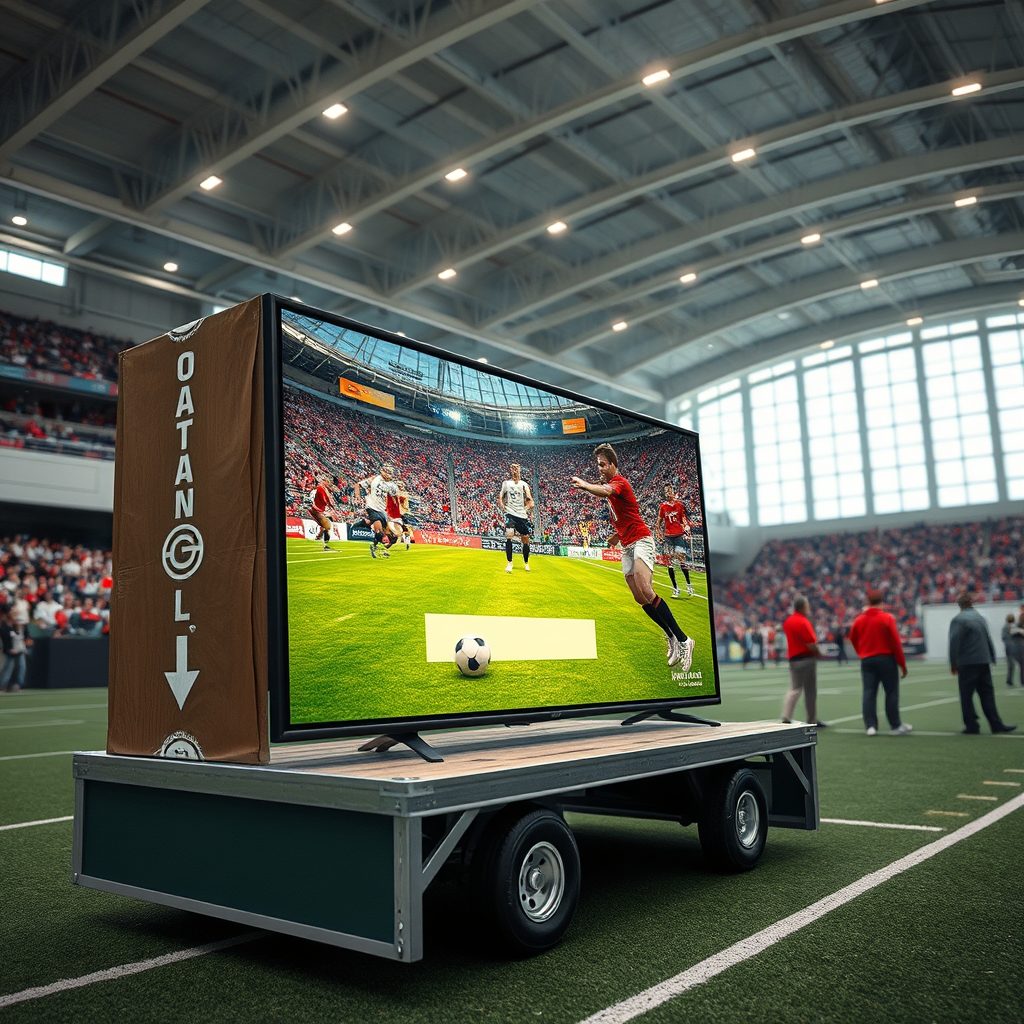
Flat-screen TVs are engineered with delicate components that are vulnerable to damage if not handled properly. The most significant risk when laying a TV down is the potential for pressure to be exerted on the screen, which can lead to cracks or display malfunction. Additionally, internal components like circuit boards can be jostled or dislodged, leading to functionality issues. Manufacturers typically design packaging to support the TV in an upright position, which allows for even weight distribution and minimizes stress on the screen and internal parts.
Understanding these risks is crucial when considering how to transport a TV. If you must transport your TV laying down, it is essential to recognize that the likelihood of damage increases significantly without proper precautions.
Preparing the TV for Transport
Before packing your TV for transport, it is vital to prepare it adequately. Start by removing all cables, accessories, and stands. This will not only protect these items from damage but also reduce the weight and bulk of the TV for easier handling.
Next, wrap the TV in protective materials such as foam corners, bubble wrap, or blankets. These materials provide a cushion that absorbs shocks during transit and prevents scratches on the screen. If possible, place the TV in its original box, which is designed to fit snugly and provide optimal protection.
Best Practices for Laying Down a TV
If laying the TV down is unavoidable, there are several best practices to follow to minimize the risk of damage:
– Choose a Soft Surface: Lay the TV down on a soft surface such as a carpet or padded blanket. Avoid hard surfaces that can exert direct pressure on the screen.
– Screen Orientation: Place the TV face-up or screen-up during transport. This orientation helps to distribute weight evenly and prevents pressure from being exerted on the screen.
– Additional Padding: Use additional padding materials around the TV, especially on the edges, to further protect against shocks and impacts.
By adhering to these practices, you can help safeguard your TV against potential damage during transit.
TV Models by Safety Ratings and Transport Guidelines
| # | TV Model | Screen Size | Weight (lbs) | Safety Rating |
|---|---|---|---|---|
| 1 | Samsung QLED 65″ | 65″ | 55 | ★ ★ ★ ★ ★ |
| 2 | LG OLED 55″ | 55″ | 45 | ★ ★ ★ ★ ★ |
| 3 | Sony Bravia 75″ | 75″ | 70 | ★ ★ ★ ★ |
| 4 | TCL 50″ | 50″ | 40 | ★ ★ ★ ★ |
| 5 | Vizio 65″ | 65″ | 60 | ★ ★ ★ ★ ★ |
| 6 | Panasonic 58″ | 58″ | 50 | ★ ★ ★ ★ |
| 7 | Sharp 70″ | 70″ | 65 | ★ ★ ★ ★ |
Choosing the Right Box
Using the right box for transporting your TV is crucial to ensuring its safety. If you still have the original box, it is highly advisable to use it. The original packaging is designed to fit the TV precisely, providing optimal protection from impacts and vibrations during transport.
If the original box is no longer available, select a box that is slightly larger than the TV but not excessively so. A snug fit minimizes movement within the box, reducing the risk of damage. Ensure the box has adequate padding, such as bubble wrap or foam, to absorb shocks.
Securing the TV in Transit
Once the TV is packed, securing it in the vehicle is the next critical step. Use straps or tie-downs to keep the TV in place and prevent it from shifting during transit. When loading the TV into the vehicle, position it in a way that prevents other items from leaning against it.
Avoid stacking heavy objects on top of the box, as this can lead to crushing and damage to the TV. If possible, transport the TV in a location where it can remain upright, such as in a dedicated space in an SUV or truck.
Alternatives to Laying Down a TV
If you find yourself needing to transport a TV and are concerned about potential damage, consider some alternatives to laying it down. Renting a larger vehicle specifically designed for moving can provide the upright space needed for safe transport.
Additionally, if the task seems daunting, look into professional moving services that specialize in electronics. These professionals have the experience and equipment necessary to ensure your TV arrives safely at its destination without the risk of damage.
In conclusion, while transporting a TV laying down in its box is not ideal, it can be done with careful preparation and precautions. Understanding the risks, preparing the TV properly, and following best practices can significantly reduce the risk of damage. Whenever possible, opt for upright transport methods, and consider professional services to safeguard your valuable electronic devices.
Frequently Asked Questions
Can you transport a TV laying down in the box?
While it’s generally recommended to transport a TV upright to prevent damage, if the box is designed for it, you can lay it down. However, ensure that the TV is well-cushioned and supported to avoid pressure on the screen. Always refer to the manufacturer’s guidelines for the safest transport methods.
What are the risks of laying a TV down during transport?
Laying a TV down can increase the risk of screen damage, especially if there’s any pressure applied to the screen or if it shifts during transport. Additionally, components inside the TV might become dislodged, potentially affecting performance. It’s best to keep the TV upright whenever possible to minimize these risks.
How should I prepare my TV for transport if laying it down?
If you must lay the TV down, start by removing all cables and accessories. Use a soft blanket or bubble wrap to wrap the TV securely, ensuring the screen is protected. Place the TV in a sturdy box that fits snugly and avoid stacking anything on top of it to prevent pressure on the screen.
Why is it important to transport a TV upright?
Transporting a TV upright is crucial because it helps maintain the integrity of the screen and internal components. The design of most TVs allows them to bear weight from the base rather than the sides or top, reducing the risk of damage. Following this practice can ensure your TV remains in optimal working condition.
Which type of TV is more sensitive to being laid down during transport?
OLED TVs are particularly sensitive to being laid down during transport due to their thinner screens and delicate components. LCD and LED TVs are also at risk, but OLED models are more prone to permanent damage if not handled correctly. Always prioritize upright transport for any type of TV to safeguard its functionality.
References
- Google Scholar Google Scholar
https://scholar.google.com/scholar?q=transporting+tv+laying+down - Reddit – The heart of the internet
https://www.reddit.com/r/HomeImprovement/comments/8x1f0m/how_to_transport_a_tv/ - https://www.bbc.com/news/magazine-27631490
https://www.bbc.com/news/magazine-27631490 - https://www.sciencedirect.com/topics/engineering/television
https://www.sciencedirect.com/topics/engineering/television - https://www.nytimes.com/2014/12/13/technology/how-to-transport-a-television.html
https://www.nytimes.com/2014/12/13/technology/how-to-transport-a-television.html - Google Scholar Google Scholar
https://scholar.google.com/scholar?q=TV+transportation+guidelines - https://www.britannica.com/technology/television
https://www.britannica.com/technology/television - Google Scholar Google Scholar
https://scholar.google.com/scholar?q=can+you+transport+a+tv+laying+down+in+the+box - can you transport a tv laying down in the box – Search results
https://en.wikipedia.org/wiki/Special:Search?search=can+you+transport+a+tv+laying+down+in+the+box - https://www.ncbi.nlm.nih.gov/search/research-articles/?term=can+you+transport+a+tv+laying+down+in+the+box
https://www.ncbi.nlm.nih.gov/search/research-articles/?term=can+you+transport+a+tv+laying+down+in+the+box

[…] it the safe way: place it face-up on a clean, padded surface and support the entire panel to avoid pressure on the screen. For most modern flat-panel TVs, laying flat is safer than keeping it on its back without support, […]