


As of now, there are approximately 7,000 languages spoken around the globe, which translates to a vast and diverse number of speakers. The distribution of these speakers varies significantly across different languages, influenced by factors such as geographic location, cultural dynamics, and technological advancements. In this article, we will explore the distribution of speakers among languages, the various factors that influence these numbers, the role of technology in language use, and the implications of globalization on linguistic diversity.
Global Language Distribution
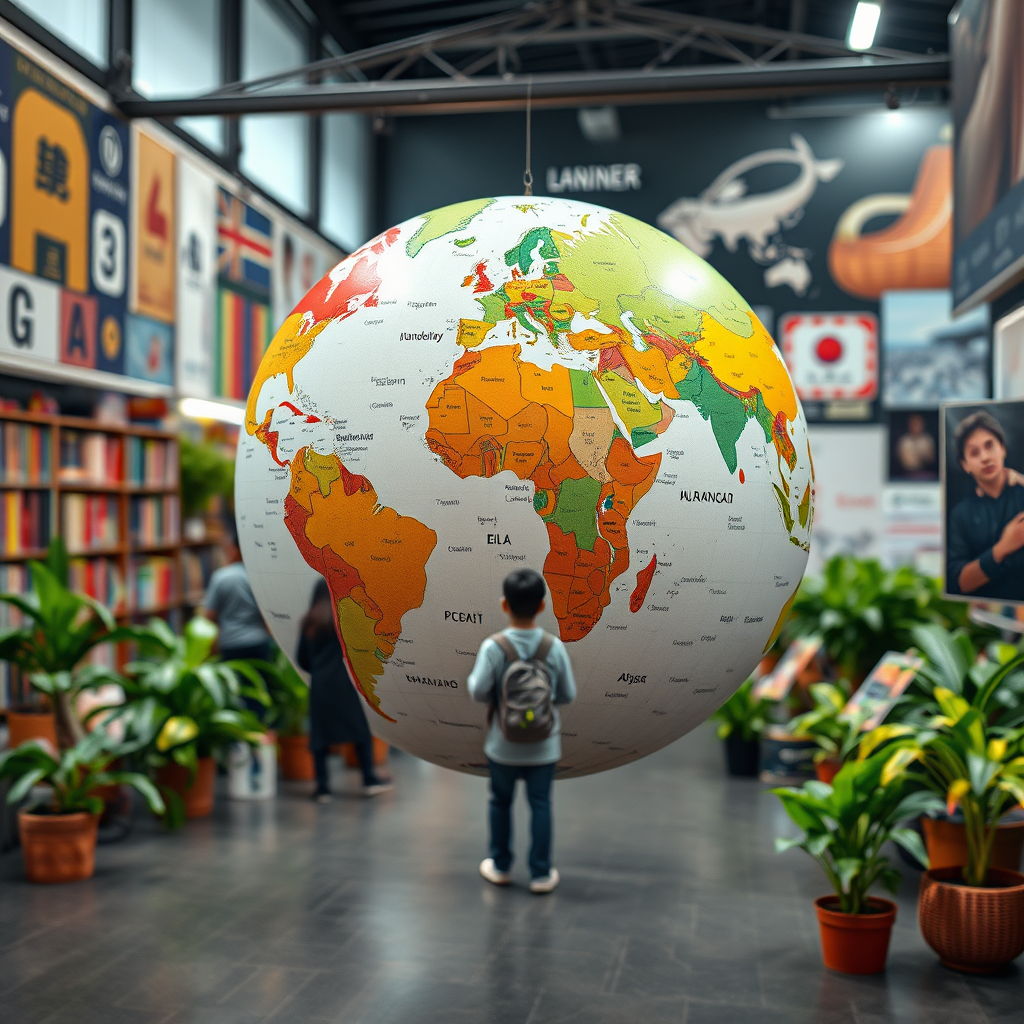
The global distribution of languages shows a fascinating but uneven landscape. Approximately 90% of the world’s languages are spoken by fewer than 100,000 individuals each, highlighting the fragility of many linguistic traditions. Conversely, a select few languages dominate the global scene. For instance, Mandarin Chinese, Spanish, and English boast hundreds of millions of speakers, making them some of the most widely spoken languages.
The vast majority of languages face the risk of extinction as their speaker populations dwindle. According to Ethnologue, a comprehensive resource on world languages, the most spoken languages are:
1. Mandarin Chinese – Over 1 billion speakers
2. Spanish – Approximately 460 million native speakers
3. English – Around 375 million native speakers, but spoken as a second language by over 1 billion people
This stark contrast emphasizes the need for robust language preservation efforts, especially for languages with smaller speaker populations.
Factors Influencing Speaker Numbers
Several factors contribute to the varying number of speakers across languages.
– Population Demographics: Regions with larger populations, such as China and India, naturally have higher numbers of speakers for their predominant languages. Urban areas tend to attract a mix of languages due to migration and cultural exchange, often resulting in multilingual communities.
– Language Vitality: The health of a language impacts its number of speakers. Languages that are actively taught in schools, used in media, and embraced by younger generations tend to thrive. Conversely, languages that lack institutional support or face societal pressures often experience a decline in speakers. UNESCO classifies languages based on their vitality, identifying many as endangered or vulnerable, which necessitates immediate attention for revitalization.
The interplay of these factors creates a dynamic environment for language use, influencing both individual and collective identities across cultures.
The Role of Technology in Language Use
Technology has emerged as a powerful tool in shaping language dynamics. Social media and online platforms facilitate the spread and preservation of languages, allowing speakers from different geographical locations to connect and share their linguistic heritage.
– Social Media: Platforms like Facebook, Twitter, and Instagram allow users to communicate in their native languages, thus supporting minority languages and fostering a sense of community among speakers.
– Language Learning Apps: The rise of language learning applications such as Duolingo, Babbel, and Rosetta Stone has made it easier for individuals to learn less commonly spoken languages. These resources not only increase the number of speakers but also promote cultural exchange and understanding.
This technological revolution is crucial for language preservation, enabling speakers to maintain their linguistic identities in an increasingly globalized world.
Most Spoken Languages and Their Estimated Number of Speakers (2023)
| # | Language | Speakers (millions) | Region | Status |
|---|---|---|---|---|
| 1 | Mandarin Chinese | 1,000 | Asia | Thriving |
| 2 | Spanish | 460 | Europe & Americas | Thriving |
| 3 | English | 375 | Worldwide | Thriving |
| 4 | Hindi | 340 | Asia | Thriving |
| 5 | Arabic | 310 | Middle East & North Africa | Thriving |
| 6 | Bengali | 230 | Asia | Thriving |
| 7 | Portuguese | 220 | Europe & Americas | Thriving |
Major Languages by Number of Speakers
The world’s linguistic landscape is dominated by a few major languages that command substantial speaker populations. The most notable among these are:
– Mandarin Chinese: With over 1 billion speakers, primarily in China, Mandarin exemplifies the impact of demographic factors on language prevalence. Its status as a national language in China ensures its vitality and growth.
– Spanish: Approximately 460 million people speak Spanish as their native language, making it the second most spoken language globally. Its widespread use across Latin America and Spain reflects historical colonization and current cultural exchanges.
– English: English boasts around 375 million native speakers, but it is spoken as a second language by over 1 billion people worldwide. Its status as a global lingua franca is bolstered by its dominance in business, science, and technology.
These major languages not only influence communication but also shape cultural exchanges and economic opportunities across the globe.
Impact of Globalization on Language Use
Globalization has significantly altered the dynamics of language use worldwide. It has created an environment where multilingualism thrives as individuals seek to enhance their economic prospects by learning additional languages. This phenomenon is particularly evident in regions with high levels of immigration, where language blending often occurs, leading to the emergence of pidgins and creoles.
– Multilingualism: As businesses expand internationally, the demand for employees who can communicate in multiple languages increases. This trend encourages individuals to learn new languages, thereby contributing to the growth of speakers in various linguistic communities.
– Language Blending: In multicultural societies, languages often intermingle, resulting in unique linguistic forms. For instance, Spanglish, a blend of Spanish and English, has emerged in the United States, showcasing how globalization fosters linguistic creativity.
Such developments underscore the importance of language adaptability and resilience in an interconnected world.
The Future of Language Diversity
Despite the richness of global linguistic diversity, predictions suggest that many languages will face extinction in the coming decades. The current pace of language loss is alarming, with estimates indicating that a language dies every two weeks.
Efforts to preserve and revitalize endangered languages are crucial for maintaining linguistic diversity. Organizations and communities are increasingly engaged in initiatives to document, teach, and promote lesser-known languages.
– Language Preservation: Activists and linguists are working tirelessly to record languages at risk of disappearing. This involves creating educational resources, conducting workshops, and integrating these languages into school curricula.
– Revitalization Initiatives: Communities are also taking steps to revitalize their languages by encouraging their use in daily life and cultural practices. Language camps, immersion programs, and digital platforms serve as vital tools for engaging younger generations.
The future of language diversity hinges on these collective efforts, as they play a pivotal role in ensuring that the world’s rich tapestry of languages continues to thrive.
The insights shared in this article highlight the complexity of language speakers worldwide. Understanding these dynamics can enhance communication and foster appreciation for linguistic diversity. Exploring and learning about different languages can be a rewarding endeavor, so consider taking steps to engage with a new language or support language preservation initiatives. Through such efforts, we can contribute to the vibrancy of our global linguistic heritage.
Frequently Asked Questions
How many speakers are typically found in a sound sphere?
A standard sound sphere usually features multiple speakers, often ranging from two to seven, depending on the design and intended audio performance. This configuration allows for enhanced sound dispersion and a more immersive listening experience, making it ideal for both casual users and audiophiles.
What is the advantage of having more speakers in a sphere?
Having more speakers in a sound sphere enhances audio quality by providing a fuller sound profile and better bass response. Additionally, multiple speakers can create a surround sound effect, which significantly improves the overall audio experience for music and movies, allowing users to enjoy a more dynamic and engaging sound environment.
How do I choose the right number of speakers for my audio setup?
When selecting the number of speakers for your audio setup, consider the size of the room and your listening preferences. For smaller spaces, two to four speakers may suffice, while larger areas or dedicated home theaters might benefit from five to seven speakers to achieve optimal sound distribution and clarity.
Why do some sound spheres have fewer speakers than others?
Some sound spheres are designed with fewer speakers to offer a more compact and portable option, making them suitable for casual use and smaller spaces. These minimalist designs often prioritize ease of use and affordability while still delivering decent audio quality, appealing to users who may not need a full surround sound experience.
Which brands offer the best sound spheres with multiple speakers?
Brands like Bose, Sonos, and JBL are renowned for their high-quality sound spheres featuring multiple speakers. These companies focus on innovative audio technology and design, ensuring their products provide exceptional sound quality and user-friendly features that cater to a wide range of audio enthusiasts.
References
- Languages of the world
https://en.wikipedia.org/wiki/Languages_of_the_world - https://www.ethnologue.com/
https://www.ethnologue.com/ - Spotlighting The World Factbook as We Bid a Fond Farewell – CIA
https://www.cia.gov/the-world-factbook/field/languages/ - Language | Definition, Types, Characteristics, Development, & Facts | Britannica
https://www.britannica.com/topic/language - Google Scholar Google Scholar
https://scholar.google.com/scholar?q=how+many+speakers+in+the+world - Google Scholar Google Scholar
https://scholar.google.com/scholar?q=global+language+statistics - Google Scholar Google Scholar
https://scholar.google.com/scholar?q=language+diversity+in+the+world - https://www.sciencedirect.com/science/article/pii/S002244731730036X
https://www.sciencedirect.com/science/article/pii/S002244731730036X - https://www.ncbi.nlm.nih.gov/pmc/articles/PMC6906185/
https://www.ncbi.nlm.nih.gov/pmc/articles/PMC6906185/ - https://www.nature.com/articles/s41599-020-00582-7
https://www.nature.com/articles/s41599-020-00582-7
