


The United States is home to approximately 41 million Spanish speakers, making it the second-largest Spanish-speaking country in the world after Mexico. This significant population not only highlights the linguistic diversity within the U.S. but also reflects the country’s rich cultural tapestry. In this article, we will uncover key statistics about Spanish speakers in the U.S., trends over the years, and the impact of this demographic on American culture and society.
The Growth of Spanish Speakers in the U.S.
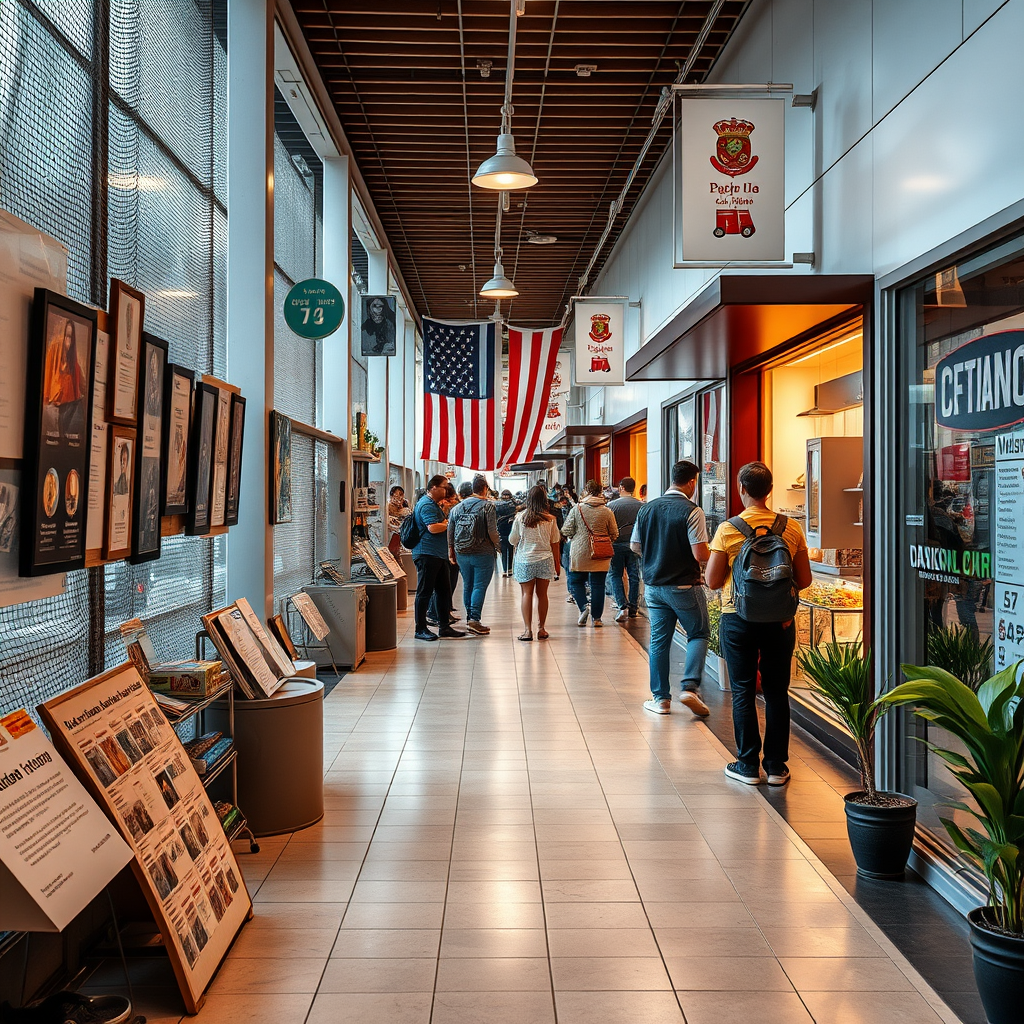
Spanish speakers in the United States have increased by over 20% in the last decade, a trend that underscores the growing influence of the Spanish language in various sectors of American life. This rise has largely been driven by two primary factors: immigration and natural growth within bilingual households. According to the U.S. Census Bureau, from 2010 to 2020, the number of individuals who speak Spanish at home has surged, reflecting broader demographic shifts and the increasing importance of Spanish as a means of communication in an increasingly globalized world.
As the Spanish-speaking population expands, it is crucial to understand the implications for education, business, and community engagement. For instance, educational institutions are adapting to meet the needs of a diverse student body, which includes a significant number of Spanish-speaking students. Additionally, businesses are recognizing the economic potential of this demographic, leading to more targeted marketing strategies and product offerings.
Demographics of Spanish Speakers
The demographic landscape of Spanish speakers in the U.S. is diverse, with the majority of speakers identifying as being of Mexican descent, accounting for about 62% of the total Spanish-speaking population. This is followed by significant populations from Puerto Rico, Cuba, and various Central American countries, including Guatemala and El Salvador. Each of these groups contributes unique cultural elements, enriching the broader American landscape.
Understanding the demographics of Spanish speakers is vital for various sectors, including education, healthcare, and commerce. Tailoring services and outreach efforts to meet the needs of these communities can foster better integration and cultural appreciation.
Geographic Distribution of Spanish Speakers
Spanish speakers are concentrated in specific regions across the United States, with states like California, Texas, and Florida leading in numbers. Urban areas, particularly cities like Los Angeles, Miami, and New York, showcase the largest Spanish-speaking communities, creating vibrant cultural hubs where the Spanish language thrives.
The following table illustrates the top states with the highest concentrations of Spanish speakers:
Top 7 States by Spanish Speakers (2023)
| # | State | Spanish Speakers | Percentage of Population |
|---|---|---|---|
| 1 | California | 10.6 million | 28.5% |
| 2 | Texas | 9.6 million | 30.7% |
| 3 | Florida | 5.8 million | 25.3% |
| 4 | New York | 3.5 million | 17.5% |
| 5 | Illinois | 2.3 million | 19.0% |
| 6 | Arizona | 1.1 million | 25.8% |
| 7 | New Jersey | 1.7 million | 17.2% |
Spanish Language in Education
Spanish is the most taught language in U.S. schools, with millions of students enrolled in Spanish classes. The growing number of Spanish speakers has prompted educational institutions to enhance their language programs, ensuring that students can communicate effectively in both English and Spanish.
Bilingual education programs are gaining traction in response to the increasing number of Spanish-speaking students, particularly in areas with high concentrations of Latino populations. These programs not only promote language proficiency but also aim to preserve cultural identity and heritage among students. Research indicates that bilingual education can lead to improved cognitive skills and academic performance.
Furthermore, universities are recognizing the need for Spanish language courses tailored to specific fields, such as healthcare and business, thereby preparing students for a multicultural workforce. This emphasis on education serves to bridge gaps between communities and enhance social cohesion.
Cultural Impact of Spanish Speakers
The contributions of Spanish speakers to the U.S. economy, arts, and culture are profound. Hispanic and Latino communities are vital to the American economy, contributing over $2.6 trillion in purchasing power. Their influence is evident in various aspects of American life, from cuisine to music and media.
The fusion of cultures has led to the emergence of unique culinary traditions, with dishes such as tacos, empanadas, and ceviche becoming staples in American households. In music, genres like reggaeton and Latin pop have garnered immense popularity, transcending cultural boundaries and impacting mainstream music charts.
Furthermore, the representation of Spanish speakers in media and entertainment has increased, with more films, television shows, and literature showcasing Latino stories and perspectives. This cultural exchange enriches the American narrative, fostering greater understanding and appreciation of diversity.
Challenges Faced by Spanish Speakers
Despite the growth of the Spanish-speaking population, many individuals face significant challenges in education, employment, and access to resources. Language proficiency remains a critical barrier, as limited English skills can hinder job opportunities and access to essential services.
Many Spanish speakers encounter systemic inequalities that affect their educational attainment and economic mobility. For instance, students in bilingual education programs may not receive the same resources as their English-speaking peers, leading to disparities in academic performance.
Moreover, discrimination and social stigma can further exacerbate challenges faced by Spanish speakers, making it imperative to advocate for inclusive policies and practices that address these issues. Community organizations play a crucial role in providing support and resources to help Spanish speakers navigate these barriers.
In summary, the number of Spanish speakers in the U.S. continues to rise, reflecting both demographic shifts and cultural contributions. Understanding this population’s dynamics can help foster inclusivity and appreciation for the diverse tapestry of American society. For those interested in learning more about the Spanish-speaking community or engaging with cultural events, consider exploring local organizations or language classes in your area. This engagement not only enriches personal experiences but also contributes to a more connected and culturally aware society.
Frequently Asked Questions
How many Spanish speakers are there in the United States?
As of 2023, there are approximately 41 million Spanish speakers in the United States, making it the second-largest Spanish-speaking country in the world after Mexico. This number continues to grow, reflecting the increasing Hispanic population and the importance of Spanish in American culture and daily life.
Why is Spanish the second most spoken language in the U.S.?
Spanish is the second most spoken language in the U.S. primarily due to immigration from Latin American countries, where Spanish is the dominant language. Additionally, the historical presence of Spanish-speaking communities and the cultural influence of Hispanic heritage contribute to its widespread use across the nation.
What states have the highest number of Spanish speakers?
The states with the highest number of Spanish speakers include California, Texas, and Florida, with significant populations also in New York and Illinois. These states have large Hispanic communities, which enhance the prevalence of Spanish in both social and economic contexts.
How does the number of Spanish speakers in the U.S. compare to other languages?
Spanish is the most widely spoken language in the U.S. after English, surpassing languages such as Chinese, Tagalog, and Vietnamese. This prominence reflects the demographic trends and cultural integration of Spanish-speaking populations, emphasizing the language’s significance in American society.
Which age groups are most likely to speak Spanish in the U.S.?
Spanish is most commonly spoken among younger generations, particularly children of Hispanic immigrants, who often grow up bilingual. However, a significant number of older adults also speak Spanish, particularly in communities with established Hispanic populations, highlighting the language’s intergenerational presence.
References
- https://www.census.gov/library/stories/2019/08/spanish-speaking-population-in-the-us.html
https://www.census.gov/library/stories/2019/08/spanish-speaking-population-in-the-us.html - https://www.cdc.gov/nchs/data/nhis/earlyrelease/Spanish_Speaking_2019.pdf
https://www.cdc.gov/nchs/data/nhis/earlyrelease/Spanish_Speaking_2019.pdf - https://www.migrationpolicy.org/article/facts-about-latinos-in-the-united-states
https://www.migrationpolicy.org/article/facts-about-latinos-in-the-united-states - Spanish language | History, Speakers, & Dialects | Britannica
https://www.britannica.com/topic/Spanish-language - Google Scholar Google Scholar
https://scholar.google.com/scholar?q=spanish+speakers+in+the+united+states - Google Scholar Google Scholar
https://scholar.google.com/scholar?q=prevalence+of+spanish+speakers+in+the+US - Google Scholar Google Scholar
https://scholar.google.com/scholar?q=demographics+of+spanish+speakers+in+the+US - UK age distribution 2024| Statista
https://www.statista.com/statistics/270370/number-of-spanish-speakers-in-the-us/ - Google Scholar Google Scholar
https://scholar.google.com/scholar?q=how+many+spanish+speakers+in+the+united+states - how many spanish speakers in the united states – Search results
https://en.wikipedia.org/wiki/Special:Search?search=how+many+spanish+speakers+in+the+united+states
