


Changing car speakers is a straightforward process that can significantly enhance your audio experience. By following a few essential steps and having the right tools, you can replace your old speakers with new ones, improving sound quality and performance. This guide will walk you through everything you need to know to successfully change your car speakers, ensuring a seamless transition to better sound.
Gather Necessary Tools and Materials
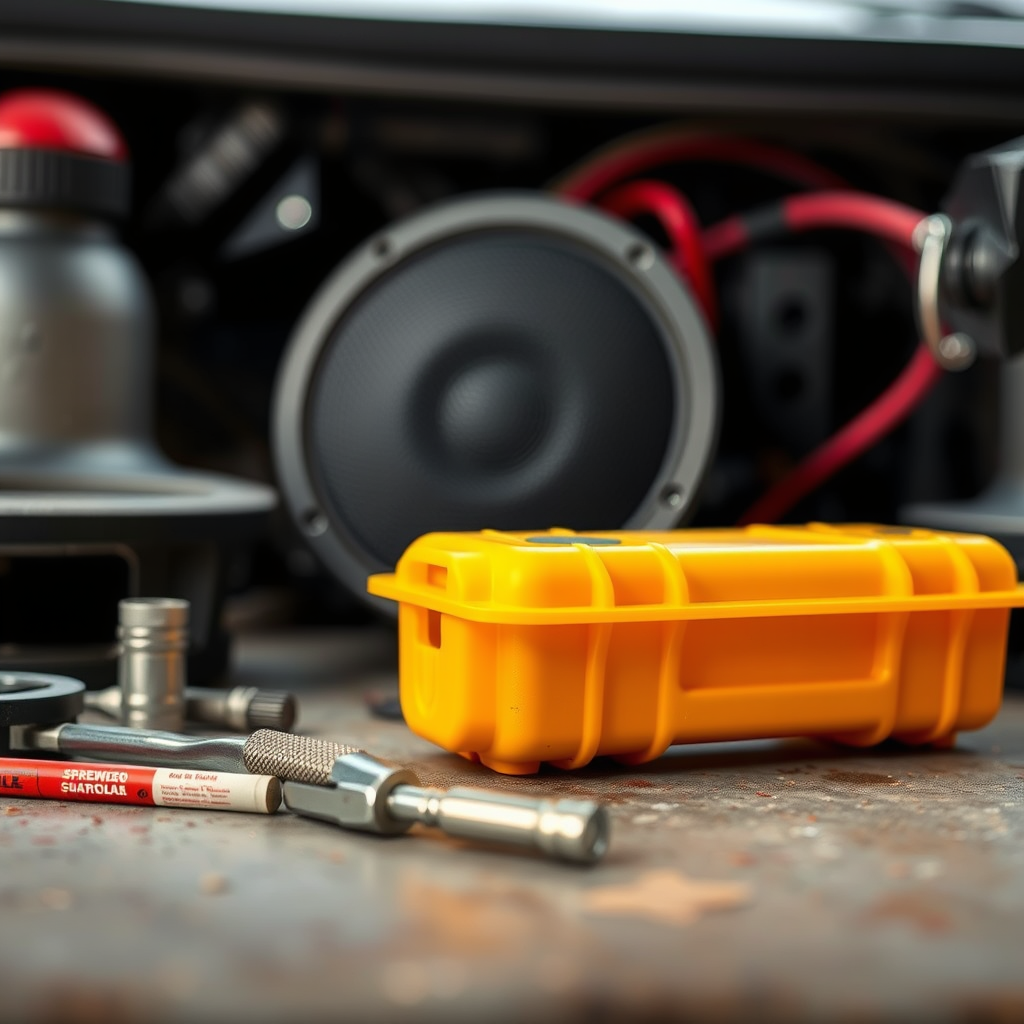
Before you embark on your speaker replacement journey, it’s crucial to gather all necessary tools and materials to ensure a smooth installation. Here’s a detailed list:
– Screwdrivers (Philips and flathead): These are essential for removing the speaker grilles and securing the new speakers in place. A set that includes various sizes will make the job easier.
– Wire strippers and connectors: Depending on the connections of your new speakers, you may need wire strippers to prepare the wires and connectors to secure the connections. This ensures a proper fit and prevents future issues.
– New speakers that fit your vehicle: Selecting speakers that are compatible with your car model is vital. Make sure to check the specifications, including size, impedance, and power handling, to ensure optimal performance.
Remove the Old Speakers
The first step in replacing your car speakers is to remove the old ones. Follow these guidelines for a hassle-free removal:
– Carefully detach the speaker grilles: Most speaker grilles can be popped off without tools, but some may require a flathead screwdriver. Be gentle to avoid damaging the grille or surrounding dashboard components.
– Unscrew and disconnect the old speakers: Once the grilles are removed, locate the screws holding the speakers in place. Use the appropriate screwdriver to unscrew and carefully pull the speakers away from their mounting brackets. Disconnect the wiring harness by gently pulling apart the connectors, ensuring not to damage the wires.
Prepare for Installation
Preparation is essential for a successful installation of your new speakers. Here are the steps to follow:
– Clean the speaker mounting area: Before installing the new speakers, clean the mounting area to remove dust, debris, and any old adhesive. This ensures a secure fit and helps prevent rattling sounds in the future.
– Strip the ends of the speaker wires: If your new speakers do not come with connectors already attached, strip about half an inch of insulation from the ends of the speaker wires. This will allow for a secure connection to the new speakers.
Top 7 Car Speaker Brands (2023)
| # | Brand | Price Range | Power Handling | Customer Rating |
|---|---|---|---|---|
| 1 | JBL | $50 – $300 | 25 – 300W | ★★★★☆ |
| 2 | Pioneer | $60 – $250 | 30 – 350W | ★★★★★ |
| 3 | Kenwood | $70 – $300 | 25 – 400W | ★★★★☆ |
| 4 | Alpine | $80 – $400 | 50 – 300W | ★★★★☆ |
| 5 | Rockford Fosgate | $90 – $350 | 35 – 500W | ★★★★★ |
| 6 | Infinity | $75 – $300 | 20 – 400W | ★★★★☆ |
| 7 | Sony | $60 – $250 | 30 – 350W | ★★★★☆ |
Install the New Speakers
Once the old speakers have been removed and you’ve prepared the mounting area, it’s time to install the new speakers. Follow these steps for a successful installation:
– Connect the new speakers to the wiring harness: Ensure that you connect the positive wire (usually marked with a red or white stripe) to the positive terminal of the speaker, and the negative wire to the negative terminal. This is crucial for maintaining correct polarity and ensuring optimal sound quality.
– Secure the speakers in place: Once the speakers are connected, align them with the mounting brackets and secure them using the screws you previously removed. Make sure they are firmly in place to avoid vibrations while driving.
– Replace the grilles: Finally, snap the speaker grilles back into place, ensuring they fit snugly without any gaps.
Test the New Speakers
After installation, it’s critical to test the new speakers to ensure they are functioning properly. Here’s how to do it:
– Turn on your car and play music: Start your vehicle and play a variety of music genres to assess the speaker performance. Listen for clarity, bass response, and overall sound quality.
– Adjust settings on your stereo: Take the time to adjust the treble, bass, and balance settings on your stereo system. This will help you optimize the sound experience based on the characteristics of your new speakers.
Troubleshooting Common Issues
If you encounter issues after installation, don’t panic. Here are some common problems and their solutions:
– If speakers do not work: Double-check all connections to ensure that they are secure and that the polarity is correct. A loose connection can result in poor sound quality or no sound at all.
– Inspect for any blown fuses or damaged wiring: If the speakers still do not work, check the vehicle’s fuse box for any blown fuses related to the audio system. Additionally, inspect the wiring for any signs of damage that may have occurred during installation.
Maintenance Tips for Longevity
To ensure your new speakers last as long as possible, consider the following maintenance tips:
– Regularly clean speaker grilles and check connections: Dust and debris can accumulate over time, affecting sound quality. Use a soft cloth to clean the grilles periodically and check the connections to ensure they remain secure.
– Avoid exposing speakers to extreme temperatures: Extreme heat or cold can damage speakers and affect their performance. Whenever possible, park your vehicle in shaded areas or use sunshades to minimize temperature extremes inside the car.
In summary, changing your car speakers involves several straightforward steps from gathering tools to testing the installation. By following this guide, you can enhance your driving experience with improved sound quality. Ready to enjoy better sound? Take action today and transform your audio experience on the road!
Frequently Asked Questions
How do I know if I need to change my car speakers?
You may need to change your car speakers if you notice distorted sound, a lack of bass, or if the speakers are completely silent. Additionally, if you experience crackling noises or if the speakers are old and worn out, it’s a good indication that replacement is necessary for better audio quality.
What tools do I need to change car speakers?
To change car speakers, you’ll typically need a screwdriver set (both Phillips and flathead), a socket wrench, and possibly panel removal tools to access the speaker locations. Having wire connectors and electrical tape on hand can also be helpful for secure connections during the installation.
How do I replace car speakers step by step?
To replace car speakers, start by removing the speaker grills and unscrewing the old speakers from their mounts. Disconnect the wiring harness, then connect the new speakers, ensuring the polarity is correct. Finally, secure the new speakers in place, replace the grills, and test the sound before putting everything back together.
Why are aftermarket speakers better than factory speakers?
Aftermarket speakers are often better than factory speakers because they are designed with superior materials and technology, resulting in improved sound quality and durability. They also offer a wider range of frequencies and better power handling, allowing for a more enjoyable listening experience in your car.
Which brands are the best for car speakers?
Some of the best brands for car speakers include JBL, Pioneer, Alpine, and Rockford Fosgate, known for their high-quality sound and durability. When selecting speakers, consider factors such as your budget, the type of music you listen to, and whether you prefer component or coaxial speakers for optimal performance.
References
- Vehicle audio
https://en.wikipedia.org/wiki/Car_audio_system - https://www.edmunds.com/car-technology/how-to-install-new-car-speakers.html
https://www.edmunds.com/car-technology/how-to-install-new-car-speakers.html - https://www.crutchfield.com/S-2twhx6n4n4Y/learn/how-to-replace-your-car-speakers.html
https://www.crutchfield.com/S-2twhx6n4n4Y/learn/how-to-replace-your-car-speakers.html - SAE International | Advancing mobility knowledge and solutions
https://www.sae.org/publications/technical-papers/content/2017-01-1140/ - Google Scholar Google Scholar
https://scholar.google.com/scholar?q=how+to+change+car+speakers - Google Scholar Google Scholar
https://scholar.google.com/scholar?q=car+audio+system+installation - Google Scholar Google Scholar
https://scholar.google.com/scholar?q=automotive+speaker+replacement - https://www.automotive.com/how-to/how-to-replace-car-speakers-120255/
https://www.automotive.com/how-to/how-to-replace-car-speakers-120255/ - how to change car speakers – Search results
https://en.wikipedia.org/wiki/Special:Search?search=how+to+change+car+speakers - https://www.ncbi.nlm.nih.gov/search/research-articles/?term=how+to+change+car+speakers
https://www.ncbi.nlm.nih.gov/search/research-articles/?term=how+to+change+car+speakers
