


Changing the speakers in your car can dramatically improve your audio quality, making your driving experience more enjoyable. This is a manageable DIY project that many car enthusiasts can undertake with relative ease. By following this step-by-step guide, you will learn not only how to replace your car speakers but also how to select the right ones and ensure they are installed correctly for optimal performance.
Understanding Your Car’s Speaker System
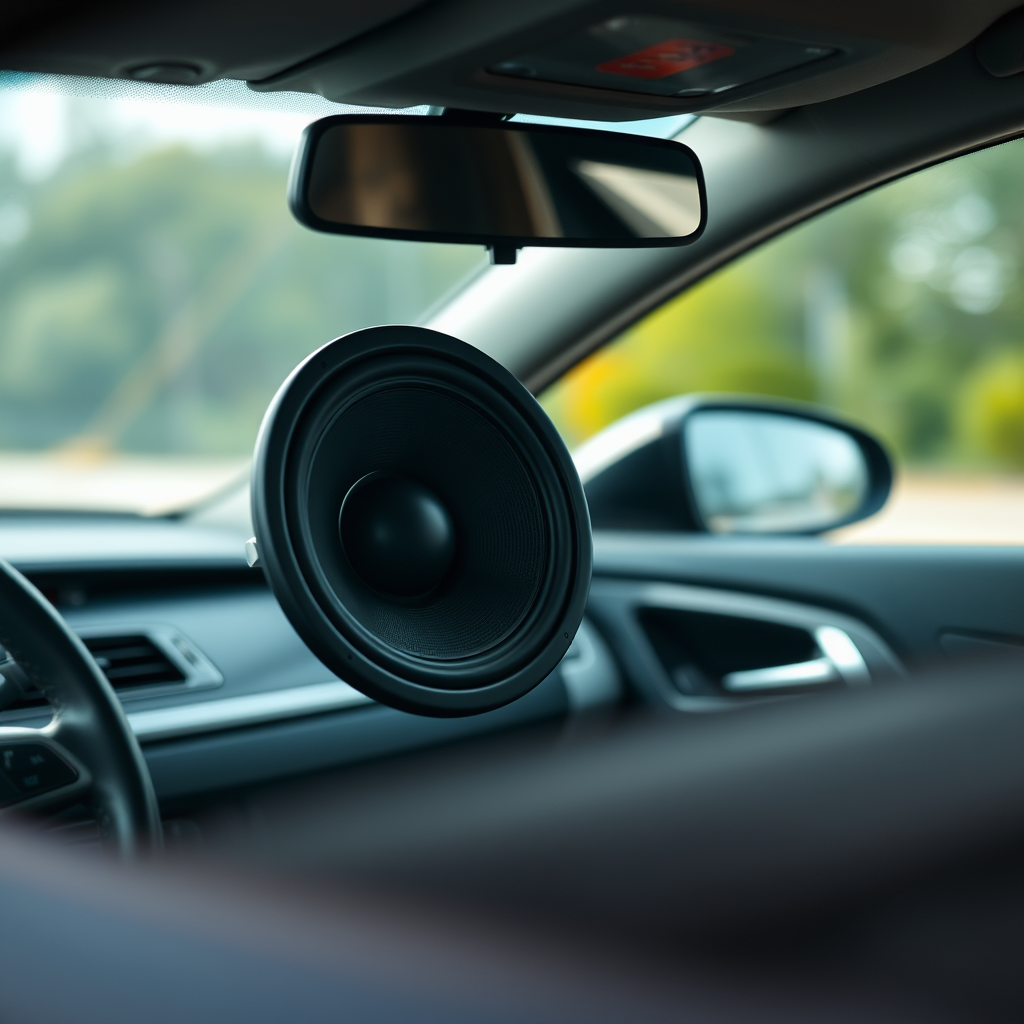
Before diving into the installation process, it’s crucial to understand the type of speaker system your vehicle employs. Most cars utilize either full-range or component speakers. Full-range speakers combine multiple sound frequencies into one unit, making them a popular choice for factory-installed systems. In contrast, component speakers separate the different frequency ranges into distinct units, allowing for better sound quality and clarity.
Additionally, checking the speaker size is paramount to ensure compatibility. Most vehicles use speakers that are either 6.5-inch or 6×9-inch, but it’s wise to consult your car’s manual or measure the existing speakers before making a purchase. This will help you avoid the hassle of returning incorrectly sized speakers.
Gathering the Necessary Tools
Before you start the installation process, gather the essential tools required for changing your car’s speakers. Here’s a list of tools you will need:
– Screwdriver Set: A set of Phillips and flathead screwdrivers will allow you to access the speaker mounting points.
– Wire Cutters: Useful for trimming and stripping speaker wires if necessary.
– Wiring Harness Adapter: This adapter helps connect new speakers to your car’s existing wiring without the need for splicing.
– Multimeter (optional): A multimeter is a valuable tool for testing the functionality of the old speakers before removal, ensuring you don’t replace speakers that are still operational.
By having these tools on hand, you can make the installation process smoother and more efficient.
Removing the Old Speakers
Once you’re prepared with the necessary tools, the next step is to remove the old speakers. Follow these steps for a seamless removal:
1. Detach the Speaker Grills: Start by carefully prying off the speaker grills using a flathead screwdriver or a trim removal tool. Be gentle to avoid damaging the plastic.
2. Unscrew the Speakers: With the grills removed, locate the screws that hold the speakers in place. Use the appropriate screwdriver to unscrew them and set them aside in a safe place.
3. Disconnect the Wiring Harness: Once the speakers are free, gently pull them away from the mounting area. Disconnect the wiring harness attached to the back of the speakers. This may require a little force, but be careful not to damage any wires.
Choosing the Right Replacement Speakers
Selecting the right speakers is crucial for achieving the desired audio experience. Consider the following when choosing new speakers:
– Research Brands and Models: Popular brands like Pioneer, JBL, and Kenwood offer a range of options tailored to different audio preferences. Look for brands that have good reviews and ratings.
– Specifications: Compare the specifications of potential replacements. Key features to consider include:
– Power Handling: Measured in watts, this indicates how much power a speaker can handle. Look for speakers with a higher RMS (Root Mean Square) rating for better sound quality.
– Frequency Response: This indicates the range of sounds a speaker can reproduce, typically measured in Hertz (Hz). A wider frequency response will lead to richer sound.
– Fitment: Ensure the replacement speakers match both the size and mounting style of your existing speakers.
Top 7 Car Speaker Brands and Models (2024)
| # | Brand & Model | Power Handling (RMS) | Frequency Response | Rating |
|---|---|---|---|---|
| 1 | Pioneer TS-A1686R | 350W | 30Hz – 35kHz | ★★★★☆ |
| 2 | JBL GTO629 | 300W | 45Hz – 21kHz | ★★★★★ |
| 3 | Kicker 43DSC6504 | 300W | 40Hz – 20kHz | ★★★★☆ |
| 4 | Alpine SPR-60C | 300W | 70Hz – 22kHz | ★★★★☆ |
| 5 | Rockford Fosgate R165X3 | 90W | 45Hz – 20kHz | ★★★☆☆ |
| 6 | Infinity Reference 6530CX | 270W | 55Hz – 22kHz | ★★★★★ |
| 7 | Sony XS-FB693E | 400W | 25Hz – 24kHz | ★★★★☆ |
Installing the New Speakers
With your new speakers chosen, the next step is installation. Here’s a step-by-step guide to ensure a successful setup:
1. Connect the Wiring Harness: Before securing the speakers, connect the wiring harness adapter to the new speakers, making sure to respect the polarity—positive to positive and negative to negative.
2. Secure the New Speakers: Once connected, place the new speakers in the mounting area. Use the screws you removed earlier to secure them in place, ensuring they are tightly fastened to avoid any rattling.
3. Replace the Grills: After the speakers are secured, carefully replace the speaker grills. Make sure they fit snugly and are aligned correctly.
Testing the New Setup
After installation, it’s essential to test the new speakers to ensure they work correctly. Here’s how to evaluate your new setup:
1. Play Different Audio Tracks: Select a variety of music genres to assess the sound quality. Listen for clarity, bass response, and overall balance.
2. Adjust Stereo Settings: Take the time to adjust the settings on your car stereo, including the equalizer, to optimize the sound based on your preferences. Make changes gradually to find the perfect sound.
3. Check for Distortion: Ensure there are no distortions at higher volumes. If there are, recheck the connections and ensure the speakers are not overdriven.
Maintenance Tips for Longevity
To ensure the longevity and performance of your new speakers, follow these maintenance tips:
– Regular Cleaning: Clean the speaker grills regularly to prevent dust accumulation, which can affect sound quality.
– Inspect Connections: Periodically check the wiring connections to ensure they remain secure and free from corrosion.
– Sound Settings: Avoid consistently pushing your speakers to their maximum output, as this can lead to damage over time. Instead, enjoy your audio experience at moderate levels.
By maintaining your speakers and ensuring proper connections, you can enjoy high-quality audio for many years to come.
Summarizing the process of changing your car’s speakers, it’s clear that with the right tools and steps, you can enjoy improved sound quality in no time. Don’t hesitate to dive into this project; it’s a rewarding upgrade that enhances your driving experience. For more detailed guides and tips, check out our other DIY automotive articles!
Frequently Asked Questions
What tools do I need to change the speakers in my car?
To change the speakers in your car, you will typically need a few essential tools: a screwdriver set (both Phillips and flathead), a panel removal tool, and possibly a socket wrench for any bolts. Having wire cutters and connectors can also be helpful, especially if you need to splice new speaker wires. Additionally, a multimeter can assist in checking speaker impedance and ensuring proper connections.
How do I remove the old speakers from my car?
To remove the old speakers from your car, start by disconnecting the car battery to avoid any electrical issues. Then, use the panel removal tool to gently pry open the speaker grille or cover, followed by unscrewing the mounting screws that hold the speaker in place. Disconnect the wiring harness by pressing the tab and pulling it away, and your old speakers should come out easily.
Why should I upgrade my car speakers?
Upgrading your car speakers can significantly enhance your audio experience, providing clearer sound and better bass response compared to factory-installed speakers. Many factory speakers are made with lower-quality materials that can limit sound quality. By investing in higher-quality aftermarket speakers, you can enjoy a more immersive listening experience during your drives.
What are the best speakers for upgrading my car audio system?
The best speakers for upgrading your car audio system will depend on your specific needs and budget. Popular brands like JBL, Pioneer, and Alpine offer a range of options that cater to different sound preferences and vehicle types. Look for speakers with good sensitivity ratings and power handling to ensure they complement your car’s audio system effectively.
Which is better: coaxial or component speakers for my car?
Coaxial speakers are generally easier to install and more budget-friendly, making them a great choice for casual listeners. However, component speakers provide superior sound quality by separating the elements (woofer, tweeter) for better sound staging and clarity. If you’re an audiophile or enjoy high-fidelity sound, investing in component speakers could be the better option for your car audio upgrade.
References
- Vehicle audio
https://en.wikipedia.org/wiki/Car_audio - Google Scholar Google Scholar
https://scholar.google.com/scholar?q=how+to+change+car+speakers - https://www.edmunds.com/car-audio/how-to-replace-car-speakers.html
https://www.edmunds.com/car-audio/how-to-replace-car-speakers.html - https://www.carsguide.com.au/car-advice/how-to-replace-your-cars-speakers-74258
https://www.carsguide.com.au/car-advice/how-to-replace-your-cars-speakers-74258 - Google Scholar Google Scholar
https://scholar.google.com/scholar?q=car+speaker+replacement+guide - https://www.crutchfield.com/S-5q6QxD7Fv4/learn/how-to-replace-your-car-speakers.html
https://www.crutchfield.com/S-5q6QxD7Fv4/learn/how-to-replace-your-car-speakers.html - https://www.plymouth.edu/psu/news/how-to-replace-your-car-speakers/
https://www.plymouth.edu/psu/news/how-to-replace-your-car-speakers/ - Google Scholar Google Scholar
https://scholar.google.com/scholar?q=how+to+change+the+speakers+in+a+car - how to change the speakers in a car – Search results
https://en.wikipedia.org/wiki/Special:Search?search=how+to+change+the+speakers+in+a+car - https://www.ncbi.nlm.nih.gov/search/research-articles/?term=how+to+change+the+speakers+in+a+car
https://www.ncbi.nlm.nih.gov/search/research-articles/?term=how+to+change+the+speakers+in+a+car
