


Arabic is spoken by approximately 420 million people worldwide, making it one of the most widely spoken languages globally. This significant number underscores the language’s importance in various cultures, economies, and political landscapes. In this article, we will explore the distribution of Arabic speakers, the dialects they use, and the significance of the language across different regions and demographics.
Global Distribution of Arabic Speakers
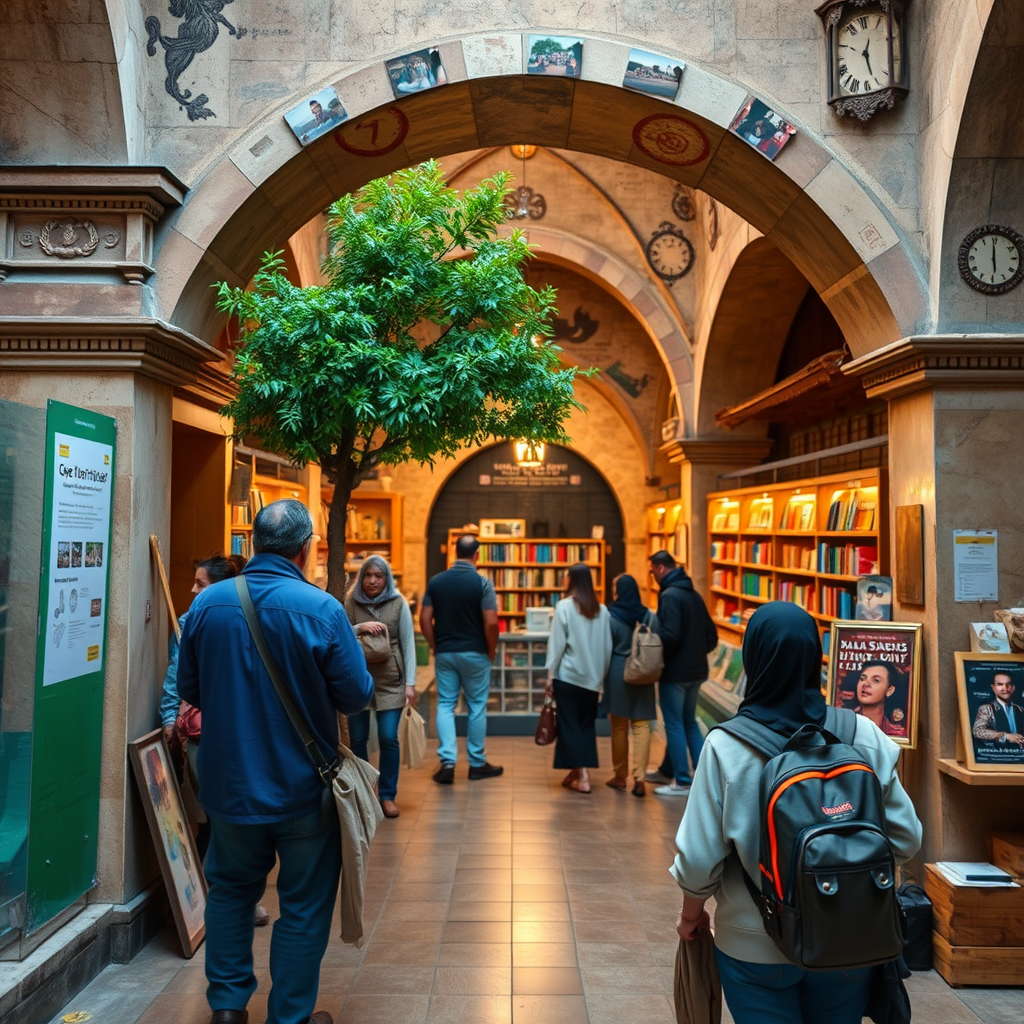
Arabic is an official language in 22 countries, primarily in the Middle East and North Africa (MENA) region. This widespread distribution reflects the historical and cultural significance of the language, which has served as a unifying factor in a diverse array of societies. The largest populations of Arabic speakers are found in Egypt, Sudan, Algeria, and Iraq.
Egypt is home to the highest number of Arabic speakers, with approximately 100 million people using Arabic as their primary language. Following Egypt, Sudan has around 43 million speakers, while Algeria and Iraq each boast populations of about 43 million and 40 million Arabic speakers, respectively. This demographic diversity is crucial for understanding the various dialects and cultural practices associated with the Arabic language.
Dialects of Arabic
Arabic consists of numerous dialects that can vary significantly from one region to another. These dialects are often grouped into five primary categories:
1. Maghrebi Arabic (Northwest Africa) – includes dialects from Morocco, Algeria, Tunisia, and Libya.
2. Egyptian Arabic – prevalent in Egypt and widely recognized due to its influence in film and media.
3. Levantine Arabic – spoken in countries such as Lebanon, Syria, Jordan, and Palestine.
4. Gulf Arabic – found in the Arabian Peninsula, notably in Saudi Arabia, the UAE, and Kuwait.
5. Sudanese Arabic – unique to Sudan, reflecting its cultural and historical context.
Modern Standard Arabic (MSA) is the formal version of the language used in literature, news media, and official communications. It serves as a lingua franca across the Arab world, allowing speakers of different dialects to communicate effectively. However, local dialects dominate everyday conversation, leading to a rich tapestry of linguistic diversity.
Arabic Speakers in the Diaspora
Significant Arabic-speaking communities exist in Europe, North America, and Australia due to migration patterns over the last few decades. Countries such as France, Germany, and the United States have seen substantial increases in their Arabic-speaking populations, driven by factors such as economic opportunities, educational pursuits, and political instability in various Arab nations.
Estimates suggest that there are around 6 million Arabic speakers in France, primarily due to historical ties and immigration from former French colonies in North Africa. In the United States, the Arabic-speaking community is estimated to be over 1.5 million, with significant populations in cities like Detroit, Los Angeles, and New York. The number of Arabic speakers in the diaspora is growing, contributing to cultural diversity in these regions and fostering multicultural interactions.
Top 7 Countries by Number of Arabic Speakers (2023)
| # | Country | Arabic Speakers (millions) | Percentage of Population (%) | Major Dialect |
|---|---|---|---|---|
| 1 | Egypt | 100 | 100% | Egyptian Arabic |
| 2 | Sudan | 43 | 85% | Sudanese Arabic |
| 3 | Algeria | 43 | 99% | Maghrebi Arabic |
| 4 | Iraq | 40 | 98% | Mesopotamian Arabic |
| 5 | Saudi Arabia | 34 | 98% | Gulf Arabic |
| 6 | Morocco | 32 | 99% | Maghrebi Arabic |
| 7 | Yemen | 30 | 99% | Yemeni Arabic |
The Impact of Arabic Language on Culture
Arabic is not just a means of communication; it carries rich literary, historical, and cultural significance. The language has a profound influence on art, music, literature, and philosophy, shaping the cultural identity of countless communities.
Classical Arabic literature, represented by works such as “One Thousand and One Nights” and the poetry of Rumi and Khalil Gibran, showcases the richness of the language and its aesthetic beauty. The Arabic script is also notable for its artistic expression, particularly in calligraphy, which is a revered art form across the Islamic world.
Furthermore, Arabic has significantly influenced many other languages and cultures, especially in the fields of science, mathematics, and philosophy. Terms from Arabic have permeated languages such as Spanish, Portuguese, and even English, especially in areas related to mathematics, astronomy, and medicine.
The Future of the Arabic Language
Despite its rich heritage and global significance, Arabic is facing challenges such as the dominance of English in global communication. The increasing use of English in professional and educational contexts poses a threat to the prevalence of Arabic, particularly among younger generations who may prioritize English over their native language.
However, efforts are underway to promote the Arabic language and preserve its rich heritage through education and media. Initiatives aimed at enhancing Arabic literacy, providing resources for language learning, and encouraging the use of Arabic in digital platforms are crucial steps towards ensuring the language’s continuity.
Organizations like the Arab League and various educational institutions are actively involved in promoting Arabic language initiatives, aiming to foster a new generation of Arabic speakers who appreciate their linguistic heritage and cultural identity.
The Role of Technology in Arabic Language Learning
The rise of technology has transformed the landscape of language learning, and Arabic is no exception. Online resources and mobile apps are enhancing access to Arabic language education, making it easier for learners around the world to connect with this rich language.
Platforms such as Duolingo, Rosetta Stone, and Busuu offer structured Arabic courses that cater to various proficiency levels, allowing users to learn at their own pace. Additionally, social media platforms are fostering a new generation of Arabic speakers and language enthusiasts, creating communities where learners can practice speaking and writing in Arabic.
The use of technology in language learning also includes the availability of Arabic content on streaming services, podcasts, and YouTube channels, which provide learners with exposure to different dialects and cultural contexts. This multifaceted approach to learning Arabic not only enhances linguistic skills but also deepens cultural understanding.
Summarizing the key points discussed, it’s clear that Arabic is a vital language with a significant global presence, diverse dialects, and cultural importance. For those interested in learning Arabic or understanding its impact, exploring online resources and engaging with Arabic-speaking communities can be valuable next steps. As the world continues to evolve, the Arabic language remains an essential component of global discourse, bridging cultures and fostering understanding.
Frequently Asked Questions
How many Arabic speakers are there in the world?
As of 2023, there are approximately 420 million native Arabic speakers worldwide. This number continues to grow due to the increasing population in Arabic-speaking countries and the spread of the language among diaspora communities.
What countries have the highest number of Arabic speakers?
The countries with the highest number of Arabic speakers include Egypt, Sudan, Algeria, and Iraq, with each having significant populations that speak Arabic as their primary language. Additionally, countries like Saudi Arabia and Morocco also contribute a large number of Arabic speakers due to their cultural and economic significance in the Arab world.
Why is Arabic considered one of the most spoken languages globally?
Arabic is considered one of the most spoken languages globally due to its historical significance, cultural richness, and the large population of Arabic-speaking countries. The language is also the liturgical language of Islam, which adds to its prominence as millions of Muslims around the world learn Arabic for religious purposes.
Which dialects of Arabic are most commonly spoken today?
The most commonly spoken dialects of Arabic today include Egyptian Arabic, Levantine Arabic, and Gulf Arabic, among others. Each dialect has its unique characteristics and variations, contributing to the rich diversity of the Arabic language across different regions.
How is the Arabic language evolving in the modern world?
The Arabic language is evolving in the modern world through increased use in digital communication, social media, and global media outlets. This evolution includes the emergence of new slang, the blending of dialects, and the influence of technology, which is reshaping how Arabic is spoken and written among younger generations.
References
- Arabic
https://en.wikipedia.org/wiki/Arabic_language - Arabic language | History & Alphabet | Britannica
https://www.britannica.com/topic/Arabic-language - https://www.ethnologue.com/language/ara
https://www.ethnologue.com/language/ara - Spotlighting The World Factbook as We Bid a Fond Farewell – CIA
https://www.cia.gov/the-world-factbook/countries/arab-world/ - Google Scholar Google Scholar
https://scholar.google.com/scholar?q=number+of+arabic+speakers - Google Scholar Google Scholar
https://scholar.google.com/scholar?q=Arabic+language+speakers+statistics - Google Scholar Google Scholar
https://scholar.google.com/scholar?q=global+arabic+speaking+population - https://www.reuters.com/article/us-arabic-language-idUSKBN2A30G
https://www.reuters.com/article/us-arabic-language-idUSKBN2A30G - Google Scholar Google Scholar
https://scholar.google.com/scholar?q=how+many+arabic+speakers+in+the+world - how many arabic speakers in the world – Search results
https://en.wikipedia.org/wiki/Special:Search?search=how+many+arabic+speakers+in+the+world
