

Connecting speaker wire to speakers is a straightforward process that can enhance your audio experience. By properly wiring your speakers, you ensure optimal sound quality and performance. This guide will walk you through the necessary steps to connect speaker wire to your speakers easily and effectively.
Understanding Speaker Wire
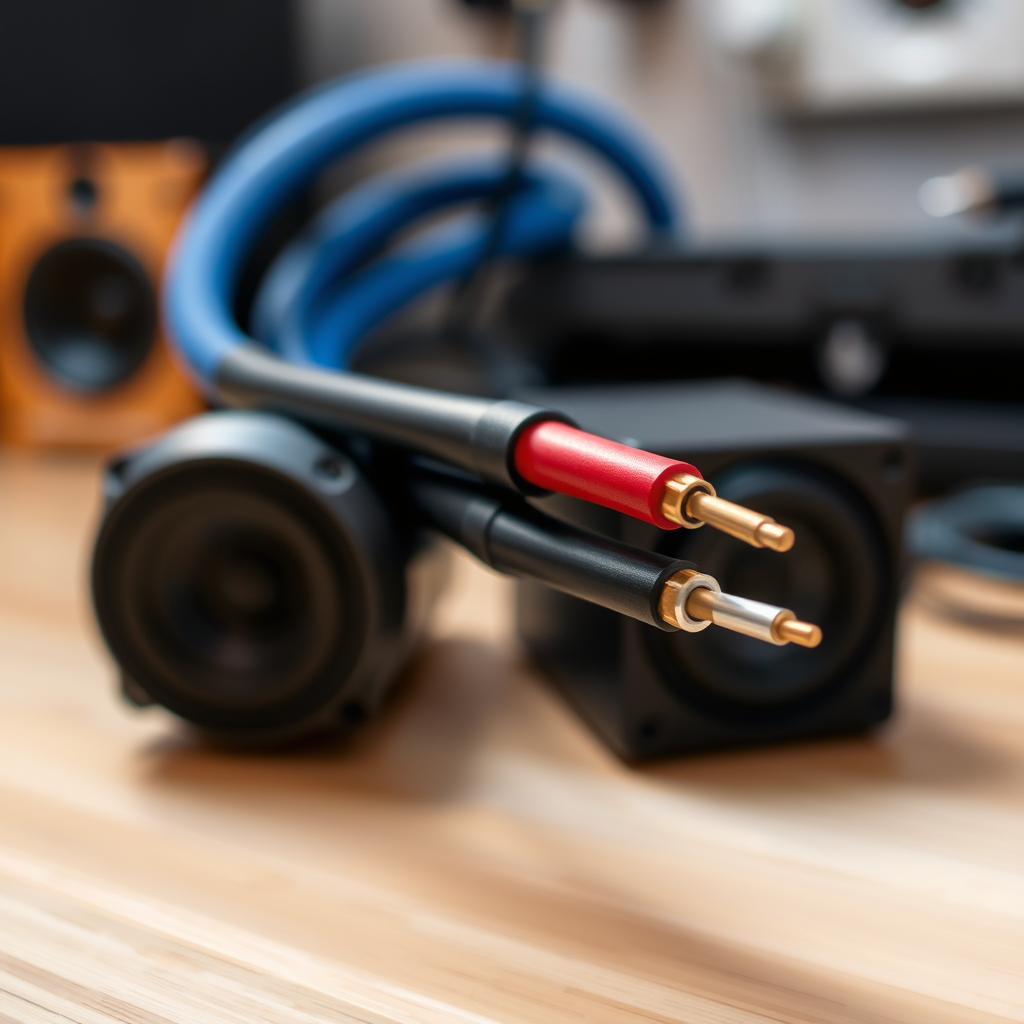
When it comes to connecting speakers, understanding the type of speaker wire you’re using is crucial. There are primarily two types of speaker wire: stranded and solid core. Stranded wire consists of multiple small strands of copper wire twisted together, providing flexibility and ease of installation, making it suitable for most home audio setups. Solid core wire, on the other hand, consists of a single solid conductor, which can offer slightly better conductivity and is often used in permanent installations.
Another vital aspect to consider is the gauge of the wire. The gauge refers to the thickness of the wire, with lower numbers indicating thicker wire. Thicker wire (lower gauge) is better for long runs, as it minimizes resistance, which can adversely affect sound quality. For most home audio applications, 16-gauge wire is a common choice, while 14-gauge may be used for longer distances or more powerful systems.
Preparing the Speaker Wire
Before connecting the speaker wire to your speakers, you need to prepare it properly. Stripping the wire is the first step, which involves removing a section of insulation from each end of the wire. Use a wire stripper to avoid damaging the strands. Aim to strip about half an inch of insulation, ensuring that you do not nick the wire itself, as this can lead to poor connections and audio performance.
Once you’ve stripped the wire, it’s essential to measure the length needed for your setup accurately. Measure from your amplifier or receiver to your speakers, factoring in any curves or bends that the wire may need to navigate. It’s advisable to add a little extra length to ensure ease of connection and to avoid tension on the wire.
Connecting to the Speakers
Identifying the terminals on your speakers is the next crucial step. Most speakers will have two terminals, one marked with a positive (+) sign and the other with a negative (-) sign. It’s important to connect the speaker wire correctly to avoid phase issues, which can lead to sound quality problems.
To insert the stripped wire into the terminals, first, loosen the terminal screws or pull on the spring-loaded clips. Insert the stripped end of the wire into the corresponding terminal, ensuring that the copper strands are fully inserted and not touching the other terminal. After inserting the wire, securely tighten the screws or release the clips to hold the wire in place.
Top 7 Speaker Wire Types and Characteristics
| # | Wire Type | Gauge | Length | Flexibility |
|---|---|---|---|---|
| 1 | Stranded Wire | 16 | 50 ft | High |
| 2 | Solid Core Wire | 14 | 100 ft | Low |
| 3 | OFC Wire | 16 | 25 ft | High |
| 4 | Copper Clad Aluminum | 18 | 50 ft | Medium |
| 5 | Multi-stranded Wire | 16 | 75 ft | High |
| 6 | High Strand Count | 14 | 30 ft | Very High |
| 7 | Low Oxygen Copper | 16 | 100 ft | High |
Connecting to the Amplifier or Receiver
After connecting the wire to your speakers, the next step is to connect it to your amplifier or receiver. Similar to your speakers, the amplifier will also have positive and negative terminals. It’s crucial to maintain consistent polarity; this means that the positive terminal on the amplifier should be connected to the positive terminal on the speaker wire and the same for the negative terminals.
To connect the wire, loosen the terminal screws on the amplifier, insert the stripped wire, and then tighten the screws securely. Ensuring a tight connection is essential, as loose connections can lead to poor audio performance and could potentially damage your equipment. Regularly check these connections, especially if you notice any audio issues over time.
Testing Your Connection
Once all your connections are made, it’s time to power on your audio system. Before doing so, double-check all connections to ensure they are secure and correctly oriented. When powering on, start at a low volume to avoid any sudden loud noises that could damage your speakers.
After powering on, play a track you are familiar with to test your speakers. Listen closely for clarity, balance, and absence of distortion. If you hear any irregularities, double-check your connections and ensure that there is no short circuit, which can occur if the stripped wire touches another terminal.
Troubleshooting Common Issues
Despite careful installation, issues may arise. If you experience no sound from your speakers, first check the power and volume settings on your amplifier or receiver. Additionally, inspect all connections to ensure they are secure and correctly aligned.
For intermittent sound or distortion, this often indicates loose connections. Inspect each connection point and ensure that the wire is properly secured in the terminals. If problems persist, consider testing with a different set of wires or speakers to isolate the issue.
In summary, connecting speaker wire to your speakers is an essential skill for any audio enthusiast. By following the outlined steps, you can ensure a strong and secure connection, allowing you to enjoy high-quality sound. If you encounter any issues, refer to the troubleshooting tips to resolve them quickly. Get started today and experience the difference in your audio setup!
Frequently Asked Questions
How do I determine which speaker wire to use for my speakers?
When selecting speaker wire, consider the gauge (thickness) and the length needed for your setup. For most home audio systems, 16-gauge wire is sufficient for runs up to 50 feet, while 14-gauge is better for longer distances. Additionally, ensure the wire is rated for the power your speakers require to avoid signal loss.
What is the correct way to connect speaker wire to speakers?
To connect speaker wire to your speakers, strip about half an inch of insulation from both ends of the wire. Then, twist the exposed copper strands and insert them into the binding posts or terminals on your speakers, ensuring you connect the positive and negative leads correctly to maintain proper polarity.
Why is it important to connect speaker wire properly?
Properly connecting speaker wire ensures that your audio system functions optimally and prevents phase issues that can distort sound quality. Incorrect wiring can lead to reduced performance, damage to your speakers, and an overall poor listening experience.
What are the best practices for connecting speaker wire to my audio receiver?
When connecting speaker wire to your audio receiver, make sure to turn off the system first to avoid any electrical shocks. Use the appropriate gauge wire, connect the positive terminal on the receiver to the positive terminal on the speaker, and double-check your connections for security and accuracy to ensure optimal sound performance.
Which type of connectors should I use for my speaker wire connections?
Common connector types for speaker wire include banana plugs, spade connectors, and bare wire connections. Banana plugs are user-friendly and allow for easy connection and disconnection, while spade connectors provide a secure fit; choose based on your preference and the design of your equipment.
References
- https://www.audioholics.com/how-to-connect-speakers
https://www.audioholics.com/how-to-connect-speakers - https://www.crutchfield.com/S-Q2PBX9aFrsA/learn/how-to-connect-speakers.html
https://www.crutchfield.com/S-Q2PBX9aFrsA/learn/how-to-connect-speakers.html - https://www.lifewire.com/how-to-connect-speakers-to-an-amplifier-3134691
https://www.lifewire.com/how-to-connect-speakers-to-an-amplifier-3134691 - Google Scholar Google Scholar
https://scholar.google.com/scholar?q=how+to+connect+speaker+wire+to+speakers - Google Scholar Google Scholar
https://scholar.google.com/scholar?q=speaker+connection+guidelines - Google Scholar Google Scholar
https://scholar.google.com/scholar?q=speaker+wire+installation+techniques - DIY Audio & Video
https://www.diyaudioandvideo.com/how-to-connect-speaker-wire-to-speakers/ - Spike could be your next Google Inbox substitute | The Verge
https://www.theverge.com/2019/4/3/18291982/how-to-connect-wireless-speakers-guide - how to connect speaker wire to speakers – Search results
https://en.wikipedia.org/wiki/Special:Search?search=how+to+connect+speaker+wire+to+speakers - https://www.ncbi.nlm.nih.gov/search/research-articles/?term=how+to+connect+speaker+wire+to+speakers
https://www.ncbi.nlm.nih.gov/search/research-articles/?term=how+to+connect+speaker+wire+to+speakers

[…] by testing your connection—use Wi‑Fi or Ethernet, but Ethernet usually reduces buffering for PPV live streams. Close […]
[…] Testing your connection before the event prevents most “last-mile” failures such as wrong input source or resolution mismatches. Keeping the Chromebook connected to power during long sessions avoids battery-related performance throttling or display shutdown behavior. […]
[…] This guide walks you through the fastest step-by-step method, from finding the Wi‑Fi settings to testing your connection so you can start streaming immediately. If Wi‑Fi isn’t reliable, you’ll also get the best […]