


Connecting speakers in parallel is a straightforward process that allows you to increase the overall sound output without significantly changing the impedance. By following a few essential steps, you can ensure that your audio system performs optimally, delivering high-quality sound that enhances your listening experience. This guide will walk you through understanding parallel wiring, the necessary tools, and step-by-step instructions to set up your speakers correctly.
Understanding Parallel Speaker Wiring
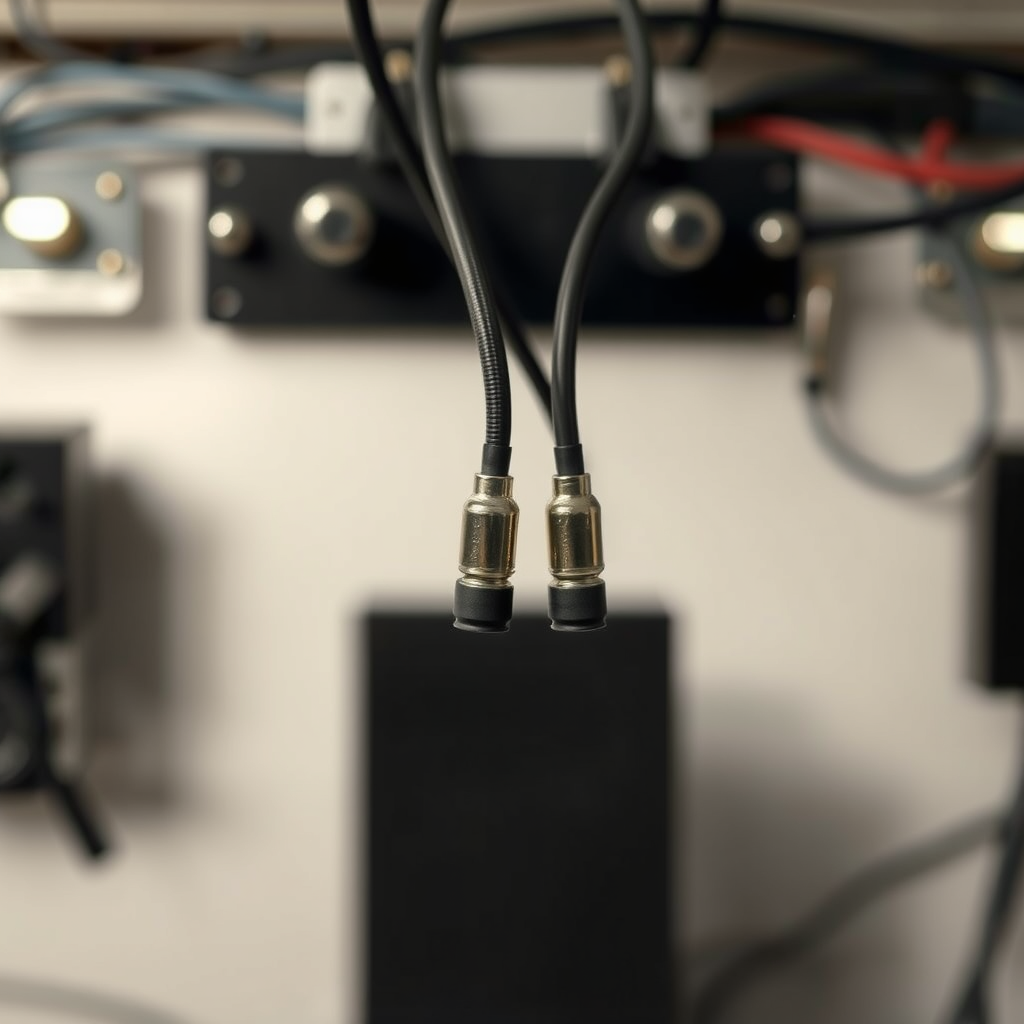
Parallel speaker wiring is a method that enables multiple speakers to connect to the same amplifier output, allowing them to work together to create a more immersive audio experience. When speakers are wired in parallel, they maintain the same voltage across all units, which enhances sound distribution throughout the space. This setup is particularly beneficial in large rooms or environments where you want to fill the area with sound without the need for excessively powerful amplifiers.
Unlike series wiring, where the total impedance increases as more speakers are added, parallel wiring reduces the total impedance, thus allowing more speakers to share the amplifier’s power. It is essential, however, to ensure that the total impedance remains within the specifications of the amplifier to avoid potential damage or sound quality issues.
Tools and Materials Needed
To successfully connect your speakers in parallel, you will need a few essential tools and materials:
– Wire Cutters and Strippers: These will help you prepare the speaker wires by cutting them to length and stripping the insulation from the ends for a secure connection.
– Speaker Wire: Choose an appropriate gauge of speaker wire, typically 16 or 14 gauge, depending on the distance and power requirements. Thicker wire can handle higher currents but may be more challenging to work with.
– Multimeter: This tool is useful for checking the impedance of your speakers if you’re unsure of their ratings. It helps ensure that your connections are sound and will not overload your amplifier.
Step-by-Step Guide to Wiring in Parallel
Connecting your speakers in parallel requires careful attention to detail. Follow these steps for a successful setup:
1. Identify Speaker Terminals: Look for the positive (+) and negative (-) terminals on each speaker. This is crucial for ensuring that the polarity remains consistent throughout your connections.
2. Connect Positive Terminals: Using your speaker wire, connect the positive terminals of all speakers together. You can use wire nuts or solder the connections for a more permanent solution. Ensure that the connections are tight and secure.
3. Connect Negative Terminals: Repeat the process for the negative terminals. Connect all the negative terminals together in the same manner, ensuring that you maintain the same polarity as with the positive connections.
4. Connect to the Amplifier: Finally, connect the joined positive wires to the positive output of the amplifier and do the same with the negative wires to the negative output.
By following these steps, you will have a robust parallel connection that maximizes your sound output while keeping impedance levels manageable.
Speaker Impedance Ratings and Compatibility
| # | Speaker Model | Impedance (Ohms) | Power Handling (W) | Best For |
|---|---|---|---|---|
| 1 | Yamaha NS-6490 | 8 | 100 | Home Theater |
| 2 | Klipsch R-41M | 8 | 75 | Compact Spaces |
| 3 | Sony SSCS5 | 6 | 100 | Versatile Use |
| 4 | Polk Audio T15 | 8 | 100 | Budget-Friendly |
| 5 | JBL Stage A130 | 8 | 130 | High Output |
| 6 | Bose 301-V | 8 | 150 | Surround Sound |
| 7 | Pioneer SP-BS22-LR | 6 | 80 | Compact Design |
Calculating Impedance in Parallel Connections
When connecting multiple speakers in parallel, understanding how to calculate the total impedance is vital to ensure compatibility with your amplifier. The formula used to determine the total impedance (R_total) of parallel speakers is as follows:
\[ \frac{1}{R_{total}} = \frac{1}{R_1} + \frac{1}{R_2} + … + \frac{1}{R_n} \]
For instance, if you connect two 8-ohm speakers in parallel, the calculation would be:
\[ \frac{1}{R_{total}} = \frac{1}{8} + \frac{1}{8} = \frac{1}{4} \Rightarrow R_{total} = 4 \, \text{ohms} \]
It is crucial to ensure that the resulting total impedance aligns with the specifications of your amplifier. If the total impedance is too low, it could lead to overheating or damage to the amplifier. Always consult your amplifier’s manual or specifications to confirm the acceptable impedance range.
Testing Your Connection
After completing the wiring process, it is essential to test your connection to ensure everything is functioning properly. Follow these steps:
1. Power On the Amplifier: Ensure that all connections are secure before turning on the amplifier to prevent any electrical issues.
2. Play Audio: Choose a track with a good balance of bass, midrange, and treble to assess the overall sound quality.
3. Listen for Distortion: Pay close attention to any distortion or imbalance in sound. If one speaker sounds quieter or is not producing sound, double-check your connections and ensure that all wires are securely attached.
4. Adjust Settings: If your amplifier has settings for balance or equalization, adjust these to achieve the best sound quality across all speakers.
Troubleshooting Common Issues
Even with careful installation, issues can arise when connecting speakers in parallel. Here are some common problems and how to troubleshoot them:
– One Speaker Not Working: If one of your speakers isn’t producing sound, first check the connections. Ensure the wire is securely connected to both the speaker and the amplifier terminals. If the connection is good, use a multimeter to check the impedance of the speaker itself.
– Short Circuits: Inspect the wiring to ensure that no wires are touching each other, which can cause a short circuit. Ensure that the insulation is intact and that there are no exposed wires.
– Imbalance in Sound Levels: If one speaker sounds significantly louder or quieter than the others, revisit your connections to confirm they are correctly wired in parallel. You may also want to adjust the balance settings on your amplifier.
Safety Precautions
When working with electrical components, safety should always be a priority. Here are some essential precautions to take:
– Turn Off Equipment: Always turn off your amplifier and unplug it from the power source before making any connections to prevent electrical shock or damage.
– Use Appropriate Wire Gauge: Avoid using wires that are too thin, as they can overheat and cause damage to your equipment. Choose a wire gauge that is suitable for your system’s power requirements.
– Check for Damage: Inspect your speaker wires for any signs of wear or damage before connecting. Damaged wires can lead to poor sound quality or electrical hazards.
In summary, connecting speakers in parallel can significantly enhance your audio experience by allowing multiple speakers to share the same amplifier output. By following the wiring guidelines and carefully calculating impedance, you can ensure that your system operates efficiently and effectively. For additional audio tips and resources, consider reaching out to an audio professional who can provide personalized advice tailored to your specific setup.
Frequently Asked Questions
What is the best way to connect speakers in parallel?
The best way to connect speakers in parallel is to ensure that all positive terminals of the speakers are connected to the positive terminal of the amplifier, and all negative terminals are connected to the negative terminal. This configuration allows each speaker to receive the same voltage while effectively lowering the overall impedance, which can provide a louder sound output.
How does connecting speakers in parallel affect impedance?
Connecting speakers in parallel decreases the overall impedance of the system. For example, if you connect two 8-ohm speakers in parallel, the total impedance becomes 4 ohms. It’s essential to ensure that your amplifier can handle the resulting impedance to avoid damage and achieve optimal performance.
Why should I connect speakers in parallel rather than series?
Connecting speakers in parallel is often preferred over series because it allows for greater power handling and maintains the volume level across all speakers. In a parallel connection, each speaker operates independently, ensuring that if one speaker is less efficient, it won’t affect the output of the others, resulting in a more balanced sound.
Which types of speakers can be connected in parallel?
Most standard speakers, including bookshelf, floor-standing, and car speakers, can be connected in parallel as long as they have compatible impedance ratings. However, it’s crucial to check the specifications of both the speakers and the amplifier to ensure they can safely handle the combined impedance without risking damage.
What are the common mistakes to avoid when connecting speakers in parallel?
Common mistakes when connecting speakers in parallel include miswiring the positive and negative terminals, leading to phase cancellation and poor sound quality, and exceeding the amplifier’s power rating. Additionally, connecting speakers with different impedance levels without considering the total load can cause an imbalance, potentially damaging the amplifier or speakers.
References
- https://en.wikipedia.org/wiki/Speaker_impedance
https://en.wikipedia.org/wiki/Speaker_impedance - https://www.sciencedirect.com/topics/engineering/loudspeaker
https://www.sciencedirect.com/topics/engineering/loudspeaker - https://pubmed.ncbi.nlm.nih.gov/
https://pubmed.ncbi.nlm.nih.gov/ - https://www.britannica.com/technology/loudspeaker
https://www.britannica.com/technology/loudspeaker - https://www.nature.com/articles/nature04566
https://www.nature.com/articles/nature04566 - https://www.electronics-tutorials.ws/io/io_5.html
https://www.electronics-tutorials.ws/io/io_5.html - https://www.audioholics.com/loudspeaker-design/understanding-parallel-and-series-speaker-wiring
https://www.audioholics.com/loudspeaker-design/understanding-parallel-and-series-speaker-wiring - https://www.ohmselectronics.com/parallel-and-series-speaker-wiring/
https://www.ohmselectronics.com/parallel-and-series-speaker-wiring/ - https://scholar.google.com/scholar?q=how+to+connect+speakers+in+parallel Google Scholar
https://scholar.google.com/scholar?q=how+to+connect+speakers+in+parallel - https://scholar.google.com/scholar?q=speaker+impedance+parallel+connection Google Scholar
https://scholar.google.com/scholar?q=speaker+impedance+parallel+connection
