


Fitting car speakers is a straightforward process that can greatly enhance your audio experience. By following the right steps, you can install new speakers in your vehicle without needing professional help. This guide will walk you through everything you need to know to successfully fit car speakers.
Understanding Your Car’s Audio System
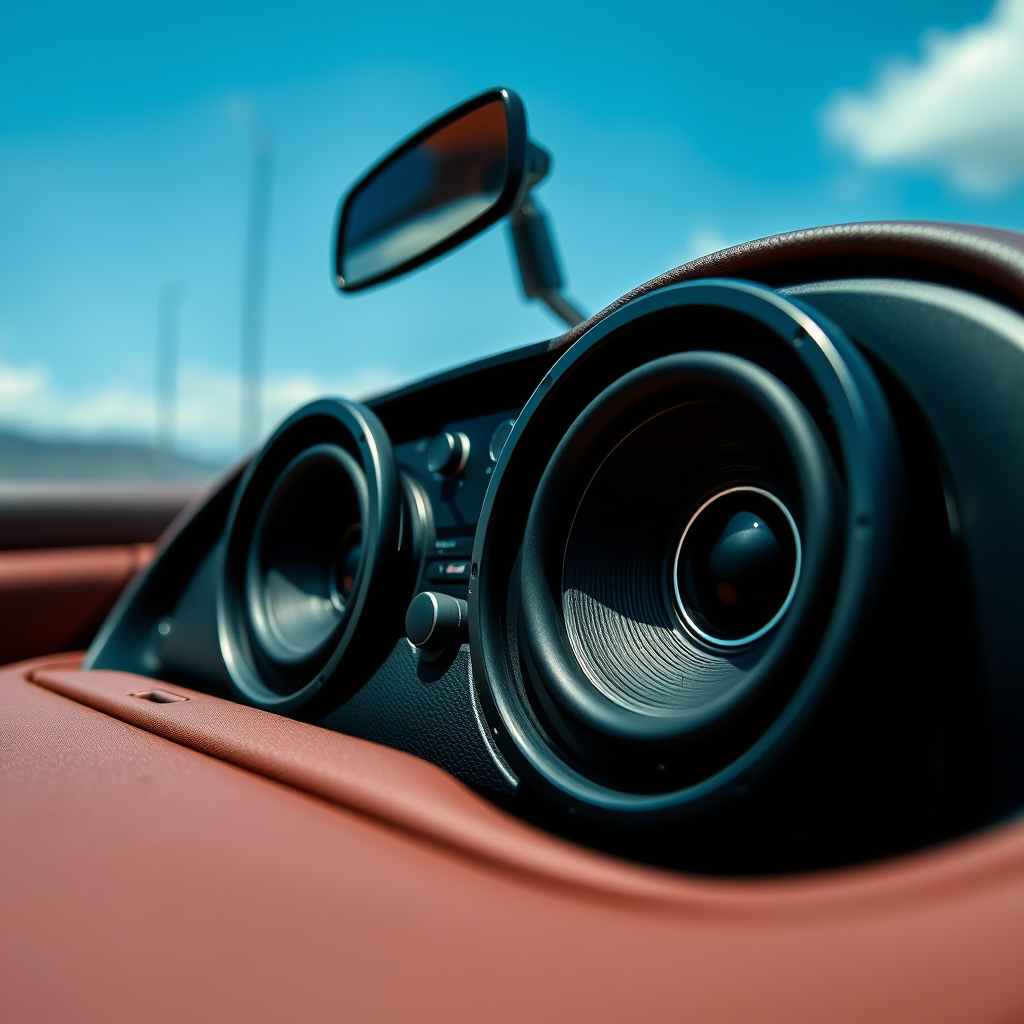
Before embarking on the installation of new car speakers, it’s vital to have a comprehensive understanding of your vehicle’s existing audio system. Start by familiarizing yourself with the current setup—this includes identifying the type of speakers (full-range speakers, component speakers, etc.) and the audio system (factory-installed or aftermarket).
Once you have this knowledge, you can make informed decisions when choosing new speakers. Look for speakers that are compatible with your vehicle’s specifications, including size and power handling capabilities. Additionally, consider your audio preferences; for instance, if you prefer deep bass, you may want to invest in subwoofers or speakers with enhanced low-frequency response.
Tools Needed for Installation
To ensure a smooth installation process, gather the necessary tools beforehand. Basic tools typically include:
– Screwdrivers: Both Phillips and flathead screwdrivers will be essential for removing panels and securing speakers.
– Wire Strippers: These will help you prepare speaker wires for connections.
– Socket Set: Useful for any bolts or screws that need to be removed.
In addition to these basic tools, consider acquiring additional accessories such as:
– Speaker Wire: If the existing wiring is damaged or incompatible with your new speakers, you will need new wiring.
– Connectors: These will help facilitate smooth connections between wires.
– Mounting Brackets: In some cases, new speakers may not fit perfectly into the existing mounting holes, so brackets may be necessary.
Removing Old Speakers
The first step in removing old speakers is to access their location in your vehicle. This often involves carefully removing door panels or other coverings. Be cautious during this process, as many panels are secured with clips that can break if too much force is applied.
Once you have access to the speakers, proceed to disconnect them. Unscrew and unplug the existing speakers while taking note of how the wires are connected (positive and negative terminals). This will help you replicate the wiring setup when installing the new speakers.
Top 7 Car Speaker Brands by Popularity (2024)
| # | Brand | Speaker Type | Power Handling (W) | User Rating |
|---|---|---|---|---|
| 1 | JBL | Component | 150 | ★★★★☆ |
| 2 | Pioneer | Full-Range | 200 | ★★★★★ |
| 3 | Kicker | Subwoofer | 600 | ★★★☆☆ |
| 4 | Alpine | Component | 180 | ★★★★☆ |
| 5 | Rockford Fosgate | Subwoofer | 500 | ★★★★★ |
| 6 | Infinity | Full-Range | 160 | ★★★★☆ |
| 7 | Clarion | Component | 150 | ★★☆☆☆ |
Preparing for New Speaker Installation
After successfully removing the old speakers, it’s essential to prepare the installation site for the new ones. First, inspect the mounting area for any debris or obstructions. Cleaning the area ensures a good fit and helps avoid any potential issues during installation.
Next, focus on the wiring. If you are using new speaker wires, ensure they are the correct gauge and length for your vehicle’s audio system. It’s also important to double-check that the new wires match the positive and negative terminals of your new speakers to avoid any wiring mishaps.
Installing New Speakers
Once you have prepared the installation area and wiring, it’s time to install the new speakers. Begin by positioning the new speakers in their designated spots. Depending on the design of the speakers, you may need to use screws or brackets to secure them firmly in place.
When connecting the wiring, pay close attention to ensure that the positive and negative connections are correctly aligned with the corresponding terminals on the new speakers. A common mistake is reversing these connections, which can lead to poor sound quality or even damage to the speakers.
Testing Your New Speakers
With the installation complete, it’s crucial to test the new speakers before reassembling your vehicle’s interior. Start your car and power up the audio system. Play a variety of music genres to evaluate the sound quality and ensure all speakers are functioning correctly.
During this testing phase, take the time to adjust the audio settings on your stereo. Tweaking the bass, treble, and balance settings can help achieve optimal sound quality based on your personal preferences.
Final Touches and Cleanup
After confirming that your new speakers work perfectly, it’s time to reassemble any interior panels or coverings you had removed during the installation process. Ensure that everything is secured properly to restore the vehicle’s interior aesthetics.
Finally, take a moment to dispose of the old speakers and any unused materials responsibly. Many local recycling centers accept electronic waste, ensuring that the old components don’t end up in landfills.
In summary, fitting car speakers can be an empowering experience that enhances your vehicle’s audio quality. By understanding your car’s audio system, gathering the right tools, and following each step meticulously, you can achieve a successful installation. Ready to enjoy your new sound experience? Get started on your installation today!
Frequently Asked Questions
What tools do I need to fit car speakers?
To fit car speakers, you’ll typically need a screwdriver set, wire strippers, electrical tape, and possibly a socket wrench set, depending on your vehicle. It’s also helpful to have a panel removal tool to safely detach door panels without causing damage.
How do I know which size speakers fit my car?
To determine the correct speaker size for your car, refer to your vehicle’s owner manual or use online resources that provide speaker fitment guides based on your car make and model. Measuring the existing speaker can also help, as you’ll want to match the diameter and depth for a proper fit.
Why is it important to use the right speaker wiring for my car speakers?
Using the right speaker wiring is crucial because it ensures optimal sound quality and prevents electrical issues. Poor quality or incorrect gauge wiring can lead to sound distortion or even damage your speakers and car’s audio system.
What is the best way to install car speakers for optimal sound quality?
The best way to install car speakers for optimal sound quality involves ensuring a secure fit, using high-quality wiring, and properly adjusting the speaker angles. Additionally, sound deadening materials can enhance acoustic performance by minimizing vibrations and road noise.
Which type of car speakers should I choose for my vehicle?
The type of car speakers you should choose depends on your audio preferences and budget. Component speakers offer superior sound quality and clarity, while coaxial speakers provide a more straightforward installation and are generally more affordable, making them ideal for casual listeners.
References
- https://en.wikipedia.org/wiki/Speaker_(audio
https://en.wikipedia.org/wiki/Speaker_(audio - https://www.sciencedirect.com/topics/engineering/speaker
https://www.sciencedirect.com/topics/engineering/speaker - https://www.britannica.com/technology/speaker
https://www.britannica.com/technology/speaker - https://www.audioholics.com/loudspeaker-design/understanding-car-speaker-specifications
https://www.audioholics.com/loudspeaker-design/understanding-car-speaker-specifications - Google Scholar Google Scholar
https://scholar.google.com/scholar?q=how+to+fit+car+speakers - Google Scholar Google Scholar
https://scholar.google.com/scholar?q=car+audio+installation+techniques - https://www.researchgate.net/publication/301512019_How_to_Install_Car_Audio_Speakers
https://www.researchgate.net/publication/301512019_How_to_Install_Car_Audio_Speakers - how to fit car speakers – Search results
https://en.wikipedia.org/wiki/Special:Search?search=how+to+fit+car+speakers - https://www.ncbi.nlm.nih.gov/search/research-articles/?term=how+to+fit+car+speakers
https://www.ncbi.nlm.nih.gov/search/research-articles/?term=how+to+fit+car+speakers
