

Hanging speakers on the wall can significantly enhance your audio experience while optimizing space and adding a modern aesthetic to your home. To mount your speakers effectively, you’ll need the right tools, a solid understanding of placement, and proper techniques. This guide provides a comprehensive walkthrough of the process to ensure your speakers are securely mounted and deliver outstanding sound quality.
Choosing the Right Location
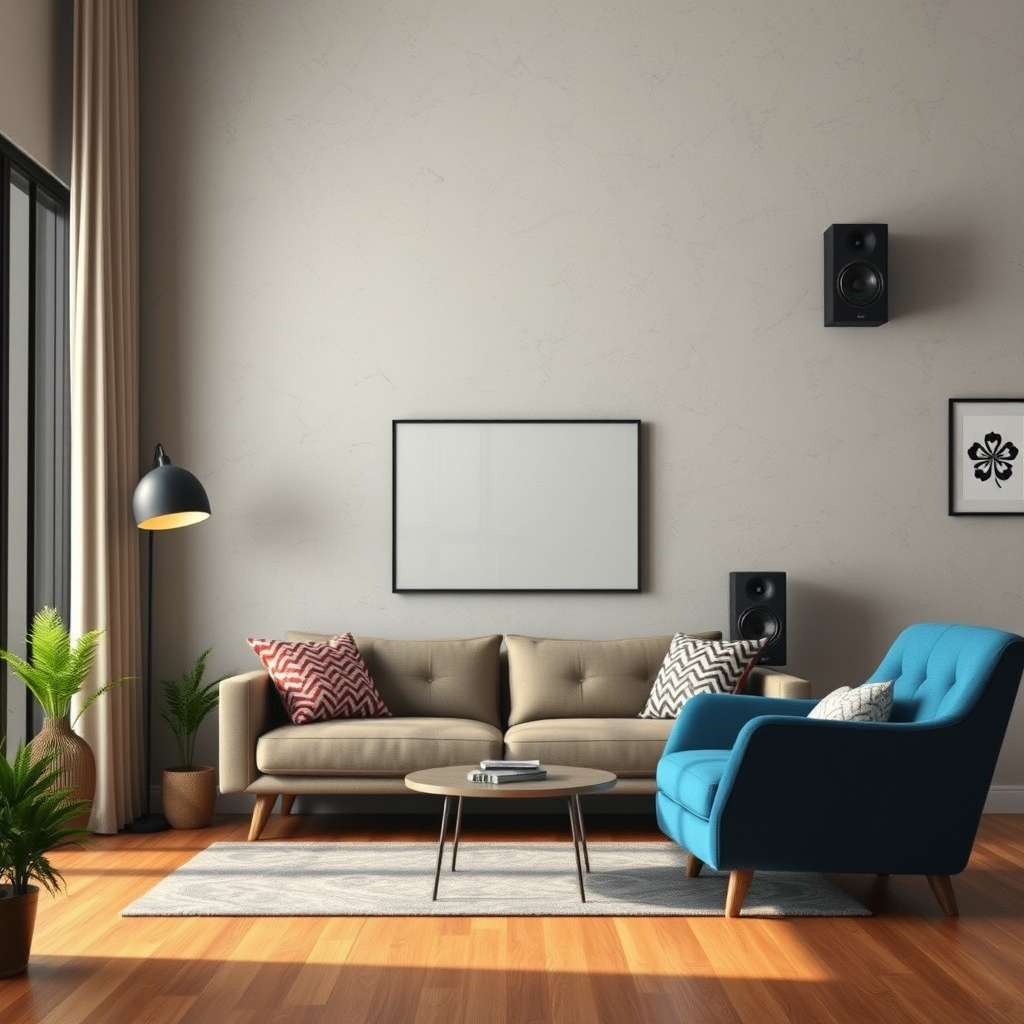
Selecting the optimal location for your wall-mounted speakers is crucial for achieving the best audio experience. Begin by evaluating your room layout, considering factors such as furniture placement and the overall acoustics of the space. Ideally, speakers should be positioned at ear level when seated, which typically means mounting them 48 to 60 inches from the floor.
In addition, consider the distance between the speakers and your seating area. A general guideline is to place them at least 6 to 10 feet apart for a stereo setup, allowing for a well-balanced soundstage. Avoid mounting them in corners or enclosed spaces, as this can lead to distorted sound and reduce overall audio clarity. Lastly, take into account the speaker type; for example, surround sound speakers may need to be positioned differently than front speakers.
Tools and Materials Needed
Before beginning the installation, gather the necessary tools and materials for the job. Here’s a comprehensive list of what you will need:
Essential Tools
– Drill: For making holes in the wall.
– Level: To ensure speakers are mounted evenly.
– Measuring Tape: For accurate placement and spacing.
– Screwdriver: For securing screws and brackets.
– Stud Finder: To locate wall studs.
Materials Required
– Speaker Wall Mounts: Ensure they are compatible with your speaker model.
– Screws and Anchors: Use appropriate ones based on wall type (e.g., drywall anchors for hollow walls).
– Speaker Wire: Depending on your setup, you may need specific gauge wires.
– Cable Management Clips: To keep cables organized and out of sight.
Preparing the Wall
The first step in preparing the wall is to determine its type—whether it’s drywall, concrete, or another material—since this will dictate the mounting technique. For drywall, you will typically want to mount the speakers to studs to ensure they are securely fastened. Use a stud finder to locate these studs, which are usually spaced either 16 or 24 inches apart.
Once you have identified the stud locations, mark them with a pencil. If mounting to concrete, you will need a masonry bit to drill holes and appropriate anchors to secure the mounts. Always double-check your measurements before proceeding to avoid any costly mistakes.
Top 7 Speaker Mount Brands (2024)
| # | Brand | Type | Weight Capacity | Price |
|---|---|---|---|---|
| 1 | Sanus | Fixed | 100 lbs | $49.99 |
| 2 | Vogel’s | Tiltable | 50 lbs | $79.99 |
| 3 | Mount-It! | Swivel | 40 lbs | $35.99 |
| 4 | Peerless | Fixed | 70 lbs | $59.99 |
| 5 | Monoprice | Tiltable | 60 lbs | $29.99 |
| 6 | Bose | Swivel | 30 lbs | $149.99 |
| 7 | Peerless-AV | Fixed | 80 lbs | $89.99 |
Mounting the Speakers
Once your wall is prepared, it’s time to mount the speakers. Begin by following the manufacturer’s instructions for the mounting brackets or wall plates. Use a level to ensure the mount is straight before securing it to the wall with screws. If your speakers are heavy, be sure to use wall anchors designed for the weight of your specific setup.
After securing the brackets, carefully attach the speakers, ensuring they fit snugly into the mounts. It’s advisable to have a second person assist with this step to prevent any accidental drops. Once mounted, double-check the alignment with a level to confirm that the speakers are straight and properly positioned.
Wiring Considerations
Having a clear plan for your wiring layout is essential to maintain a clean and organized appearance. Start by measuring the distance from your amp or receiver to the speakers and cut your cables accordingly. Consider using in-wall rated speaker wire if you plan to run cables through walls for a neater look.
To keep cables tidy, use cable management clips to secure them against the wall. This not only enhances the visual appeal but also prevents tripping hazards. Ensure all connections are secure and that there are no exposed wires, which could lead to short circuits or audio issues.
Testing and Adjustments
After the speakers are mounted and wired, it’s time to test the sound quality. Play a variety of audio content—music, movies, and sound effects—to evaluate the performance. Pay attention to the clarity, volume, and overall balance of sound. If you notice any issues, such as distortion or uneven sound distribution, make adjustments to the speaker angles or positioning as necessary.
Using a sound meter or a mobile app can help determine if the sound levels are balanced across your setup. Fine-tuning the speaker angles may enhance the listening experience, ensuring that sound is directed toward your seating area.
Maintenance Tips
To maintain optimum sound quality and ensure the longevity of your setup, regular maintenance is crucial. Periodically check the mounts and connections for any signs of wear and tear, particularly if you have pets or children that may inadvertently bump into them.
Cleaning the speakers and surrounding areas will help preserve sound clarity. Use a microfiber cloth to gently wipe the speaker surfaces, and avoid any harsh chemicals that could damage the finish. Additionally, inspect the cables for fraying or damage, replacing any that show signs of wear.
In summary, hanging speakers on the wall enhances your home audio experience while saving space. By carefully selecting the right location, utilizing appropriate tools, and following proper mounting techniques, you can ensure that your speakers are securely installed and sound fantastic. Don’t hesitate to share your experience or ask questions in the comments!
Frequently Asked Questions
What tools do I need to hang speakers on the wall?
To hang speakers on the wall, you will typically need a drill, a stud finder, a level, and appropriate mounting brackets or wall mounts. Additionally, having a screwdriver and measuring tape can help ensure accurate placement and secure installation.
How do I determine the best height to mount my speakers?
The best height to mount your speakers is generally at ear level when seated, which is usually about 3 to 4 feet off the ground. This placement helps achieve optimal sound quality and directionality, allowing for a more immersive listening experience.
Why should I use a stud finder when hanging speakers?
Using a stud finder is crucial when hanging speakers because it helps you locate the wooden beams behind your drywall that can support the weight of your speakers. Mounting into studs ensures a secure installation and reduces the risk of your speakers falling, which can cause damage or injury.
What is the best type of wall mount for my speakers?
The best type of wall mount for your speakers depends on their size and weight. For heavier speakers, full-motion brackets that allow for swiveling and tilting are ideal, while lighter speakers can use fixed mounts. Always check the weight rating of the mount to ensure safety and stability.
Which speaker placement offers the best sound quality in a room?
For the best sound quality, speakers should be placed at an equal distance from the listening area, forming an equilateral triangle with the listener. Additionally, avoid placing them too close to walls or corners, as this can cause sound distortion; instead, aim for at least 12 inches of space from the wall for optimal acoustics.
References
- Loudspeaker
https://en.wikipedia.org/wiki/Loudspeaker - https://www.bbc.com/future/article/20210222-how-to-hang-your-speakers-on-the-wall
https://www.bbc.com/future/article/20210222-how-to-hang-your-speakers-on-the-wall - https://www.sciencedirect.com/science/article/pii/S2351978921001653
https://www.sciencedirect.com/science/article/pii/S2351978921001653 - Google Scholar Google Scholar
https://scholar.google.com/scholar?q=how+to+hang+speakers+on+wall - https://www.purdue.edu/engineering/education/learning/techniques/hanging-speakers.html
https://www.purdue.edu/engineering/education/learning/techniques/hanging-speakers.html - https://www.nature.com/articles/s41598-020-69690-0
https://www.nature.com/articles/s41598-020-69690-0 - https://www.cdc.gov/niosh/docs/2016-108/pdfs/2016-108.pdf
https://www.cdc.gov/niosh/docs/2016-108/pdfs/2016-108.pdf - Google Scholar Google Scholar
https://scholar.google.com/scholar?q=speaker+mounting+techniques - https://www.mayoclinic.org/healthy-lifestyle/home-and-garden/in-depth/speaker-installation/art-20475613
https://www.mayoclinic.org/healthy-lifestyle/home-and-garden/in-depth/speaker-installation/art-20475613 - https://pubmed.ncbi.nlm.nih.gov/33112845/
https://pubmed.ncbi.nlm.nih.gov/33112845/
