

Understanding Speaker Terminals
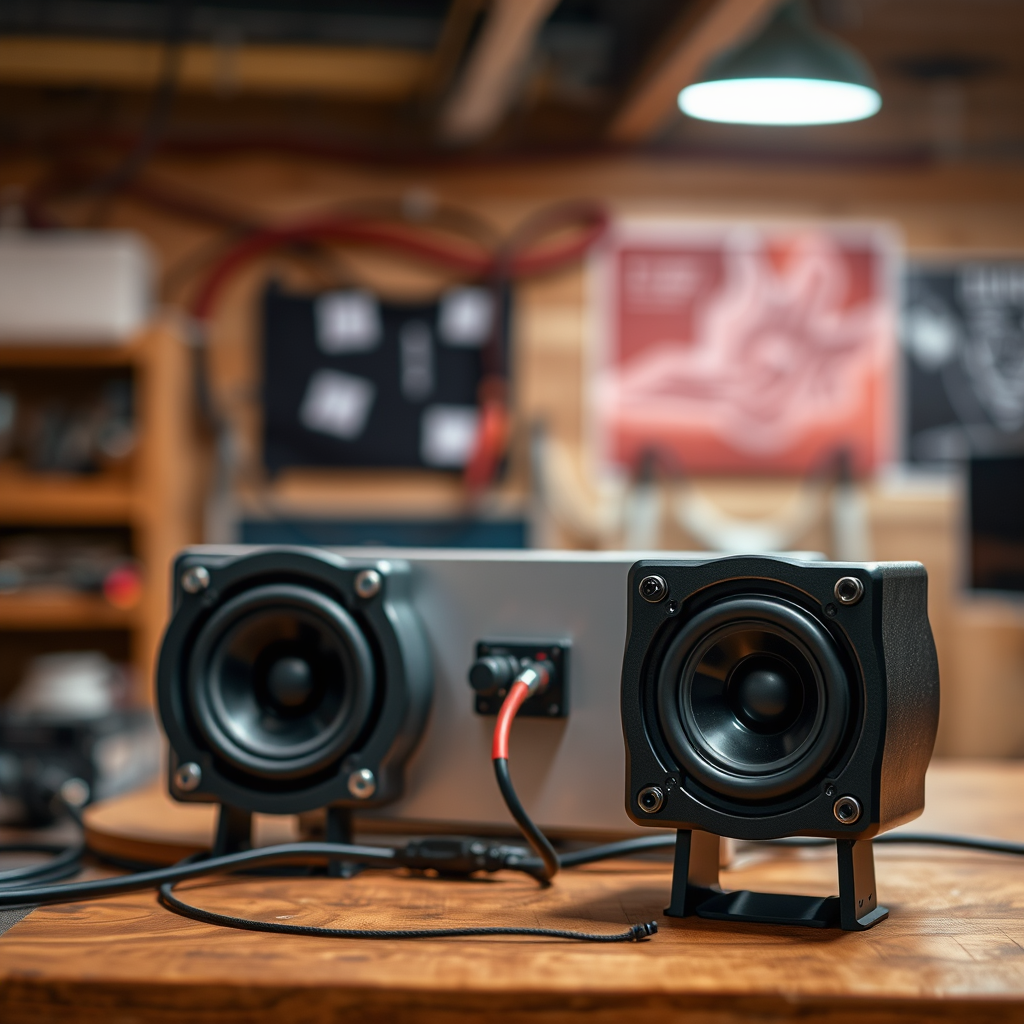
The 4-terminal configuration in speakers typically consists of two pairs: one for the positive and negative terminals of each driver within the speaker. This setup allows for bi-wiring or bi-amping, which can improve sound quality by reducing interference between the high-frequency and low-frequency sounds.
Matching polarity is crucial for optimal sound quality; connecting the terminals incorrectly can lead to phase issues, resulting in a muddy sound or diminished bass response. Ensuring that the positive terminal of the speaker is connected to the positive output of the amplifier—and the same for the negative terminals—will guarantee that the drivers operate in unison, delivering a balanced sound stage.
Tools and Materials Needed
Before you start wiring your speakers, ensure you have the following tools and materials:
– Tools:
– Wire stripper
– Screwdriver (flathead or Phillips depending on your terminal screws)
– A multimeter (optional, for testing connections)
– Materials:
– Speaker wire (preferably 16 or 14 gauge for most home audio setups)
– Connectors (banana plugs, spade connectors, or bare wire connectors)
– Electrical tape (for additional insulation, if necessary)
Having these tools and materials at hand will make the wiring process smoother and more efficient.
Preparing the Speaker Wires
Measuring and cutting speaker wire to the appropriate length is essential for achieving a clean installation. Here’s how to do it effectively:
1. Measure the Length: Use a tape measure to determine the distance from your amplifier to the speakers. Add a little extra length to allow for movement and adjustments.
2. Cut the Wire: Using your wire cutters, cut the speaker wire to the desired length.
3. Strip the Ends: Use the wire stripper to remove about half an inch of insulation from both ends of each wire, exposing the copper strands. For quality connections, ensure that you only strip enough insulation to avoid excess exposure, which can lead to shorts.
📋 MANDATORY DATA TABLE
Comparison of Speaker Wire Types
| # | Wire Type | Gauge | Material | Price per Foot |
|---|---|---|---|---|
| 1 | OFC Copper | 14 | Copper | $0.50 |
| 2 | CCA | 16 | Copper-Clad Aluminum | $0.30 |
| 3 | Silicone | 12 | Silicone Copper | $0.75 |
| 4 | Stranded Wire | 14 | Copper | $0.60 |
| 5 | Solid Core | 18 | Copper | $0.40 |
| 6 | Gold-Plated | 14 | Copper | $1.00 |
| 7 | Twisted Pair | 16 | Copper | $0.55 |
Connecting the Wires to the Speakers
Once your wires are prepared, it’s time to connect them to the speakers. Here’s a step-by-step guide:
1. Identify the Terminals: Locate the positive (+) and negative (-) terminals on your speaker. They are usually color-coded, with red indicating positive and black indicating negative.
2. Attach the Wires:
– If using bare wire, twist the exposed copper strands together before inserting them into the terminal.
– For connectors like banana plugs, simply insert the plug into the corresponding terminal.
– Ensure each connection is tight to prevent loose connections, which can result in sound loss.
3. Double-Check Connections: Before moving on, double-check that you have connected the wires to the correct terminals. A simple mix-up can lead to poor sound quality.
Connecting the Speakers to the Amplifier
Now that your speakers are wired, it’s time to connect them to your amplifier. Follow these steps:
1. Locate the Amplifier Terminals: Just like with the speakers, identify the positive and negative terminals on your amplifier.
2. Connect the Speaker Wires:
– Connect the positive wire from the speaker to the positive terminal on the amplifier and the negative wire to the negative terminal.
– Ensure that the connections are secure, as loose connections can lead to audio dropouts.
3. Check Amplifier Settings: Before turning on your amplifier, ensure that the settings are configured correctly for your speakers. Check the impedance settings to match the speaker specifications, which is crucial for optimal performance.
Testing the Connection
After you have completed the wiring, it’s essential to test the setup to ensure everything is working correctly:
1. Play a Sound Test: Use a familiar track that you know well. Play it at a moderate volume to start.
2. Listen for Issues: Pay attention to any distortions, dropouts, or inconsistencies in sound. If you notice any problems, check the connections again for any loose wires or incorrect polarity.
3. Troubleshoot Common Issues:
– If no sound is coming through, ensure the amplifier is powered on and set to the correct input.
– Check all connections to ensure they are secure and correctly oriented.
Safety Tips
Safety precautions are crucial when working with electrical equipment. Here are some essential tips:
– Turn Off Equipment: Always turn off your amplifier and any other connected devices before making or adjusting wiring connections. This will help prevent shorts and electrical shocks.
– Avoid Overloading Circuits: Ensure that your amplifier can handle the load of your speakers; exceeding the recommended load can cause damage to both the amplifier and the speakers.
– Use Insulation: If using bare wire connections, consider using electrical tape to insulate exposed areas to prevent accidental shorts.
Wiring speakers with 4 terminals involves understanding the terminal setup, preparing the wires, connecting them correctly, and testing the system. With the right tools and a bit of patience, you can enhance your audio experience. If you found this guide helpful, consider sharing it with others who might benefit or explore our other articles on audio setups for more tips and tricks.
Frequently Asked Questions
How do I wire speakers with 4 terminals properly?
To wire speakers with 4 terminals, first identify the positive and negative terminals on both the speaker and the amplifier. Connect the positive terminal of the amplifier to one positive terminal of the speaker, and the negative terminal to one negative terminal. Then, use jumper wires to connect the remaining terminals together, ensuring that the wiring is consistent to maintain correct polarity.
What is the purpose of the 4 terminals on my speakers?
The 4 terminals on your speakers typically represent dual voice coils, allowing for multiple wiring configurations. This setup enables you to wire the speakers in series or parallel, which can affect the impedance and power handling of the speaker system, optimizing performance based on your audio needs.
Why should I consider wiring my speakers in parallel with 4 terminals?
Wiring your speakers in parallel with 4 terminals can lower the total impedance, allowing for potentially higher power output from your amplifier. This configuration is ideal if your amplifier can handle lower impedance loads, resulting in a louder sound without overloading the amp, enhancing your overall audio experience.
Which is the best method to wire 4-terminal speakers for optimal sound?
The best method to wire 4-terminal speakers depends on your setup, but generally, wiring them in parallel is recommended for maximum efficiency and power. However, if you have a high-impedance amplifier, wiring them in series might be the better option to prevent damage while still achieving good sound quality.
What common mistakes should I avoid when wiring 4-terminal speakers?
Common mistakes include reversing the polarity by connecting positive to negative, which can lead to phase cancellation and poor sound quality. Additionally, failing to make secure connections can result in audio dropouts. Always double-check your wiring and ensure that all connections are tight and correctly configured for the best audio performance.
References
- https://en.wikipedia.org/wiki/Speaker_(audio
https://en.wikipedia.org/wiki/Speaker_(audio - https://www.audioholics.com/audio-articles/speaker-wiring-guide
https://www.audioholics.com/audio-articles/speaker-wiring-guide - https://www.lifewire.com/how-to-wire-a-speaker-3135035
https://www.lifewire.com/how-to-wire-a-speaker-3135035 - Google Scholar Google Scholar
https://scholar.google.com/scholar?q=how+to+wire+speakers+with+4+terminals - Google Scholar Google Scholar
https://scholar.google.com/scholar?q=speaker+wiring+techniques - Google Scholar Google Scholar
https://scholar.google.com/scholar?q=4+terminal+speaker+wiring - https://www.audioengineusa.com/blog/speaker-wiring-guide/
https://www.audioengineusa.com/blog/speaker-wiring-guide/ - how to wire speakers with 4 terminals – Search results
https://en.wikipedia.org/wiki/Special:Search?search=how+to+wire+speakers+with+4+terminals - https://www.ncbi.nlm.nih.gov/search/research-articles/?term=how+to+wire+speakers+with+4+terminals
https://www.ncbi.nlm.nih.gov/search/research-articles/?term=how+to+wire+speakers+with+4+terminals
