
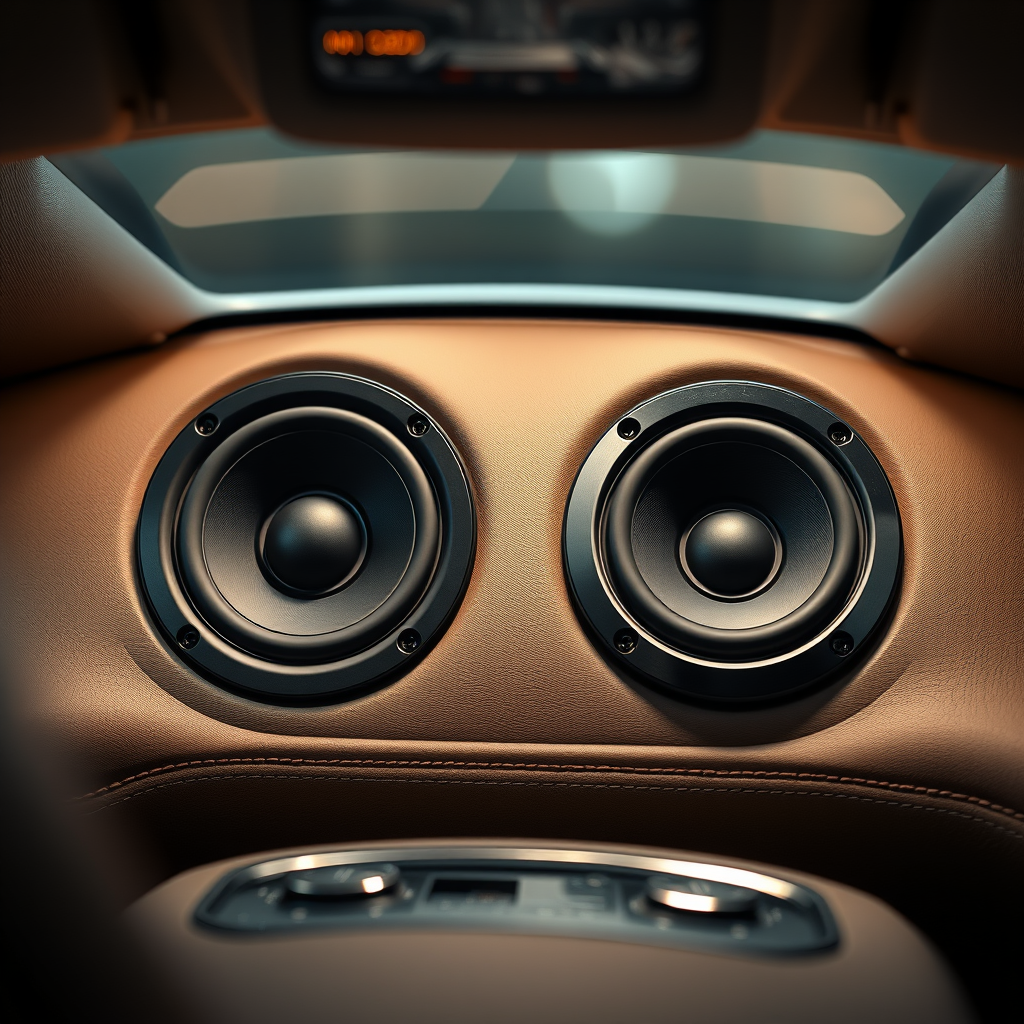

To find out what size speakers are in your car, you can start by checking the vehicle’s manual or measuring the existing speakers directly. Generally, most cars come with standard sizes such as 6.5 inches or 6×9 inches, but variations can occur based on the make and model. Understanding your car’s audio system is essential for achieving the best sound quality, whether you’re replacing existing speakers or upgrading to a higher-performance sound system. In this article, you will learn how to determine your speaker size, the common sizes for different vehicle types, and tips for upgrading your sound system.
Understanding Speaker Sizes

Speaker sizes are typically measured in inches, specifically referring to the diameter of the speaker cone. This measurement plays a crucial role in the overall sound quality, volume, and bass response of your car’s audio system. For example, larger speakers like 6×9 inches or 8 inches can produce deeper bass and higher volume levels compared to smaller speakers. Common sizes include:
– 4-inch: Ideal for compact cars or as tweeters in a multi-speaker configuration.
– 5.25-inch: Often used in small cars, providing a balance between size and sound quality.
– 6.5-inch: The most common size found in many vehicles, offering a good mix of mid-range and bass.
– 6×9-inch: Typically used in larger vehicles for robust bass and overall sound coverage.
Each size affects the sound quality and bass response differently, making it important to choose speakers that align with your listening preferences and the acoustics of your car.
Finding the Right Information
When trying to find the specifications of your car’s speakers, there are several reliable resources you can consult:
– Owner’s Manual: This is the most straightforward source for information regarding factory-installed speakers and their specifications.
– Online Resources: Websites and forums dedicated to specific car makes and models often feature discussions from other owners who have upgraded or replaced their speakers. These can provide insights into the sizes and types of speakers that work best for your vehicle.
– Manufacturer Websites: Many car manufacturers have detailed product specifications available online, including audio system details. This can help you confirm the size and type of speakers installed in your vehicle.
Measuring Your Current Speakers
If you cannot find the specifications through manuals or online resources, you can measure your existing speakers directly. Here’s how:
1. Access the Speakers: Carefully remove the speaker cover or grille to expose the speaker.
2. Measure the Diameter: Use a ruler or measuring tape to measure the diameter of the speaker cone, not the outer frame.
3. Check the Depth: Additionally, note any depth measurements, as this can significantly impact the compatibility of replacement speakers.
Accurate measurements will ensure that you purchase speakers that fit perfectly in your vehicle without requiring extensive modifications.
Common Car Speaker Sizes and Applications
| # | Speaker Size | Typical Applications | Frequency Range | Best For |
|---|---|---|---|---|
| 1 | 4-inch | Compact Cars | 100Hz – 20kHz | Tweeters |
| 2 | 5.25-inch | Small Cars | 80Hz – 20kHz | Mid-range |
| 3 | 6.5-inch | Most Vehicles | 70Hz – 20kHz | Balanced Sound |
| 4 | 6×9-inch | Sedans & SUVs | 50Hz – 20kHz | Deep Bass |
| 5 | 8-inch | Trucks & Custom | 40Hz – 20kHz | High Output |
| 6 | 10-inch | Subwoofer Systems | 30Hz – 200Hz | Specialty Use |
| 7 | 12-inch | High-End Systems | 20Hz – 200Hz | Premium Sound |
Common Speaker Sizes by Vehicle Type
Understanding which speaker sizes typically come with different types of vehicles can further assist you in making informed decisions:
– Compact Cars: These vehicles generally feature 6.5-inch speakers, which provide a good balance of sound quality without taking up too much space.
– Sedans and SUVs: Often equipped with larger 6×9-inch speakers, these vehicles aim to enhance the audio experience by delivering more substantial bass and overall sound projection.
– Luxury Vehicles: High-end models may include custom-sized speakers and premium sound systems designed to offer an audiophile experience, often incorporating multiple speaker sizes and configurations for optimal performance.
Knowing the standard speaker sizes for your vehicle type can help you narrow down the options when considering upgrades or replacements.
Upgrading Your Speakers
When it comes to upgrading your car’s speakers, there are a few considerations to keep in mind:
– Size Compatibility: Decide whether to maintain the same size for easy installation or upgrade to a larger size for improved sound quality. If you choose to upgrade, be aware that larger speakers may require modifications to the mounting area or additional power to drive them effectively.
– Aftermarket Options: Research aftermarket speakers that fit your vehicle’s specifications. Brands like JBL, Pioneer, and Kicker offer a variety of options that are known for their sound quality and durability.
– Professional Installation: For complex upgrades or custom fitments, consider professional installation. This not only ensures a proper fit but can also help with tuning the system for optimized performance.
Investing in higher-quality speakers can significantly enhance your overall audio experience, making it worthwhile to consider the best options available.
Additional Considerations
When replacing or upgrading your car speakers, several factors should be taken into account:
– Speaker Impedance: Pay attention to speaker impedance (measured in ohms) to ensure compatibility with your car’s audio system. Most car audio systems are designed for 4-ohm speakers, but knowing your system’s specifications is crucial for optimal performance.
– Mounting Depth: Check for mounting depth and any modifications needed when replacing speakers. Some larger speakers may not fit in the existing space without alterations.
– Brand and Model Research: Research brands and models that are known for quality sound performance. Look for user reviews and expert opinions to guide your selection.
By considering these additional factors, you can make a more informed decision and ensure that your upgraded sound system meets your expectations.
Summarizing the key points, determining and upgrading your car speakers involves several steps, including checking the owner’s manual, measuring existing speakers, and understanding the common sizes for different vehicles. It’s advisable to take action by measuring your current speakers or researching suitable replacements to achieve the best possible audio experience in your car. Whether you choose to maintain the same size or opt for an upgrade, the right information and preparation can lead to a significant enhancement in your driving experience.
Frequently Asked Questions
How can I find out what size of speakers are in my car?
To determine the size of the speakers in your car, you can check the vehicle’s owner manual, which typically lists the specifications for the audio system. Alternatively, you can search online by entering your car’s make, model, and year along with “speaker size” to find detailed information from automotive forums or manufacturer websites.
What is the standard speaker size in most cars?
The standard speaker size in most cars tends to range from 6.5 inches to 6×9 inches for the main speakers. However, some vehicles may have smaller speakers, such as 4-inch or 5.25-inch models for the front or rear, while subwoofers can vary significantly in size depending on the audio system installed.
Why is it important to know the size of my car’s speakers before replacing them?
Knowing the size of your car’s speakers is crucial before replacement to ensure compatibility with your vehicle’s audio system and to avoid any installation issues. Choosing the wrong size can lead to poor sound quality, potential damage to the new speakers, and overall dissatisfaction with your audio upgrade.
Which tools do I need to measure my car’s speakers if I want to replace them?
To measure your car’s speakers, you’ll need a tape measure or a ruler to accurately gauge the diameter of the speaker cone and the depth of the speaker. Additionally, a screwdriver may be required to remove the speaker covers or grills, allowing you to access and measure the speaker itself.
What are the best aftermarket speakers for my car size?
The best aftermarket speakers for your car size will depend on your specific vehicle, audio preferences, and budget. Popular brands like JBL, Pioneer, and Rockford Fosgate offer a variety of high-quality speakers that can fit common sizes, so it’s advisable to read reviews and compatibility lists to find the ideal match for your sound system.
References
- Vehicle audio
https://www.wikipedia.org/wiki/Car_audio - Google Scholar Google Scholar
https://scholar.google.com/scholar?q=car+speaker+size - https://www.edmunds.com/car-technology/what-are-the-different-types-of-car-audio-speakers.html
https://www.edmunds.com/car-technology/what-are-the-different-types-of-car-audio-speakers.html - https://www.carsguide.com.au/car-advice/what-size-speakers-can-i-fit-in-my-car-79891
https://www.carsguide.com.au/car-advice/what-size-speakers-can-i-fit-in-my-car-79891 - Google Scholar Google Scholar
https://scholar.google.com/scholar?q=car+audiophile+speaker+size - https://www.crutchfield.com/S-XmGZOd9u6W/learn/how-to-upgrade-your-car-speakers.html
https://www.crutchfield.com/S-XmGZOd9u6W/learn/how-to-upgrade-your-car-speakers.html - https://www.edmunds.com/car-technology/what-to-know-about-car-speakers.html
https://www.edmunds.com/car-technology/what-to-know-about-car-speakers.html - Google Scholar Google Scholar
https://scholar.google.com/scholar?q=automotive+audio+speaker+dimensions - Google Scholar Google Scholar
https://scholar.google.com/scholar?q=what+size+of+speakers+are+in+my+car - what size of speakers are in my car – Search results
https://en.wikipedia.org/wiki/Special:Search?search=what+size+of+speakers+are+in+my+car
