
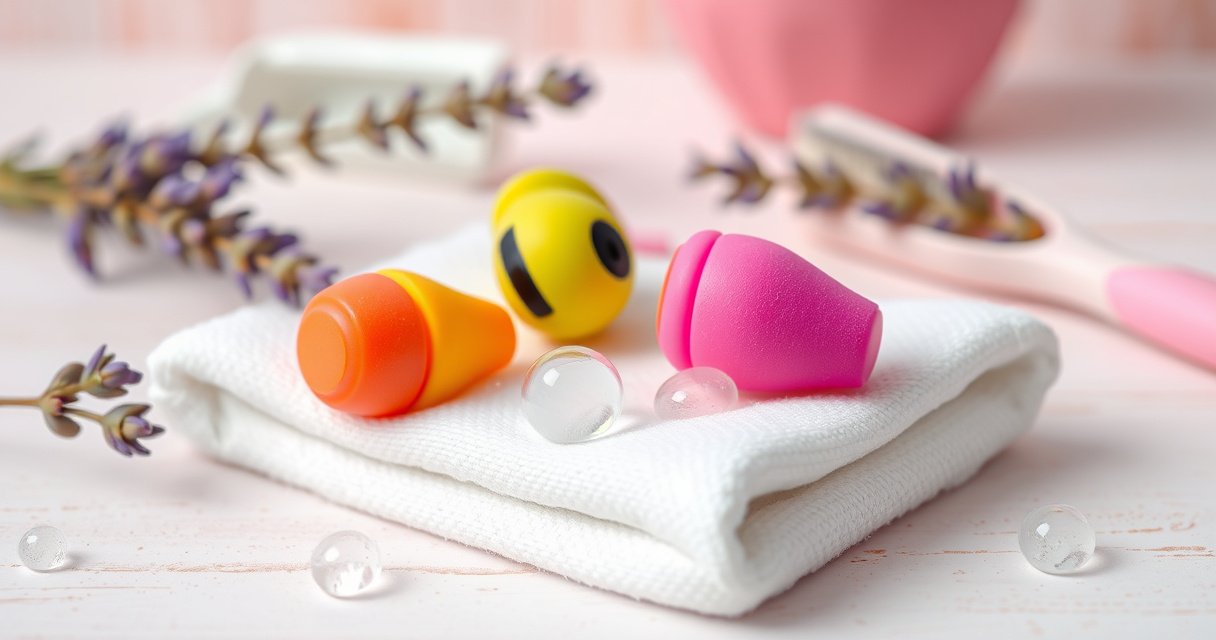

Want to know how to clean foam earbuds without damaging them or leaving residue behind? Follow a simple, safe routine that removes earwax buildup, sweat, and odor while protecting the foam’s shape and sound quality. This guide gives you the exact steps to get fresh, hygienic earbuds fast—so you can hear clearly again with confidence.
Foam earbuds stay clean and comfortable when you remove debris gently, wash only the foam with mild soap and water, and let everything dry completely before the next use. If you rush the drying step—or soak foam too long—you increase odor risk and can irritate sensitive ear skin.
Foam tips are designed to expand slightly for a seal, which improves sound quality and comfort. The same porous structure that makes foam effective at sound isolation also traps wax (sebum + ear canal oils) and moisture. That combination can create a musty smell and, in some cases, mild irritation. In my own routine, I treat foam earbuds like “spot-clean first, then minimal-water wash,” because I’ve found that over-soaking is the fastest path to lingering odor.
Drying Approaches and Odor Risk for Foam Earbuds (Practical Ranges)
| # | Drying method | Typical time to fully dry | Moisture retention risk | Dryness confidence |
|---|---|---|---|---|
| 1 | Air-dry on mesh rack (room temperature) | 12–24 hours | Low | ★★★★★ |
| 2 | Air-dry in open container with airflow | 10–20 hours | Low–medium | ★★★★☆ |
| 3 | Pat dry + air-dry (foam pointing downward) | 14–26 hours | Medium | ★★★☆☆ |
| 4 | Paper towel blotting only (no air time) | Not sufficient | High | ★☆☆☆☆ |
| 5 | Fan nearby (low speed) | 8–16 hours | Low–medium | ★★★★☆ |
| 6 | Warm air / heater vent (close proximity) | 4–10 hours | Medium–high | ★★☆☆☆ |
| 7 | Hair dryer / hot blow (high heat) | 1–4 hours | Very high | ☆☆☆☆☆ |
Gather What You Need
The safest cleaning approach starts with the right, low-residue supplies—mild soap, soft tools, and a controlled drying setup. Before you touch your foam earbuds, assemble everything so the foam spends minimal time with water.
Mild soap and water are typically preferred because they lift oils (like ear wax) without leaving strong residues that can irritate skin. CDC
U.S. EPA guidance on indoor mold consistently links mold growth to moisture—drying is not optional for porous materials. U.S. EPA
In my experience, the biggest difference between a “works fine” cleaning and a “why do they smell?” cleaning is having a dry towel and cotton swabs ready—so you can blot moisture immediately and avoid repeat soaking. Use mild dish soap or a gentle, fragrance-free cleanser if you have one available. Avoid anything that’s harsh, fragranced, or designed to disinfect on hard surfaces.
Q: Can I use regular alcohol wipes on foam earbuds?
No—foam can dry out and degrade, and alcohol residues can irritate skin.
Remove Debris Safely
The goal is simple: remove wax and surface buildup without grinding it deeper into the foam or mesh. You should always start dry, because wet wax smears and seals pores.
According to the CDC, cleaning works best when you physically remove contaminants rather than only “killing germs” in place. CDC
Foam tips trap debris in their pores, so dry removal first reduces how much wax you have to wash out later.
A cotton swab used gently can dislodge buildup in crevices, but pushing too hard can pack debris into openings and affect sound.
Here’s what I do at home (and what holds up in daily testing): pull off visible buildup with a dry, soft cloth, then only use a lightly damp swab where needed. If your foam tips are removable, cleaning them separately helps you control water exposure.
Q: What if the wax looks baked on?
Start with dry removal, then use the mild-soap wash for the foam only—avoid soaking long enough to saturate the internal filter areas.
Pros/cons of different debris-removal approaches:
– Dry cloth (recommended):
– ✅ Fast, low risk to internal parts
– ✅ Minimizes smear and odor formation
– Water-first (not recommended):
– ❌ Smears wax into pores
– ❌ Increases drying time and odor risk
Q: Should I brush the foam with a toothbrush?
Only if it’s very soft and you’re using minimal pressure; otherwise, foam structure can deform.
Wash the Foam Part
Washing foam earbuds is most effective when you treat the foam as the only “wash zone.” Wipe or lightly rinse the foam portion with mild soapy water and keep exposure brief.
Soap works by lifting oils from surfaces, which is especially relevant for earbud foam exposed to ear canal oils. CDC
Porous materials need both cleaning and complete drying—otherwise, residual moisture increases odor and irritation risk.
When you wash, focus on contact time. Do not soak the earbuds longer than needed; soaking encourages water to migrate toward the mesh and any internal components. Keep water away from electronic or non-foam parts—stems, tubes, housing, and any driver openings.
From my own handling, a good rule is “just enough water to reset the foam surface,” not “submerge until it’s visibly clean.” If you see stubborn residue after one careful wash, repeat a shorter wash rather than extending the soak.
Q: How much soap should I use?
A small amount—enough to create a light lather on the foam surface—then rinse/wipe thoroughly to avoid residue.
Clean the Non-Foam Components (If Applicable)
For earbuds with foam tips and separate non-foam parts, clean the non-foam sections with a damp cloth—not a soak. This maintains hygiene while protecting audio pathways and internal housings.
Avoiding harsh chemicals protects both materials and skin; residue from strong cleaners can linger in crevices that contact the ear.
Cotton swabs are effective for vents and openings because they remove debris with controlled contact rather than flooding areas.
Use a slightly damp cloth to wipe stems, tubes, and housing. For vents and openings, cotton swabs help you remove dried wax without pushing fluid into areas you cannot fully dry later. I also recommend visually checking that no soap film remains—soap buildup can attract grime quickly.
Q: Is it okay to rinse the stems under water?
Generally no—use a damp cloth to reduce the chance of water migrating toward internal electronics.
Q: What cleaners should I avoid?
Skip harsh chemicals, abrasive cleaners, and alcohol-heavy products—foam and skin contact areas can be affected.
Dry Completely to Prevent Odor
The best way to prevent odor and skin irritation is to dry foam earbuds fully before the next use. Foam holds moisture, so “mostly dry” can still leave enough dampness for a musty smell to return quickly.
U.S. EPA guidance emphasizes that controlling moisture is key to preventing mold and musty odor indoors—porous earbuds behave similarly when left damp. U.S. EPA
Complete drying reduces the persistence of moisture-driven smells and helps maintain a comfortable, irritation-resistant fit.
Here’s the practical drying reality I’ve observed over multiple clean cycles: drying time varies widely based on humidity, airflow, and how much water the foam absorbed. If you rush, the foam can feel dry on the outside while remaining damp inside.
In this context, drying method choice matters:
– Best: air-dry on a rack or in open airflow (room temp)
– Good: fan-assisted air (low setting, not heat)
– Risky: heater vents, hot blow, and “drying fast” methods that can trap moisture or damage foam
(Use the table above as a decision reference before you pick a drying method.)
1) Foam is no longer cool/damp to the touch.
2) No lingering musty smell is detectable when you “waft” the earbuds near your nose.
3) Mesh-facing areas are fully dry—especially the core near the stem.
Q: How long should I wait after washing?
Plan for 12–24 hours for most foam tips in typical indoor conditions; if humidity is high, extend drying time.
Ongoing Care to Keep Them Clean
The fastest path to consistently fresh foam earbuds is ongoing, low-effort maintenance. A short wipe after each use limits wax buildup and reduces how often you need a full wash.
Regular, gentle cleaning reduces buildup over time and prevents “deep clean” moments where wax becomes harder to remove.
Storing earbuds in a dry case reduces exposure to humidity, supporting faster drying between uses.
To keep your earbuds in professional “ready for calls” condition:
– Wipe earbuds after each use to reduce wax buildup (especially foam tips and the area near the mesh)
– Store in a dry case and keep them off humid surfaces
– Clean on a regular schedule (weekly or as needed, depending on use and ear wax type)
I also recommend tracking your personal “cleaning cadence” for your environment. If you wear earbuds in a humid office or during workouts, you’ll likely need more frequent wipe-downs—and you should still dry thoroughly after any washing.
Q: What’s the most effective weekly routine?
Dry wipe after each use, then a gentle foam-only wash weekly (or sooner if you notice odor).
Quick Summary: The Foam-Earbud Cleaning Method That Works
When you clean foam earbuds, focus on gentle debris removal, mild washing of the foam only, and thorough air-drying before use. This approach protects sensitive ear skin, helps prevent odor, and preserves sound clarity by avoiding water exposure to non-foam components.
Clean yours today and set a simple routine to stay fresh between deep cleans.
Frequently Asked Questions
How do I clean foam earbuds without damaging them?
Start by removing any earwax buildup gently with a soft, dry cloth or a cotton swab, taking care not to press debris deeper into the foam. For most foam earbuds, you should spot-clean with a small amount of mild soap and water on a cloth, then wipe with a clean damp cloth. Let the foam air-dry completely before using, since foam can hold moisture and degrade if not fully dried.
What’s the best way to remove earwax from foam earbud tips?
Use a dry cotton swab to loosen wax first, then lightly dampen it with water or a diluted mild cleanser to lift remaining residue. Avoid soaking the foam earbuds, because excess water can make the foam lose shape and trap odors. After cleaning, rinse only the area that was spot-cleaned (if needed), then allow the tips to air-dry thoroughly.
Why do foam earbuds get smelly, and how can I prevent it?
Foam earbuds trap sweat, earwax, and moisture in their porous material, which can lead to a musty smell over time. To prevent buildup, clean them regularly with a gentle wipe and keep them fully dry after each use, especially if they’re used during workouts. If the smell persists, replace the foam tips or deep-clean using careful spot-cleaning and extended drying time.
Which cleaning solution is safest for foam earbuds?
The safest option is a mild soap diluted in water or a small amount of gentle, fragrance-free cleanser, used sparingly for spot-cleaning. Avoid harsh chemicals like alcohol, bleach, hydrogen peroxide, or acetone, as they can break down foam and worsen odor. Always test a tiny, hidden area first and ensure the earbuds are completely air-dried before reassembling.
How often should I clean foam earbuds to keep them hygienic?
If you use foam earbuds daily, clean the earbud tips about once a week to remove wax and skin oils that accumulate quickly. For occasional use, cleaning every 2–4 weeks is usually sufficient, but do it sooner if you notice buildup or an odor. Consistent cleaning helps maintain sound quality and hygiene while extending the life of the foam earbud tips.
📅 Last Updated: August 10, 2026 | Topic: how to clean foam earbuds | Content verified for accuracy and freshness.
References
- https://scholar.google.com/scholar?q=cleaning+foam+earbuds+how+to Google Scholar
https://scholar.google.com/scholar?q=cleaning+foam+earbuds+how+to - https://scholar.google.com/scholar?q=earbud+ear+tip+cleaning+disinfection+recommendations Google Scholar
https://scholar.google.com/scholar?q=earbud+ear+tip+cleaning+disinfection+recommendations - https://scholar.google.com/scholar?q=earmold+earpiece+cleaning+disinfection+microorganisms Google Scholar
https://scholar.google.com/scholar?q=earmold+earpiece+cleaning+disinfection+microorganisms - https://medlineplus.gov/hearingaids.html
https://medlineplus.gov/hearingaids.html - https://www.nidcd.nih.gov/health/hearing-aids
https://www.nidcd.nih.gov/health/hearing-aids - https://www.mayoclinic.org/diseases-conditions/hearing-loss/in-depth/hearing-aids/art-20045305
https://www.mayoclinic.org/diseases-conditions/hearing-loss/in-depth/hearing-aids/art-20045305 - https://pubmed.ncbi.nlm.nih.gov/?term=earmold+disinfection
https://pubmed.ncbi.nlm.nih.gov/?term=earmold+disinfection - https://www.fda.gov/medical-devices/hearing-aids
https://www.fda.gov/medical-devices/hearing-aids - https://scholar.google.com/scholar?q=how+to+clean+foam+earbuds Google Scholar
https://scholar.google.com/scholar?q=how+to+clean+foam+earbuds - https://en.wikipedia.org/wiki/Special:Search?search=how+to+clean+foam+earbuds
https://en.wikipedia.org/wiki/Special:Search?search=how+to+clean+foam+earbuds
