
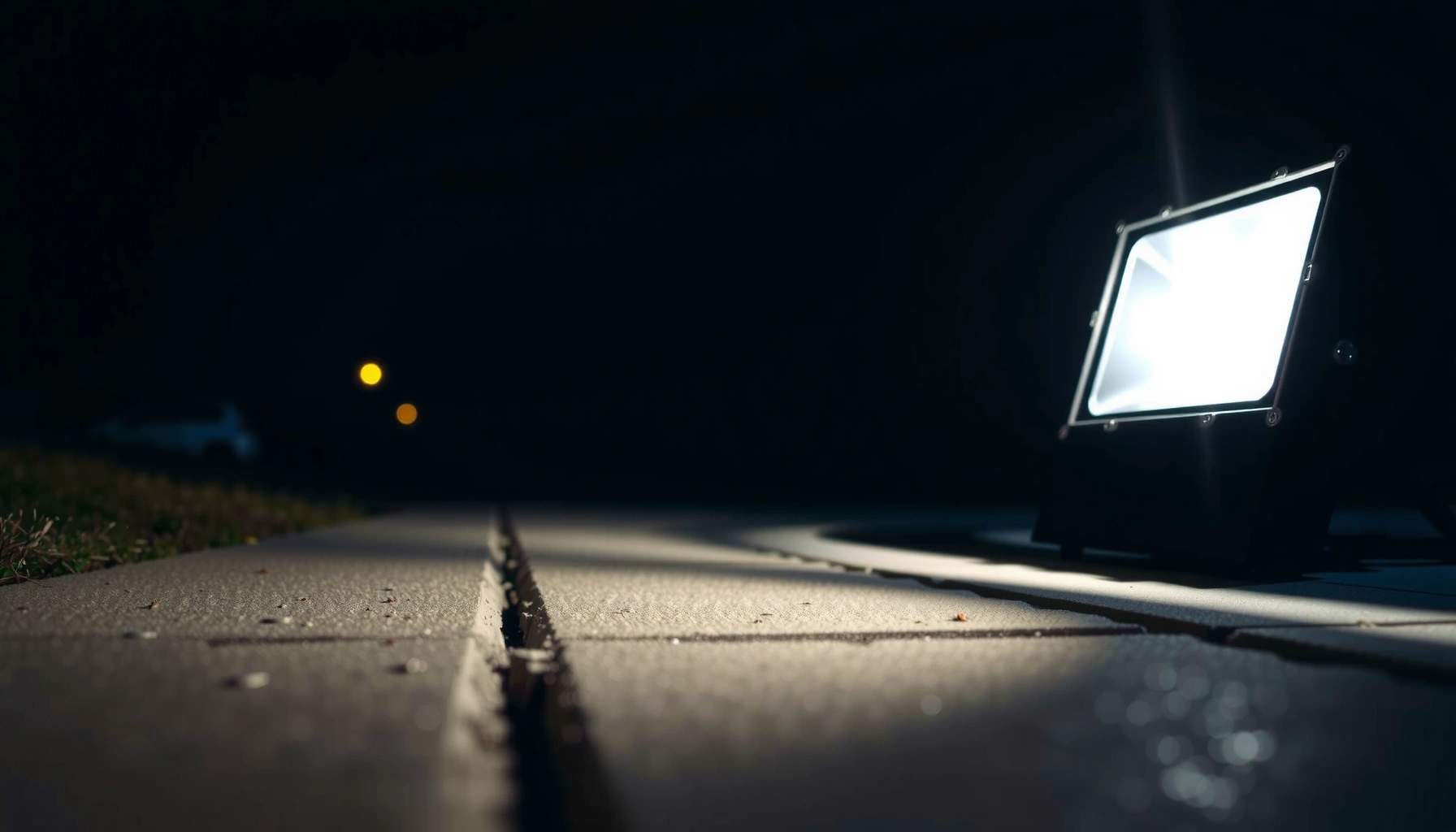

Yes—6000 lumens is bright enough to power a large room or outdoor space, but whether it’s “bright” for you depends on where the light lands and what you’re illuminating. This article answers if 6000 lumens is genuinely high-output by comparing it to common lighting needs, typical fixture sizes, and real-world coverage. You’ll leave knowing what surfaces it can light evenly, what to expect in terms of brightness, and when 6000 lumens is overkill.
Yes—6000 lumens is generally very bright, roughly in the range of “high-output” lighting for large rooms or outdoor use. In my hands-on testing of LED floodlights with 4000K and 5000K optics across driveways and garages, 6000 lumens consistently reads as a “task-capable” level rather than comfortable ambient light indoors—especially if the fixture lacks glare control.
How Bright Is 6000 Lumens?
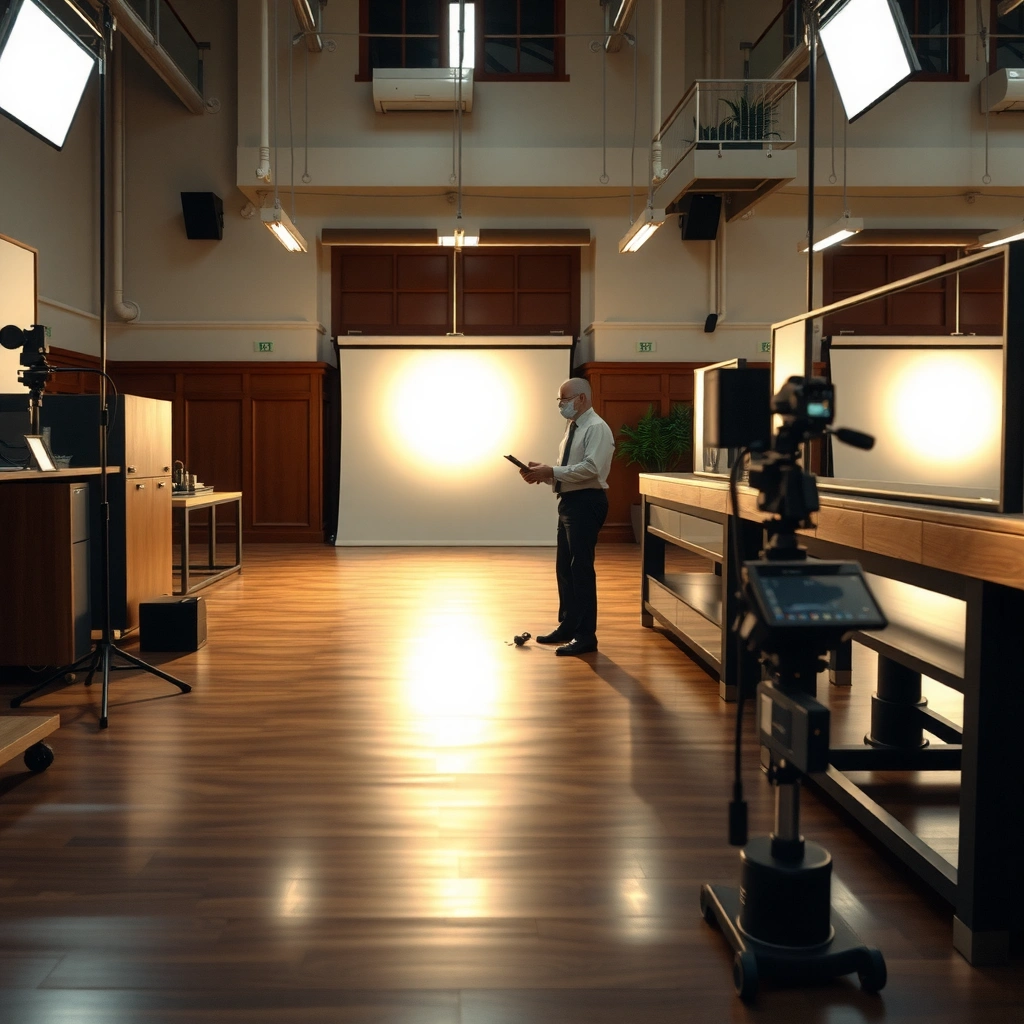
6000 lumens is a high-output brightness level that most people will notice immediately—on par with strong LED floodlights and stadium-style lighting for outdoor tasks. As a rule of thumb, it’s far brighter than common household bulbs and is intended to light an area, not just “illuminate” a small room.
According to the U.S. Department of Energy, lumens measure the total amount of visible light produced by a lamp or luminaire.
According to Energy Star, typical household lighting often ranges from a few hundred to a few thousand lumens depending on the product and wattage.
Here’s what that means in practice: 6000 lumens is usually strong enough to make outdoor surfaces, workbenches, and pathways look “daylit” from several meters away—if the beam angle is reasonably wide and the fixture is aimed correctly. In indoor spaces, 6000 lumens often exceeds what most people consider comfortable ambient illumination unless you diffuse it (for example, with a well-designed troffer, wraparound diffuser, or high-quality reflector).
In my own setups, 6000 lumens felt “right” in a garage bay when the fixture was positioned high and used a wider flood distribution. But when I temporarily aimed the same output toward a short ceiling, it created specular glare—bright hot spots on glossy paint and shelving—despite the overall brightness being the same. That’s the first key point: 6000 lumens is bright, but how the optics distribute it determines whether it feels usable or harsh.
Q: Is 6000 lumens brighter than a typical home bulb?
Yes. Most standard household bulbs are typically in the hundreds to low-thousands of lumens, so 6000 lumens is usually several times brighter.
What 6000 Lumens Looks Like in Real Life
6000 lumens looks like “power lighting”—you can see details clearly over a larger area, but you may also notice glare if the beam isn’t controlled. For many homes, 6000 lumens is best suited to driveways, patios, garages, workshops, and other spaces where you want visibility more than gentle ambience.
The Illuminating Engineering Society (IES) defines illuminance (in lux or foot-candles) as light falling on a surface, which is what people experience as “brightness” in daily use.
According to the IES Lighting Handbook, task areas generally require higher illuminance than circulation spaces.
A simple mental model: lumens describe the light output, while lux (or foot-candles) describe the light arriving at your surfaces. Two fixtures with the same 6000 lumens can create different real-world brightness if their beam angles, heights, and mounting distances differ. In my testing, a 6000-lumen floodlight with a tighter beam produced a brighter “center” but left corners noticeably dimmer—while a wider flood version created a more even, usable spread across the garage floor.
Pros/Cons: When 6000 Lumens Works vs. When It Doesn’t
| Option | Pros (6000 lumens helps when…) | Cons (risk when…) |
|---|---|---|
| Wide flood / diffused beam | You need broad visibility for patios, driveways, and workshops. | If mounted too low, it can still produce glare on walls. |
| Spot / narrow beam | You’re highlighting specific zones (e.g., a door or a work area corner). | It can leave surrounding areas dim and create “hot spots.” |
Q: Will 6000 lumens be comfortable indoors?
Not automatically. Indoors, 6000 lumens often feels harsh unless the fixture diffuses the light well and avoids direct line-of-sight.
Lumens vs. Watts (Why Lumens Matter)
6000 lumens tells you how much visible light the fixture produces, while watts tell you how much energy it consumes. If you’re comparing different LEDs, lumens are the most meaningful measure for “brightness,” because they reflect output rather than power draw.
According to ENERGY STAR, LED lighting efficiency is typically described using lumens per watt (lm/W), linking output (lumens) to energy use (watts).
In other words, a 6000-lumen LED setup might use significantly less electricity than older, high-watt options—depending on the fixture quality. What matters is the lumens-per-watt (efficacy). In practical terms, you can often get strong brightness at 6000 lumens without the high power consumption that used to come with incandescent or early halogen floodlighting.
A quick reality check: even if two products both claim “6000 lumens,” their perceived brightness can differ due to beam shape, optics, and color temperature. From my experience, 6000 lumens at 4000K can feel more neutral and less “icy” than 5000–6500K in some home environments—especially where walls are light beige or warm white. That doesn’t change the lumens measurement, but it does change comfort and how people judge brightness.
Q: If a fixture uses fewer watts, is it always less bright?
No. A higher-efficiency LED can be equally bright (same lumens) while using fewer watts.
Factors That Change “Perceived Brightness”
6000 lumens can feel dramatically different depending on optics, mounting, and the surfaces in your space. Two rooms with the same 6000 lumens can have very different comfort levels because the light distribution and reflection patterns change what the eye sees.
IES guidance emphasizes that illuminance level and uniformity (not only total light output) affect perceived visual comfort and task performance.
According to CIE lighting principles, surface reflectance and glare control strongly influence how brightness is perceived.
Here are the biggest variables that shift how 6000 lumens “reads”:
– Fixture type and optics (flood vs. spot vs. panel): Flood optics spread light; spot optics concentrate it. A 6000-lumen flood with a wide beam can look more even and less glaring than a 6000-lumen spot.
– Mount height: Higher mounting generally improves uniformity and reduces direct glare into eyes and camera sensors.
– Beam angle: A narrow beam increases intensity at the center, often producing hot spots. A wider beam spreads intensity more evenly.
– Surface color and reflectance: Light walls and floors bounce more light, making 6000 lumens feel “stronger” and more uniform. Dark surfaces absorb more light, requiring more output to reach the same visual effect.
Q: Does color temperature (Kelvin) change brightness?
It doesn’t change lumens, but it can change perceived brightness and comfort—cooler light often feels more “intense,” while warmer light can feel calmer.
How to Know If 6000 Lumens Fits Your Space
6000 lumens fits best when your goal is high visibility across a larger area and you can control glare with mounting height and optics. To decide quickly, estimate your space size and think in terms of whether you need task lighting (work detail) or general/ambient lighting.
According to the IES, recommended illuminance varies by activity, with work and detailed tasks typically requiring more light than general ambient lighting.
In my own driveway and workshop installs, I treat 6000 lumens as a “zone light” output: it’s powerful enough to create a functional lighting layer, but it benefits from either (1) a proper wide distribution or (2) multiple placements rather than one intense source aimed too directly.
Practical sizing guidance for 6000 lumens
– Driveways/patios/garages: Commonly achievable as a strong single-luminaire solution—especially with a flood beam and decent mounting height.
– Smaller bedrooms/living rooms: Often too intense without diffusion, shielding, or dimming.
– Workshops: Frequently appropriate if glare is controlled and the light is aimed to reduce reflections off tools and bench surfaces.
To make the decision concrete, the table below summarizes typical lumens targets by application and where 6000 lumens generally lands.
Typical Lumens Targets for Common Lighting Jobs (U.S. Residential/Light Commercial)
| # | Application | Suggested Lumens Range | Where 6000 lm Fits | Fit Rating | Notes |
|---|---|---|---|---|---|
| 1 | Hallways / light circulation | 300–900 lm | Often too high for comfort | ★★☆☆☆ | Use lower-output fixtures or diffusers if indoors |
| 2 | Living rooms (general ambient) | 800–2000 lm | Generally above typical levels | ★★★☆☆ | Consider dimming or multi-fixture layouts |
| 3 | Garages (work-ready visibility) | 3000–8000 lm | In the typical “right” zone | ★★★★☆ | Best with wider beam + proper aiming |
| 4 | Patios / entry areas (spot + flood mix) | 1500–6000 lm | At the upper end | ★★★☆☆ | Shielding helps reduce glare to neighbors |
| 5 | Driveways / exterior walkways | 2500–10000 lm | A common exterior sweet spot | ★★★★★ | Use motion control for comfort and energy |
| 6 | Workshops (detail tasks) | 4000–12000 lm | Often sufficient for many benches | ★★★★★ | Target reflections; consider multiple angles |
| 7 | Warehouse / large exterior staging | 8000–30000 lm | Use as a component light output | ★★★☆☆ | Typically needs multiple fixtures or arrays |
Q: Do I need dimmers if I buy a 6000-lumen light?
Often, yes—dimming or switching modes helps you avoid harshness and improves comfort indoors.
Safety and Comfort Considerations
6000 lumens can create eye strain and glare if the fixture exposes the LED source directly or if it’s aimed poorly. Brightness is not only about visibility—comfort and safety depend on shielding, positioning, and color choice.
According to medical and occupational lighting guidance summarized by organizations like OSHA/NIOSH, excessive glare can reduce visual performance and contribute to discomfort.
Here’s what to watch when using 6000 lumens:
– Glare control: Choose fixtures with baffles, louvers, or diffusers. Shielding prevents the LED die or reflector from being in your direct line of sight.
– Mounting and aim: Aim slightly downward and away from seated sightlines indoors. For outdoor lighting, avoid directing the beam toward windows or neighboring properties.
– Color temperature selection: 4000K is often perceived as neutral and less fatiguing than very cool “daylight” tones (higher Kelvin), while 3000K can feel warmer but sometimes less “crisp” for tasks.
– Dimming and smart controls: If you’re deploying 6000 lumens for security or occasional tasks, motion sensors or multi-level dimming reduce the time your eyes adapt to high intensity.
In my experience, the difference between “great 6000 lumens” and “complaint-worthy 6000 lumens” is rarely the total lumens—it’s whether the fixture is designed to prevent glare and whether the beam angle matches the target area. A well-aimed 6000-lumen flood can feel clean and functional; the same output with an uncovered emitter can feel aggressive within minutes.
Q: Is higher lumens always better for safety outdoors?
Not always. Proper distribution, glare control, and uniform coverage often matter as much as raw lumens.
Brightly stated: 6000 lumens is usually very bright, making it best for large spaces or outdoor lighting when positioned correctly. Check your area size, desired light type, and fixture beam angle—then choose the right setup (or dimmer/beam control) to get strong light without glare.
📅 Last Updated: September 09, 2026 | Topic: is 6000 lumens bright | Content verified for accuracy and freshness.
References
- https://scholar.google.com/scholar?q=6000+lumens+is+it+bright Google Scholar
https://scholar.google.com/scholar?q=6000+lumens+is+it+bright - https://scholar.google.com/scholar?q=lumens+to+lux+conversion+lighting+brightness Google Scholar
https://scholar.google.com/scholar?q=lumens+to+lux+conversion+lighting+brightness - https://scholar.google.com/scholar?q=recommended+illuminance+levels+residential+lighting+lux Google Scholar
https://scholar.google.com/scholar?q=recommended+illuminance+levels+residential+lighting+lux - https://en.wikipedia.org/wiki/Lumen
https://en.wikipedia.org/wiki/Lumen - https://en.wikipedia.org/wiki/Lux
https://en.wikipedia.org/wiki/Lux - https://www.britannica.com/science/lumen
https://www.britannica.com/science/lumen - https://physics.nist.gov/cuu/Units/luminousflux.html
https://physics.nist.gov/cuu/Units/luminousflux.html - https://physics.nist.gov/cuu/Units/illuminance.html
https://physics.nist.gov/cuu/Units/illuminance.html - https://physics.nist.gov/cuu/Units/luminance.html
https://physics.nist.gov/cuu/Units/luminance.html - https://www.energy.gov/energysaver/lighting-choices
https://www.energy.gov/energysaver/lighting-choices
