
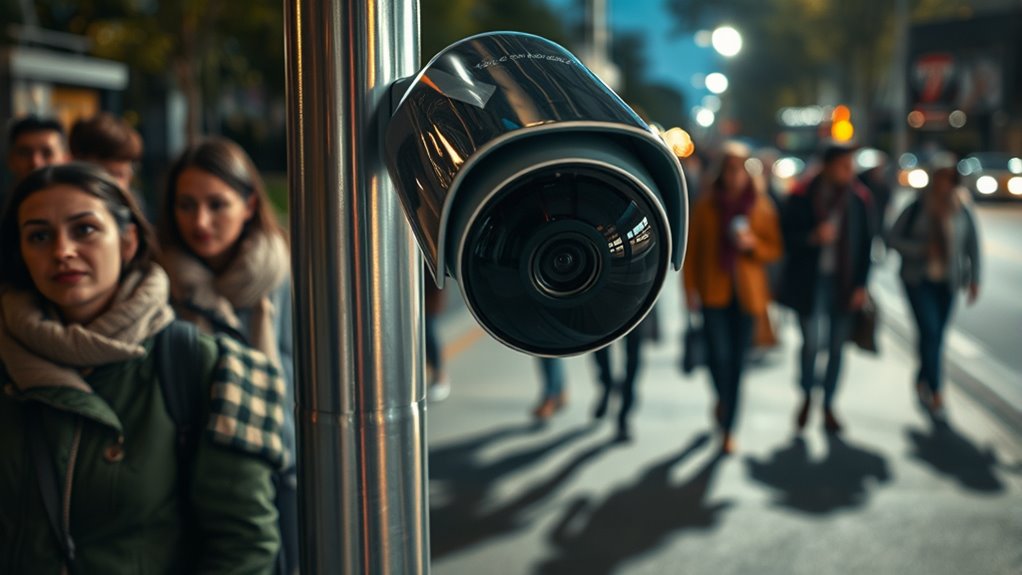

The ethical debate around AI-powered facial recognition cameras hinges on balancing enhanced security with individual privacy rights. While these systems can improve safety and efficiency, they also risk undermining anonymity and perpetuating biases, especially against marginalized communities. Concerns over transparency, consent, and discriminatory practices raise critical questions about how these technologies are deployed. Understanding these nuances is essential for maneuvering the implications of facial recognition in society and considering future developments in this field.
Understanding AI-Powered Facial Recognition Technology
As technology continues to evolve, understanding AI-powered facial recognition is essential for grasping its implications on privacy and security. You might find that facial recognition applications are increasingly prevalent, from law enforcement to personalized marketing. However, the ethical implications of these technologies raise significant questions. How do we balance enhanced security with individual privacy rights? The potential for misuse or bias in these systems can lead to substantial societal consequences. It's vital to reflect on how data is collected, stored, and utilized. Are systems transparent, and do they respect your autonomy? Engaging in this discourse allows you to evaluate the technology's role in society and advocate for responsible use that aligns with your values of freedom and privacy.
The Advantages of Facial Recognition Systems
Facial recognition systems bring several advantages that can enhance both security and convenience in various sectors. One of the most significant benefits is security enhancement, particularly in public spaces where monitoring is essential. These systems can aid in crime prevention by quickly identifying suspects or missing persons, potentially deterring criminal activity. Additionally, consider how user convenience plays a role; facial recognition allows for seamless identity verification, making processes like airport check-ins or banking more efficient. You might appreciate how this technology can minimize wait times and improve overall experiences. However, while these advantages are compelling, it's important to remain curious about the broader implications surrounding their use. Balancing these benefits with ethical considerations is vital for a free society.
Privacy Concerns and the Right to Anonymity
While the advantages of facial recognition technology are evident, it raises significant privacy concerns that cannot be overlooked. The implementation of these systems challenges your anonymity rights and poses ethical dilemmas regarding surveillance practices. You might wonder about the implications of being constantly monitored. Consider these points:
- Loss of Anonymity: Facial recognition undermines your ability to remain anonymous in public spaces.
- Surveillance Ethics: The ethical justification for surveillance must be scrutinized, weighing safety against personal freedoms.
- Potential for Misuse: There's a risk that this technology could be exploited for oppressive purposes, targeting marginalized communities.
As society embraces technological advancements, addressing these privacy concerns is essential to preserving your right to anonymity and ensuring ethical standards in surveillance practices.
The Role of Consent in Surveillance Practices
When considering the role of consent in surveillance practices, it's crucial to examine how informed consent is obtained and its significance in maintaining individual autonomy. You might wonder about the implications of covert surveillance, especially when individuals are unaware their images are being captured and analyzed. How does this lack of transparency affect public trust and the ethical landscape of surveillance technology?
Importance of Informed Consent
How can we truly guarantee that individuals are aware of their surveillance in an age dominated by AI facial recognition cameras? The importance of informed consent becomes paramount in discussing the ethical implications of these technologies. Without clear communication, individuals may unknowingly relinquish their privacy rights, leading to potential abuses.
To foster informed consent, consider the following:
- Transparency: Organizations must clearly disclose their surveillance practices and purposes.
- Accessibility: Information about surveillance should be easily understandable and available to all individuals.
- Opt-in Mechanisms: Providing choices for individuals to consent explicitly can empower personal autonomy.
Informed consent not only respects individual freedom but also encourages ethical responsibility among those deploying AI surveillance technologies.
Implications of Covert Surveillance
As society increasingly embraces AI facial recognition technologies, the implications of covert surveillance practices raise significant ethical concerns, particularly regarding consent. When you consider covert operations, it's vital to question whether individuals are aware that their images are being captured and analyzed. Surveillance ethics dictate that consent should be a cornerstone of any monitoring effort, yet many technologies operate under a veil of secrecy. This lack of transparency can lead to a society where personal freedoms are compromised. How can you trust a system that doesn't prioritize your awareness or agreement? As we navigate this technological landscape, fostering open discussions about consent and ethical surveillance practices is essential to safeguard individual rights while balancing security needs.
Bias and Discrimination in Facial Recognition Algorithms
Although facial recognition technology holds the potential for enhancing security, it often raises critical concerns about bias and discrimination inherent in its algorithms. The issue of algorithmic bias can lead to significant discrimination risk, disproportionately affecting marginalized communities. You might consider the following points:
- Data Representation: Many facial recognition systems are trained on datasets lacking diversity, leading to skewed recognition rates for different demographic groups.
- False Positives: These biases can result in higher false positive rates for individuals of certain ethnicities, increasing the likelihood of wrongful accusations.
- Feedback Loops: Persistent biases can create feedback loops, where inaccuracies reinforce societal stereotypes and deepen systemic inequality.
It's essential to question how these technologies can be improved to guarantee fairness and equity for all individuals.
Law Enforcement Use and Public Safety Considerations
When considering the use of AI facial recognition cameras by law enforcement, you might wonder about the balance between public safety and individual privacy. How accurate are these systems, and do they carry inherent biases that could impact their effectiveness? It is crucial to analyze whether the benefits justify the potential risks to civil liberties.
Privacy Concerns
While the integration of AI facial recognition cameras in law enforcement can enhance public safety, it simultaneously raises significant privacy concerns that merit careful examination. You might wonder how this technology impacts your personal freedoms and data ownership.
Consider these key points:
- Surveillance Capitalism: The pervasive monitoring can lead to a society where your movements are constantly tracked, raising questions about consent.
- Data Ownership: Who truly owns the data collected from these cameras? Are you aware of how your image might be used without your permission?
- Chilling Effect: The potential for misuse of this technology could deter people from exercising their rights to assemble and speak freely.
These aspects highlight the delicate balance between safety and privacy in a rapidly evolving technological landscape.
Accuracy and Bias
The accuracy of AI facial recognition technology is a critical factor in its deployment for law enforcement, as misidentifications can lead to severe consequences for individuals and communities. The issue of algorithmic fairness raises questions about how these systems perform across different demographics. Are certain racial or ethnic groups disproportionately affected by errors? Studies have shown that demographic disparities exist, with people of color often experiencing higher rates of false positives. This not only undermines public trust but can also exacerbate existing societal biases. As you consider the implications of AI in law enforcement, it's vital to ask: How can we guarantee these technologies are both accurate and fair? Your freedom depends on a system that recognizes and rectifies these potential injustices.
The Impact on Civil Liberties and Freedom
As society increasingly embraces technology, the deployment of AI facial recognition cameras raises significant concerns about civil liberties and freedom. You might wonder how these advancements impact your rights. Here are some key points to reflect upon:
- Surveillance Overreach: The constant monitoring can lead to a society where privacy is compromised, raising questions about where the line is drawn.
- Chilling Effect: Knowing you're being watched can deter free expression and dissent, stifling democratic discourse.
- Discriminatory Outcomes: There's a growing concern that biased algorithms may unjustly target marginalized communities, exacerbating existing inequalities.
These issues highlight the intricate balance between technological innovation and the ethical implications on civil liberties. Are we willing to sacrifice our freedoms for perceived security?
Regulatory Frameworks and Legislation
As you consider the current legislative landscape surrounding AI facial recognition, it's essential to examine how existing laws address privacy protection measures. What frameworks are in place to safeguard individual rights, and how do they compare to international regulatory approaches? Understanding these elements can help clarify the complexities of regulating such powerful technology.
Current Legislative Landscape
While advancements in AI facial recognition technology have outpaced legislative responses, various jurisdictions are beginning to establish regulatory frameworks to address the ethical concerns surrounding its use. Legislative challenges arise due to the rapid evolution of technology, leaving lawmakers scrambling to keep up. Here are some emerging policy recommendations:
- Establish Clear Guidelines: Define the acceptable use cases for facial recognition to minimize misuse.
- Implement Oversight Mechanisms: Create independent bodies to review applications and monitor compliance.
- Promote Transparency: Mandate that organizations disclose their use of facial recognition technology and its implications.
As you reflect on these developments, it's vital to contemplate how these frameworks can protect individual freedoms while balancing the benefits of technology.
Privacy Protection Measures
Given the rapid adoption of AI facial recognition technology, it is crucial to explore how privacy protection measures can be effectively integrated into regulatory frameworks and legislation. You might wonder how these measures can address the privacy impact while guaranteeing robust data security.
| Privacy Protection Measure | Description |
|---|---|
| Transparency Requirements | Companies must disclose data usage and collection methods. |
| Consent Protocols | Users should provide explicit consent for data collection. |
| Data Minimization | Limit data collection to what's necessary for specific purposes. |
| Regular Audits | Independent audits to guarantee compliance with privacy standards. |
| Breach Notifications | Prompt notification to affected individuals in case of data breaches. |
These measures can help balance innovation with the freedom to protect individual privacy rights.
International Regulatory Approaches
The global landscape of AI facial recognition regulation varies considerably, raising questions about the effectiveness of diverse approaches in protecting individual rights. As you explore international regulatory frameworks, you'll notice that some countries enforce strict laws while others adopt a more laissez-faire attitude. This inconsistency can create challenges, especially regarding cross-border regulations. Here are three key considerations:
- International Standards: There's a growing need for unified standards to guarantee ethical use.
- Data Protection: Countries differ in their approaches to safeguarding personal data, impacting public trust.
- Law Enforcement: Varying regulations on law enforcement use can lead to misuse or overreach.
Understanding these differences is crucial for advocating freedom while balancing technological advancement.
Public Perception and Trust in Technology
As society increasingly integrates AI facial recognition technology into everyday life, public perception plays an essential role in shaping its acceptance and implementation. You might wonder how public trust influences this technology's future. Many individuals exhibit technology skepticism, driven by concerns over privacy, surveillance, and potential misuse. This skepticism can erode trust, making it vital for developers and policymakers to engage in transparent dialogues about the technology's implications. Are you comfortable with the balance between security and privacy? The effectiveness of AI facial recognition hinges not just on its technical capabilities but also on how you and others perceive its ethical dimensions. Ultimately, fostering a trustworthy environment requires addressing these concerns head-on, ensuring the public feels informed and secure in its use.
Future Directions and Ethical Considerations
While advancements in AI facial recognition technology promise enhanced security and efficiency, they also raise pressing ethical questions that need careful consideration. As you contemplate the future, you might wonder about the ethical implications tied to these technological advancements. Here are some critical areas to explore:
- Privacy Rights: How will mass surveillance affect individual freedoms and privacy?
- Bias and Discrimination: What steps can be taken to guarantee AI systems are free from bias, promoting fairness?
- Accountability: Who should be held responsible when errors occur or when technology is misused?
Engaging with these questions is essential for guiding the future landscape of AI facial recognition. Balancing innovation with ethical responsibilities will ultimately shape societal trust and acceptance.
Frequently Asked Questions
How Do Facial Recognition Systems Affect Surveillance in Public Spaces?
Imagine medieval townsfolk under constant watch; today, facial recognition systems similarly monitor public spaces, raising privacy concerns and impacting public trust. How do you balance security with individual freedoms in this evolving surveillance landscape?
What Are the Key Ethical Principles in AI Development?
When considering AI development, you should prioritize transparency standards and address privacy concerns. How can these principles guide responsible innovation, ensuring technologies respect individual rights while fostering trust in their applications and implications for society?
Can Facial Recognition Technology Be Hacked or Misused?
Imagine shadows lurking, waiting for an opening. Yes, facial recognition technology can be hacked, raising serious hacking risks and privacy concerns. You must consider the implications on personal freedom and security in such a powerful tool's misuse.
What Alternatives Exist to Facial Recognition for Identification?
You might consider biometric identification, voice recognition, identification cards, or behavioral analysis as alternatives. Each option offers unique benefits and challenges, prompting deeper reflection on the balance between security and personal freedom in identification methods.
How Does Facial Recognition Technology Evolve Over Time?
Facial recognition technology's evolution is nothing short of revolutionary; it's seen accuracy improvements over time, yet with those advancements, privacy concerns have intensified. How will society balance innovation with the fundamental right to privacy?
