


The past Speakers of the House have been pivotal in shaping U.S. legislation and governance, each contributing uniquely to the political landscape. From the foundational leadership of Frederick Muhlenberg, the first Speaker, to contemporary figures like Nancy Pelosi, these leaders have navigated complex political waters and left lasting legacies. This article will delve into notable past Speakers, their contributions, and the significant impacts they have had on the House of Representatives and American democracy.
Overview of the Speaker of the House Role
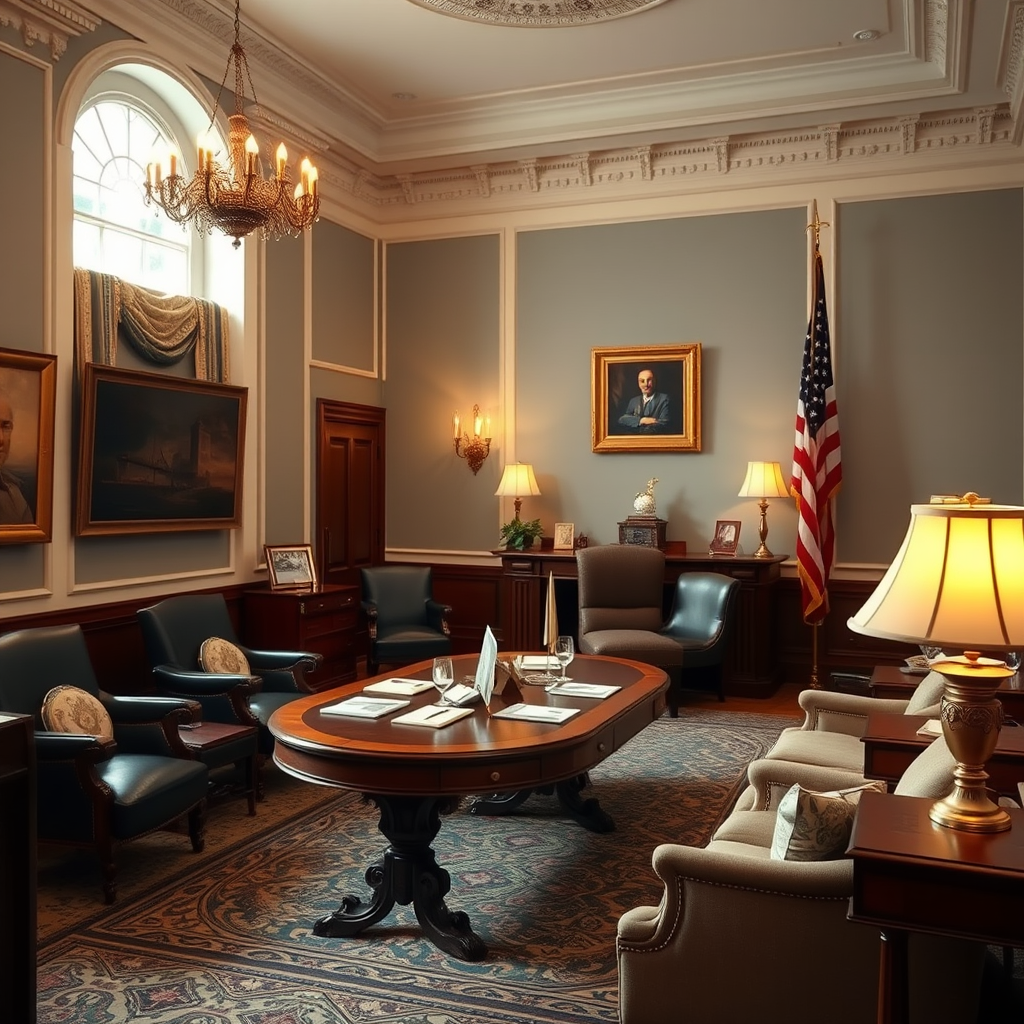
The Speaker of the House of Representatives serves as the presiding officer and is vital in maintaining order during legislative proceedings. Elected by fellow members, the Speaker not only oversees the daily functions of the House but also typically emerges as a leading figure within their political party. This role encompasses a wide array of responsibilities, including setting the legislative agenda, appointing members to committees, and representing the House in all official capacities.
Given the Speaker’s influential position, this role is often seen as a reflection of the political climate of the time. The Speaker must balance the interests of their party with the need for bipartisan cooperation, especially on key legislation. This unique dynamic underscores the importance of leadership in the House, as the Speaker often serves as the face of the majority party’s policy initiatives and legislative goals.
Notable Early Speakers
Frederick Muhlenberg (1789-1791) was the first Speaker of the House, setting numerous precedents that would define the role for generations to come. His leadership during the House’s formative years was crucial in establishing a foundation for legislative procedures and norms. Notably, he emphasized the importance of debate and discussion, encouraging a culture of dialogue that remains a cornerstone of congressional operations today.
Another significant figure in early House history is Newt Gingrich (1995-1999). As Speaker, Gingrich was a transformative figure in American politics, particularly known for his “Contract with America,” which outlined a bold agenda for the Republican Party. His tenure marked a shift towards more aggressive partisan strategies, emphasizing reform in government and accountability. Gingrich’s impact on the Republican Party’s approach to governance was profound, influencing how political battles were waged in subsequent years.
Influence of Modern Speakers
In more recent history, Nancy Pelosi (2007-2011, 2019-2023) has made history as the first woman to serve as Speaker of the House. Her leadership was characterized by significant legislative achievements, including the passage of the Affordable Care Act, which fundamentally reshaped healthcare coverage in the United States. Pelosi’s tenure highlighted the importance of coalition-building and strategic negotiation, especially in a divided Congress. Her ability to navigate complex political landscapes has solidified her legacy as one of the most influential Speakers in modern history.
Paul Ryan (2015-2019) also played a vital role during his time as Speaker, focusing on issues such as tax reform and the federal budget. Ryan’s leadership came during a period of intense partisan division, requiring him to balance the demands of different factions within the Republican Party. His efforts to pass comprehensive tax reform culminated in the Tax Cuts and Jobs Act of 2017, which significantly altered the tax code and aimed to stimulate economic growth.
Notable Legislation Passed Under Different Speakers
| # | Speaker | Years Served | Landmark Legislation | Impact |
|---|---|---|---|---|
| 1 | Sam Rayburn | 1940-1961 | Civil Rights Act | Expanded civil rights |
| 2 | Frederick Muhlenberg | 1789-1791 | House Rules Establishment | Set legislative precedents |
| 3 | Newt Gingrich | 1995-1999 | Contract with America | Shifted party strategy |
| 4 | Nancy Pelosi | 2007-2011, 2019-2023 | Affordable Care Act | Expanded healthcare access |
| 5 | Paul Ryan | 2015-2019 | Tax Cuts and Jobs Act | Lowered corporate tax rates |
| 6 | John Boehner | 2011-2015 | Budget Control Act | Reduced federal spending |
| 7 | Tip O’Neill | 1977-1987 | Tax Reform Act | Significant tax code changes |
Landmark Legislation Passed Under Different Speakers
Throughout U.S. history, various Speakers have led the charge on landmark legislation that reflects the political priorities and societal values of their times. One of the most notable examples is the Civil Rights Act, passed under the leadership of Sam Rayburn from 1940 to 1961. Rayburn’s commitment to civil rights and social justice was instrumental in overcoming significant opposition and moving the legislation through Congress, thereby reshaping American society and promoting equality.
In the modern era, Nancy Pelosi’s role in the passage of the Affordable Care Act cannot be overstated. This comprehensive healthcare reform not only expanded insurance coverage to millions but also marked a significant shift in how healthcare was perceived and managed in the U.S. The act’s legacy continues to influence healthcare policy debates today, reflecting the ongoing challenges and complexities of the American healthcare system.
Challenges Faced by Past Speakers
The role of Speaker of the House is fraught with challenges, particularly in navigating impeachment proceedings. Various Speakers have had to manage inquiries that can disrupt legislative agendas and create significant political turmoil. For instance, the impeachment of President Bill Clinton during Newt Gingrich’s tenure created a highly partisan atmosphere that affected both the House’s operations and the broader political landscape.
Partisan divisions represent another significant challenge. Speakers are often tasked with leading a caucus that may not fully align on key issues, which can complicate efforts to pass legislation. For example, Paul Ryan faced considerable internal dissent within the Republican Party on issues such as immigration and government spending, which ultimately impacted his effectiveness as Speaker.
The Legacy of Past Speakers
Each Speaker of the House has left a distinct legacy that mirrors the political climate of their time. From Frederick Muhlenberg’s foundational work to Nancy Pelosi’s groundbreaking leadership, these figures have influenced not only the legislative process but also the broader fabric of American democracy. Understanding their contributions offers valuable insights into the current political dynamics and the evolving role of the Speaker.
The history of past Speakers of the House reveals their significant influence on American legislation and governance. From the foundational work of early leaders to the modern challenges faced by contemporary Speakers, their legacies continue to shape the political landscape. To learn more about specific topics related to the House of Representatives or to dive deeper into the lives of these influential figures, explore further resources available online.
Frequently Asked Questions
Who are the most notable past Speakers of the House in U.S. history?
Some of the most notable past Speakers of the House include Frederick Muhlenberg, the first Speaker, and Nancy Pelosi, who served multiple terms and is the first woman to hold the position. Other significant figures include Newt Gingrich, who led the Republican Revolution in the 1990s, and Paul Ryan, who was noted for his role in budget reforms.
What are the key responsibilities of the Speaker of the House?
The Speaker of the House is responsible for presiding over House sessions, maintaining order during debates, and ensuring that House rules are followed. Additionally, the Speaker plays a critical role in setting the legislative agenda, appointing members to committees, and representing the House in official capacities.
How has the role of the Speaker of the House evolved over time?
The role of the Speaker of the House has evolved from a primarily procedural position to a powerful leadership role that influences the legislative agenda significantly. Over the years, Speakers have increasingly taken on the responsibility of guiding party strategies, fundraising for campaigns, and engaging with the media, reflecting the growing complexity of American politics.
Why is the Speaker of the House considered a vital position in U.S. governance?
The Speaker of the House is vital in U.S. governance as they are second in the presidential line of succession and play a crucial role in shaping federal legislation. The Speaker’s influence extends to managing the House’s legislative priorities, negotiating with the Senate and the President, and ensuring that the majority party’s agenda is advanced effectively.
Which past Speaker of the House had the most significant impact on American politics?
Newt Gingrich is often cited as a Speaker who had a significant impact on American politics due to his role in the 1994 Republican Revolution, which led to a shift in the political landscape. His initiatives, such as the “Contract with America,” reshaped the legislative process and introduced a more aggressive partisan approach that continues to influence the House today.
References
- Speaker of the United States House of Representatives
https://en.wikipedia.org/wiki/Speaker_of_the_United_States_House_of_Representatives - https://www.congress.gov/biography/search?q=
https://www.congress.gov/biography/search?q= - https://www.archives.gov/electoral-college/speaker-house
https://www.archives.gov/electoral-college/speaker-house - https://www.govtrack.us/congress/members/party_leadership#speaker
https://www.govtrack.us/congress/members/party_leadership#speaker - https://www.history.com/topics/us-government/speaker-of-the-house
https://www.history.com/topics/us-government/speaker-of-the-house - Google Scholar Google Scholar
https://scholar.google.com/scholar?q=past+speakers+of+the+house - Google Scholar Google Scholar
https://scholar.google.com/scholar?q=history+of+the+speaker+of+the+house - Google Scholar Google Scholar
https://scholar.google.com/scholar?q=roles+of+the+speaker+of+the+house - https://www.britannica.com/topic/Speaker-of-the-House-of-Representatives
https://www.britannica.com/topic/Speaker-of-the-House-of-Representatives - Google Scholar Google Scholar
https://scholar.google.com/scholar?q=who+are+the+past+speakers+of+the+house
