
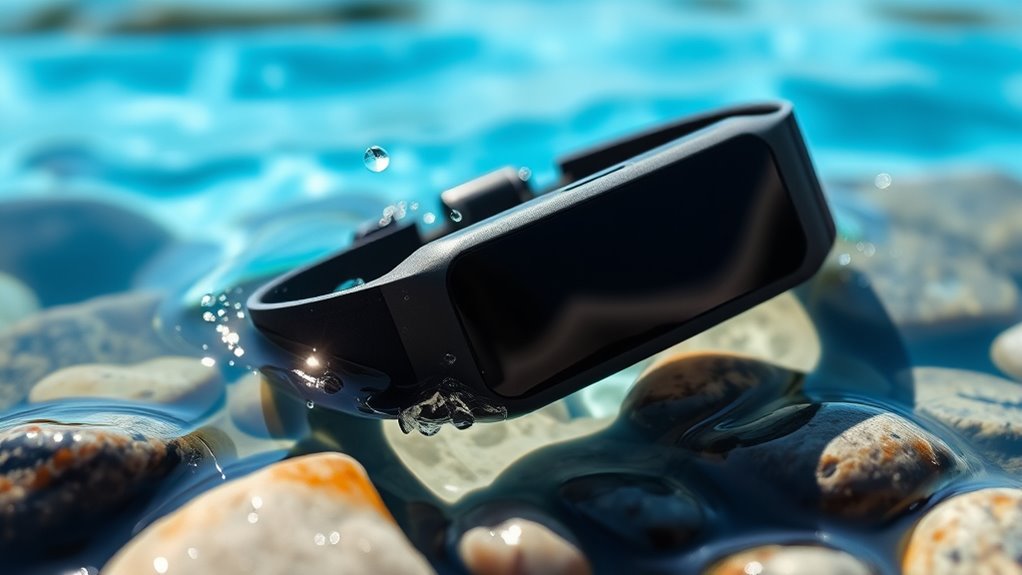

Ankle monitors are generally not waterproof. Exposure to water can lead to malfunctions, such as loss of GPS signals, which might trigger alerts to supervising authorities. This can have legal repercussions for you, as damage from water can be seen as non-compliance. It’s essential to maintain the device’s integrity to avoid complications. Understanding the factors affecting these devices and how to care for them can help you guarantee their proper functionality.
Understanding Ankle Monitor Technology
While ankle monitors serve as an important tool in monitoring individuals under supervision, understanding the technology behind them reveals their complexity. The monitor’s functionality hinges on GPS and cellular technology, allowing real-time tracking accuracy. These devices collect location data, transmitting it to monitoring agencies to guarantee compliance with restrictions. However, various factors can influence tracking accuracy, such as signal interference or geographical limitations. This can lead to potential misinterpretations of your movements, raising concerns about privacy and autonomy. Furthermore, it’s crucial to recognize that while these devices aim to enhance public safety, they can also restrict your freedom. By comprehending the technology, you can better navigate the implications of wearing an ankle monitor in your daily life.
Waterproof Ratings and Standards
Waterproof ratings and standards play an essential role in determining the durability and reliability of ankle monitors exposed to various environmental conditions. These ratings, often based on industry benchmarks like the IP (Ingress Protection) rating system, assess the effectiveness of the waterproof features in the devices. During product testing, monitors are subjected to different levels of moisture and water exposure to guarantee they can withstand real-life scenarios. A higher IP rating indicates better protection against water ingress, which is critical for maintaining functionality. Understanding these standards helps you evaluate which ankle monitors can endure daily activities, particularly when you desire freedom without the fear of damage from unexpected elements. Always check these ratings before making a choice.
Activities That May Affect Ankle Monitors
Engaging in certain activities can considerably impact the performance and longevity of ankle monitors. It’s vital to understand how daily routines might affect your device, especially regarding swimming restrictions and shower precautions. Here’s a breakdown of common activities:
| Activity | Impact on Ankle Monitor | Recommendations |
|---|---|---|
| Swimming | Potential for water damage | Avoid swimming while wearing it |
| Showering | Water exposure risks | Use waterproof covers or avoid showers |
| Exercise | Movement may loosen device | Guarantee secure fit before activities |
| Physical Labor | Increased wear and tear | Check device regularly for integrity |
Being mindful of these factors can help maintain your ankle monitor’s functionality and your freedom. Always prioritize following guidelines to avoid complications.
Consequences of Water Damage
If an ankle monitor is exposed to water, you may face serious consequences that can disrupt both its functionality and your compliance with monitoring requirements. Water damage can lead to malfunctions, such as loss of GPS tracking or inability to send alerts. These failures can trigger notifications to your supervising authorities, resulting in potential legal repercussions or additional restrictions on your freedom. Furthermore, repairing a damaged monitor often incurs significant repair costs, which may not be covered by your monitoring service. This financial burden can add stress to an already challenging situation. Ultimately, maintaining the integrity of your ankle monitor is essential to avoid the pitfalls associated with water damage and guarantee compliance with your monitoring terms.
Tips for Proper Care and Maintenance
To guarantee the longevity and functionality of your ankle monitor, regular care and maintenance are essential. Start with proper cleaning: use a soft, damp cloth to wipe the device regularly, avoiding any harsh chemicals that could damage it. Inspect the monitor for any signs of wear or damage, as early detection can prevent further issues. Additionally, maintain monitoring precautions by ensuring the device fits snugly but comfortably, avoiding excessive movement that might strain the connections. When engaging in activities, keep in mind the need for protection against potential impacts. By adhering to these practices, you can extend the life of your ankle monitor, ensuring it remains a reliable tool for your freedom while complying with necessary regulations.
Frequently Asked Questions
Can Ankle Monitors Be Used While Swimming in a Pool?
Swimming while wearing an ankle monitor isn’t typically allowed due to swimming restrictions. Most monitors lack waterproof features, meaning exposure to water could damage them, risking your freedom and compliance with monitoring conditions.
How Long Can Ankle Monitors Withstand Water Exposure?
Ankle monitors typically have varying water resistance levels, but exposure duration limits can vary considerably. Generally, prolonged exposure to water can harm the device, potentially leading to malfunction or loss of monitoring capabilities.
Are All Ankle Monitors Designed for Outdoor Use?
Not all ankle monitors are designed for outdoor use; some lack waterproof features. Depending on the model, outdoor durability can vary, impacting your freedom to engage in activities without worrying about potential damage from exposure.
What Should I Do if My Ankle Monitor Gets Wet?
If your ankle monitor gets wet, immediately dry it with a cloth and avoid exposure to water. Regular monitor maintenance is essential, as water damage can impair functionality, potentially leading to consequences for your freedom.
Do Ankle Monitors Have a Battery Life Affected by Water?
Water damage can indeed affect an ankle monitor’s battery life, so you’ll want to guarantee proper battery maintenance. If it gets wet, it’s best to address it promptly to avoid further issues down the line.
