


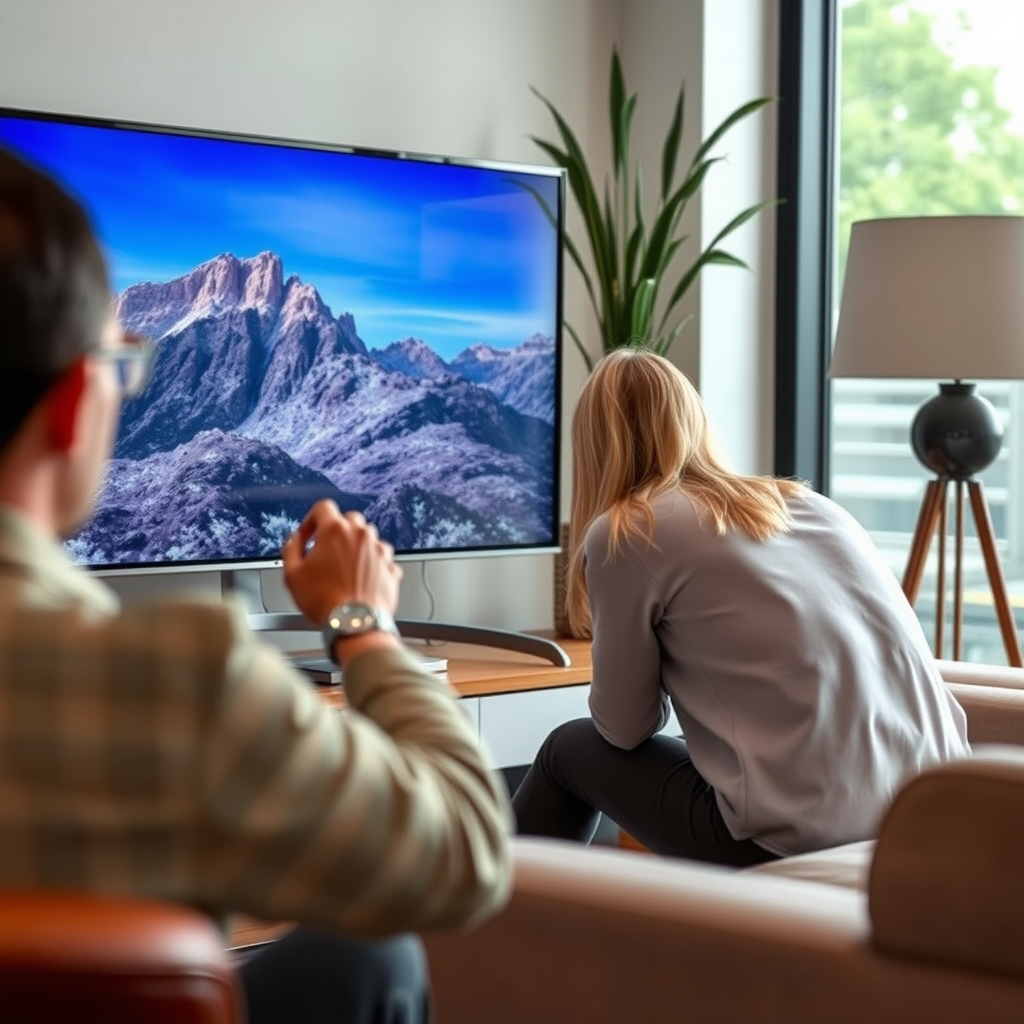
After LASIK surgery, you can generally watch TV, but it’s important to do so with caution. Most doctors recommend limiting screen time during the initial recovery period to avoid eye strain and discomfort. This practice allows your eyes to heal effectively while minimizing potential complications. In this article, we’ll discuss the considerations you should keep in mind when watching TV post-surgery, ensuring a smooth recovery while enjoying your favorite shows.
Understanding LASIK Surgery Recovery
LASIK surgery, or Laser-Assisted In Situ Keratomileusis, is a popular refractive eye surgery that alters the shape of the cornea, allowing light to focus correctly on the retina. While the procedure is quick and effective, it temporarily affects vision and can lead to discomfort during the recovery phase. Most patients experience improved vision within a few days, but complete healing can take several weeks. It’s essential to be aware of the recovery process and adhere to your eye care provider’s instructions to ensure optimal results.
During the initial recovery period, some common side effects may include dry eyes, light sensitivity, and fluctuating vision. Understanding these effects helps patients manage their expectations and take appropriate steps to protect their eyes during recovery.
Initial Recovery Guidelines
In the first 24 hours following LASIK surgery, it is advisable to avoid screens, including TV, smartphones, and computers. This recommendation is crucial as your eyes are particularly sensitive during this time. By abstaining from screen time, you allow your eyes to rest and begin the healing process without additional strain.
After the first day, you can gradually reintroduce screen time but should do so with caution. Start with short viewing sessions, monitoring your comfort levels closely. If you experience any discomfort, such as dryness or fatigue, take a break and rest your eyes. Staying hydrated and using artificial tears can also help alleviate dryness.
Potential Risks of Watching TV Too Soon
Watching TV too soon after LASIK can pose several risks. Extended screen time can exacerbate symptoms like dryness and irritation in the eyes, which are already common after surgery. This discomfort can result in blurred vision, and if left unaddressed, may lead to prolonged recovery or complications.
It’s essential to recognize the signs of strain, including headaches, light sensitivity, or persistent dryness. Ignoring these symptoms may hinder your recovery and impact the success of the LASIK procedure. Therefore, being mindful of your eye health and taking breaks as needed is crucial during this period.
Common Post-LASIK Symptoms and Recovery Tips
| # | Symptom | Duration | Recovery Tip |
|---|---|---|---|
| 1 | Dry Eyes | 1-3 weeks | Use artificial tears regularly |
| 2 | Light Sensitivity | Up to 1 week | Wear sunglasses outdoors |
| 3 | Blurred Vision | 1-2 weeks | Avoid screens until cleared by doctor |
| 4 | Discomfort | 1-3 days | Rest your eyes frequently |
| 5 | Glare | 1-2 weeks | Adjust screen brightness |
| 6 | Tearing | Up to 2 weeks | Use warm compresses as needed |
| 7 | Sensitivity to Wind | 1-2 weeks | Avoid windy environments |
Tips for Comfortable Viewing After LASIK
To ensure a comfortable viewing experience after LASIK, consider implementing the following tips:
1. Use Artificial Tears: Keeping your eyes moist is essential for comfort, especially during the recovery phase. Using preservative-free artificial tears can help alleviate dryness while watching TV.
2. Adjust Screen Settings: Modify the brightness and contrast of your television to reduce glare. Using a blue light filter can also alleviate strain on your eyes.
3. Maintain a Proper Distance: Sit at a comfortable distance from the TV screen to minimize eye strain. Ideally, the screen should be at least five times the diagonal size of the TV away from your eyes.
4. Take Regular Breaks: Follow the 20-20-20 rule; every 20 minutes, look at something 20 feet away for at least 20 seconds. This technique helps reduce eye fatigue.
5. Create a Comfortable Environment: Ensure your viewing environment is well-lit but not too bright to avoid glare. A soft, indirect light source can enhance comfort.
When to Return to Normal Screen Time
After your LASIK surgery, the timeline for returning to normal screen time varies from person to person. It’s crucial to consult your eye care professional about when it’s safe to resume your regular viewing habits. Most doctors suggest waiting at least a few days before gradually increasing screen exposure.
Listen to your body; if you begin to feel discomfort, such as dryness or irritation, take breaks and rest your eyes. If symptoms persist, reach out to your eye care provider for guidance and reassurance.
Signs You Should Stop Watching
There are specific signs that indicate you should stop watching TV and seek further consultation:
– Persistent Dryness or Irritation: If your eyes feel dry or irritated despite using artificial tears, it may be time to take a break from screens.
– Severe Headaches: Frequent headaches while watching may indicate that your eyes are straining too much.
– Blurred Vision: If you experience blurred vision that does not improve, this could be a sign of underlying issues that need to be addressed.
Listening to your body is critical, and taking the necessary steps to protect your vision will ensure a successful recovery.
In summary, while you can watch TV after LASIK surgery, it’s best to take precautions and limit your screen time initially. Always consult your eye care provider for personalized advice and tips tailored to your recovery. If you experience any discomfort, it’s important to listen to your body and give your eyes the rest they need. Implementing these guidelines will help you enjoy your favorite shows while promoting a smooth healing process post-surgery.
Frequently Asked Questions
Can I watch TV immediately after LASIK surgery?
It is generally recommended to avoid watching TV for the first 24 hours after LASIK surgery. During this initial recovery period, your eyes may be sensitive and require rest to facilitate proper healing. After that time, you can gradually resume watching TV, but it’s best to limit screen time to avoid eye strain.
How long should I wait to watch TV after LASIK?
Most LASIK surgeons advise waiting at least 24 hours before watching TV. However, individual recovery times may vary, so it’s essential to follow your surgeon’s specific post-operative guidelines. If you experience discomfort or blurred vision, it may be wise to delay screen activities further.
Why is it important to limit screen time after LASIK surgery?
Limiting screen time after LASIK surgery is crucial because your eyes are in a sensitive healing phase. Prolonged exposure to screens can cause eye strain, dryness, and discomfort, which may impede the recovery process. Following your surgeon’s advice on screen time can help ensure optimal healing and comfort.
What are the best practices for watching TV after LASIK?
To watch TV safely after LASIK, ensure that you are in a comfortable environment with adequate lighting and take frequent breaks to rest your eyes. Use artificial tears to keep your eyes moist, and adjust the screen brightness to a comfortable level. Following these best practices can enhance your viewing experience while promoting healing.
Which types of TV shows or movies are recommended after LASIK surgery?
After LASIK surgery, it’s best to choose light-hearted, less intense shows or movies that don’t require prolonged concentration, such as comedies or nature documentaries. Avoid action-packed films or shows with rapid scene changes that could strain your eyes. Opting for relaxing content will help you enjoy your viewing experience while minimizing discomfort.
References
- https://www.mayoclinic.org/tests-procedures/lasik-surgery/about/pac-20385569
https://www.mayoclinic.org/tests-procedures/lasik-surgery/about/pac-20385569 - LASIK Surgery – American Academy of Ophthalmology
https://www.aao.org/eye-health/treatments/lasik-surgery - https://www.ncbi.nlm.nih.gov/pmc/articles/PMC6232065/
https://www.ncbi.nlm.nih.gov/pmc/articles/PMC6232065/ - https://www.ncbi.nlm.nih.gov/pmc/articles/PMC6471945/
https://www.ncbi.nlm.nih.gov/pmc/articles/PMC6471945/ - https://www.who.int/news-room/fact-sheets/detail/lasik-surgery
https://www.who.int/news-room/fact-sheets/detail/lasik-surgery - https://www.britannica.com/science/lasik-surgery
https://www.britannica.com/science/lasik-surgery - Google Scholar Google Scholar
https://scholar.google.com/scholar?q=lasik+surgery+post-operative+care - Google Scholar Google Scholar
https://scholar.google.com/scholar?q=watching+tv+after+lasik+surgery - Google Scholar Google Scholar
https://scholar.google.com/scholar?q=lasik+surgery+recovery+guidelines - Google Scholar Google Scholar
https://scholar.google.com/scholar?q=can+i+watch+tv+after+lasik+surgery
