
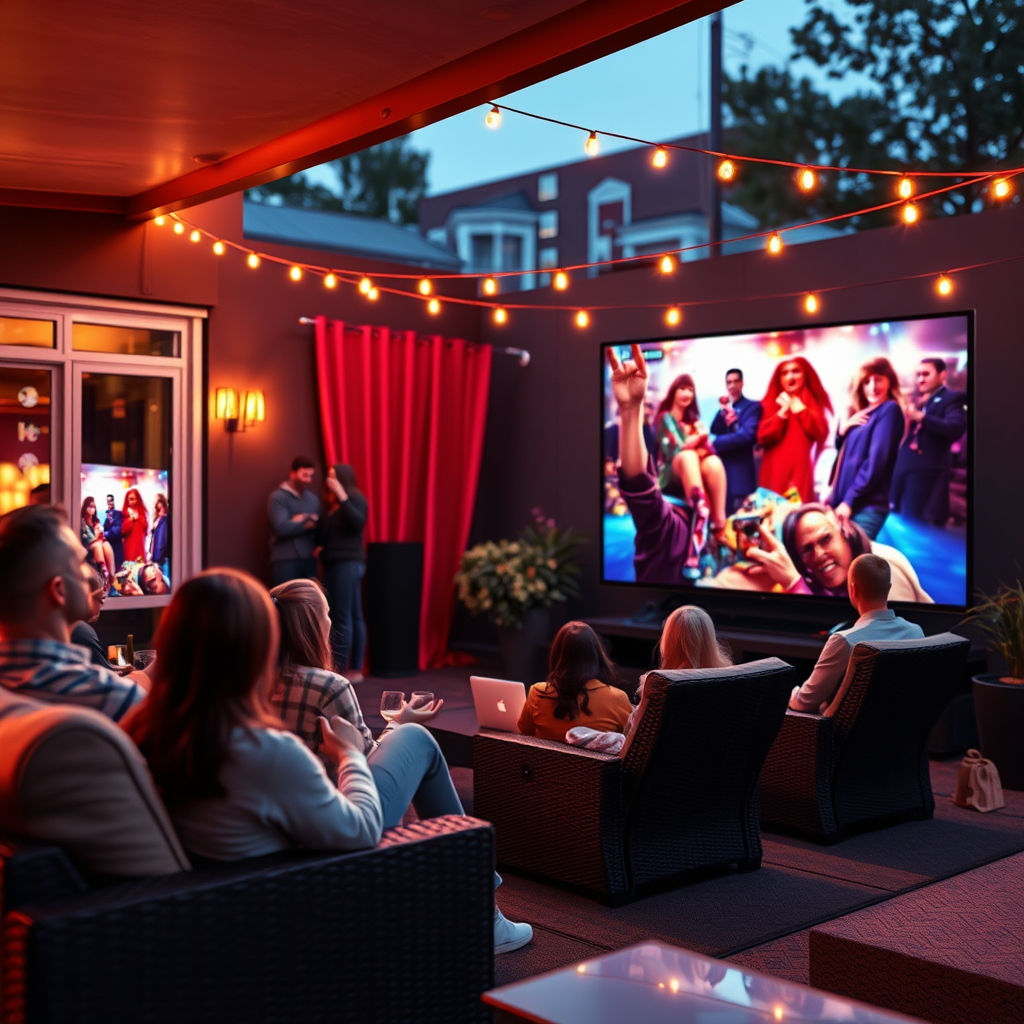

Leaving a TV outside is generally not advisable due to several environmental factors that can damage it. Exposure to elements like rain, humidity, and extreme temperatures can significantly reduce a television’s lifespan. In this article, we’ll explore why outdoor exposure can be harmful, what precautions you can take if you must leave it outside, and alternatives to consider for outdoor viewing.
Understanding the Risks of Leaving a TV Outside
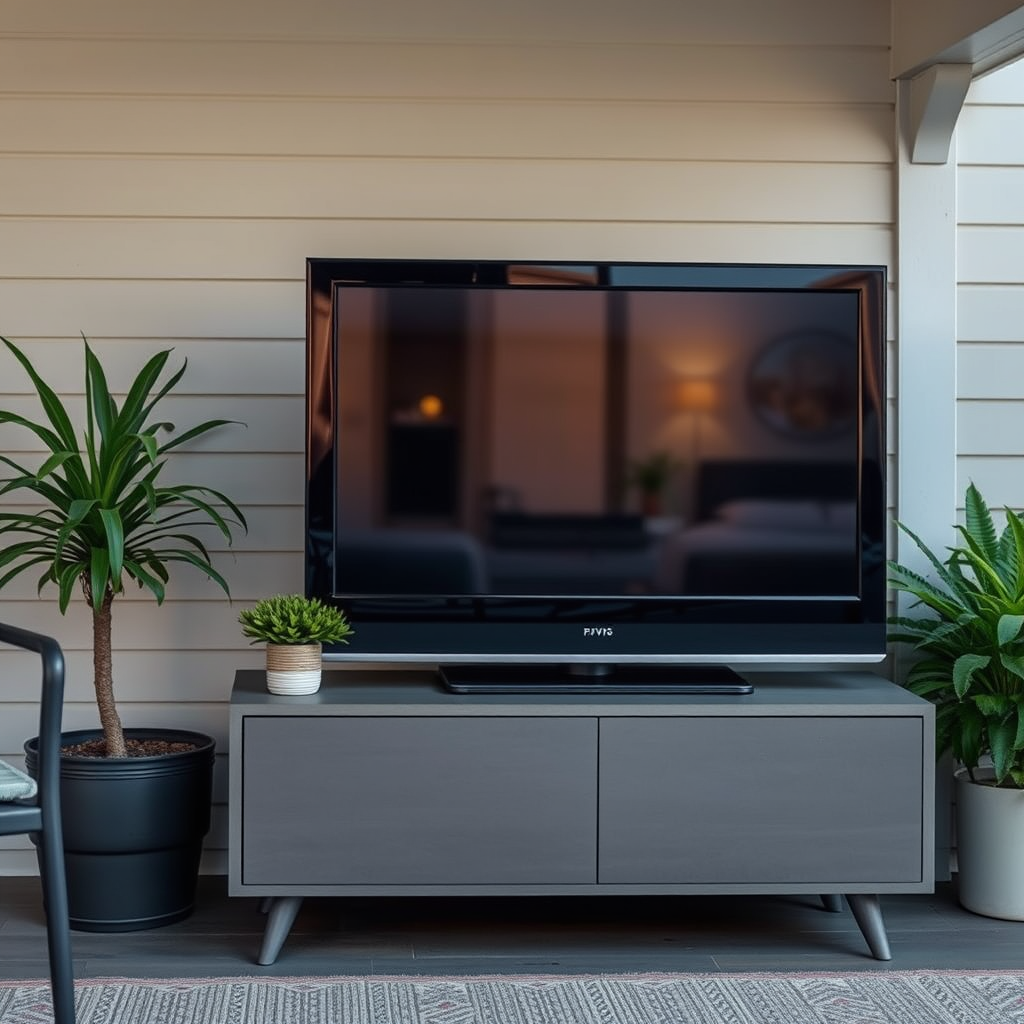
Televisions are sophisticated electronic devices that are designed primarily for indoor use. When left outside, they are vulnerable to various environmental threats. One of the most significant risks is weather damage. Rain and humidity can seep into the internal components of the TV, causing short circuits or corrosion. Additionally, extreme temperatures—both hot and cold—can lead to malfunctioning. For instance, high temperatures can cause overheating, which may damage the internal circuitry and screen, while frigid conditions can lead to screen cracking.
Another often-overlooked risk is direct sunlight. Prolonged exposure to sunlight not only causes the screen to fade but can also lead to overheating. The ultraviolet (UV) rays can damage the display, and the heat can warp the casing, resulting in permanent damage. Dust and debris can also accumulate on the screen and vents, obstructing airflow and potentially leading to overheating.
Preparing Your TV for Outdoor Use
If you must leave your TV outside, taking appropriate precautions is essential to mitigate potential damage. One of the best practices is to invest in a weather-resistant cover specifically designed for electronics. These covers provide a barrier against moisture, dust, and UV rays, offering a layer of protection when the TV is not in use. Ensure that the cover fits snugly to prevent any exposure to the elements.
Proper ventilation is also crucial, especially in warm climates. If you are using a protective enclosure, make sure it allows for adequate airflow to avoid overheating. Positioning the TV in a shaded area can help minimize direct sunlight exposure. Additionally, keeping the television elevated off the ground can prevent water damage from puddles during rainstorms.
Options for Outdoor Viewing
When considering outdoor television options, investing in an outdoor-rated TV can be a wise decision. Unlike standard TVs, outdoor-rated models are designed to withstand harsh weather conditions, including rain and extreme temperatures. These TVs often come with anti-glare screens and enhanced brightness to ensure visibility even in direct sunlight.
If an outdoor TV is outside your budget, consider using a projector and screen setup for your outdoor movie nights instead. Projectors can provide a large viewing area with less risk of damage, as they can be easily stored indoors when not in use. There are also portable screens that can be set up and taken down quickly, allowing for a flexible outdoor viewing experience.
Comparison of Outdoor TV Options (2024)
| # | Model | Screen Size | Weather Resistant | Price |
|---|---|---|---|---|
| 1 | SunBriteTV Veranda Series | 55″ | Yes | $2,299 |
| 2 | Samsung The Terrace | 65″ | Yes | $3,499 |
| 3 | LG Outdoor TV | 75″ | Yes | $4,999 |
| 4 | TCL 4-Series | 55″ | No | $449 |
| 5 | Sony X950H | 65″ | No | $2,299 |
| 6 | VIZIO 4K Smart TV | 50″ | No | $399 |
| 7 | Hisense Outdoor TV | 65″ | Yes | $1,599 |
Best Practices for Outdoor TV Setup
Setting up an outdoor TV requires careful consideration to ensure its longevity and performance. First, always position your TV in a shaded, dry area to minimize direct exposure to rain and sunlight. Using a patio or outdoor cover can help keep the device protected from the elements when not in use.
Additionally, elevating the TV off the ground is crucial in preventing potential water damage from puddles. A wall mount or suitable stand can facilitate this elevation and provide a secure installation. Furthermore, consider using a surge protector to safeguard against electrical surges that can occur during thunderstorms or power outages.
Lastly, ensure that your outdoor space has a reliable internet connection if you plan to stream content. This may involve installing a Wi-Fi extender to improve connectivity in the outdoor area.
Maintenance Tips for Outdoor TVs
Regular maintenance is essential for outdoor TVs to ensure they remain in optimal condition. Start with routine inspections to check for signs of moisture or corrosion, especially after storms. If you notice any signs of water damage, promptly take corrective actions to prevent further issues.
Cleaning the TV should also be a priority. Use a microfiber cloth to gently wipe down the screen and remove dust, fingerprints, and debris. Make sure to avoid using harsh chemicals that can damage the screen’s protective layer. Additionally, check the remote control for weather-related wear and replace the batteries as needed.
For TVs not rated for outdoor use, consider bringing them indoors during inclement weather. Storing them in a safe and dry place can significantly prolong their lifespan and functionality.
Potential Alternatives to Leaving a TV Outside
If leaving a TV outside seems too risky, there are several alternative solutions for outdoor entertainment. One option is using portable movie screens, which can be easily set up and taken down. These screens can provide a large viewing area and can be used in conjunction with projectors for a cinema-like experience.
Outdoor speakers are another excellent addition for enhancing your outdoor entertainment. High-quality portable speakers can be paired with mobile devices or projectors to deliver impressive sound without the risk of damage associated with leaving a TV outdoors.Moreover, consider investing in outdoor furniture that accommodates indoor electronics safely. Purpose-built cabinets or enclosures can shield devices from weather while providing a stylish and functional outdoor setup.
Leaving a TV outside can lead to irreversible damage, but with the right precautions and alternatives, you can enjoy outdoor entertainment safely. If you’re considering outdoor options, think about investing in weather-resistant technology or creative setups that enhance your experience without compromising your devices. Prioritizing safety and maintenance will help you maximize your outdoor entertainment experience while protecting your valuable electronics.
Frequently Asked Questions
Can you leave a TV outside during the summer?
Leaving a TV outside during the summer is not recommended due to high temperatures and humidity, which can damage the internal components. Most standard TVs are not designed to withstand extreme weather conditions, so it’s best to bring them indoors or use a weatherproof enclosure specifically designed for outdoor electronics.
What type of TV is best for outdoor use?
The best type of TV for outdoor use is an outdoor-rated television, which is built to resist moisture, temperature fluctuations, and UV exposure. Brands like SunBrite and MirageVision offer models specifically designed for outdoor conditions, ensuring durability and optimal performance in varying weather.
How can I protect my TV from rain if I leave it outside?
To protect your TV from rain, you should use a weatherproof cover or enclosure when it’s not in use. Additionally, placing the TV under a covered patio or awning can help shield it from direct exposure to rain and moisture, extending its lifespan and functionality.
Why is it a bad idea to leave a regular TV outside?
Leaving a regular TV outside is a bad idea because it exposes the device to elements such as rain, snow, and direct sunlight, which can lead to irreversible damage. Furthermore, fluctuating temperatures can cause condensation inside the TV, potentially ruining internal circuits and voiding warranties.
Which accessories are necessary for setting up an outdoor TV?
Essential accessories for setting up an outdoor TV include a weatherproof mounting bracket, a protective cover, and an outdoor-rated power supply. Additionally, consider investing in a high-quality HDMI cable that can withstand outdoor conditions and a sound system designed for open-air environments to enhance your viewing experience.
References
- https://www.bbc.com/future/article/20211101-what-happens-when-you-leave-an-electronic-device-outside
https://www.bbc.com/future/article/20211101-what-happens-when-you-leave-an-electronic-device-outside - https://www.sciencedirect.com/science/article/pii/S0040162518301954
https://www.sciencedirect.com/science/article/pii/S0040162518301954 - https://www.nytimes.com/2020/07/17/technology/leave-your-phone-outside.html
https://www.nytimes.com/2020/07/17/technology/leave-your-phone-outside.html - https://www.mayoclinic.org/healthy-lifestyle/adult-health/in-depth/electronics-and-your-health/art-20274520
https://www.mayoclinic.org/healthy-lifestyle/adult-health/in-depth/electronics-and-your-health/art-20274520 - https://www.britannica.com/science/electronics
https://www.britannica.com/science/electronics - https://www.pubmed.ncbi.nlm.nih.gov/29260636/
https://www.pubmed.ncbi.nlm.nih.gov/29260636/ - https://www.nature.com/articles/s41598-018-36409-2
https://www.nature.com/articles/s41598-018-36409-2 - Google Scholar Google Scholar
https://scholar.google.com/scholar?q=can+you+leave+a+tv+outside - Google Scholar Google Scholar
https://scholar.google.com/scholar?q=electronics+exposure+to+weather+elements - can you leave a tv outside – Search results
https://en.wikipedia.org/wiki/Special:Search?search=can+you+leave+a+tv+outside
