
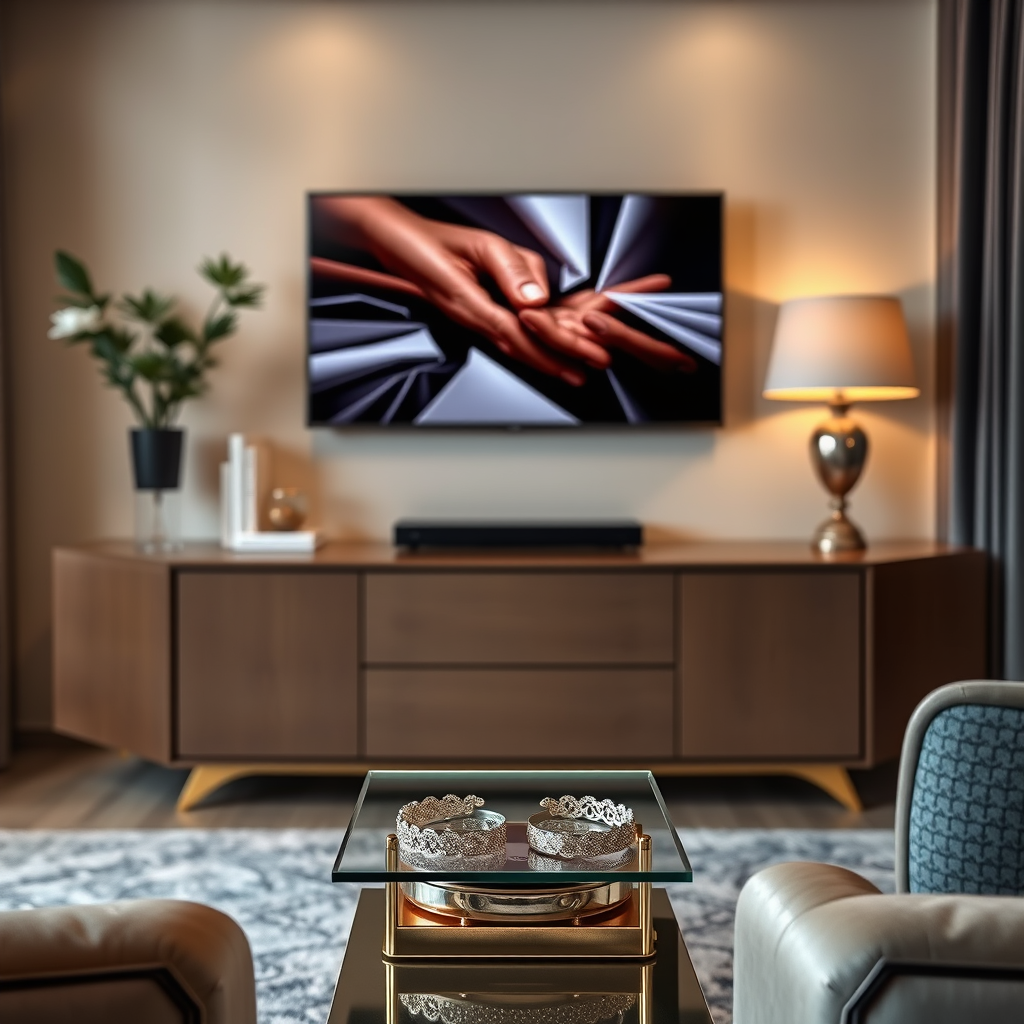

Yes, you can absolutely use a sideboard as a TV stand! Not only does this option provide a practical solution for television placement, but it also enhances the style and character of your living space. With a myriad of designs and functionalities, sideboards can serve as a stylish foundation for your TV while simultaneously offering valuable storage for media equipment and accessories. In this article, we will delve into the benefits of using a sideboard, offer tips on selecting the right one, and provide insights on how to style it effectively for your home.
Benefits of Using a Sideboard as a TV Stand
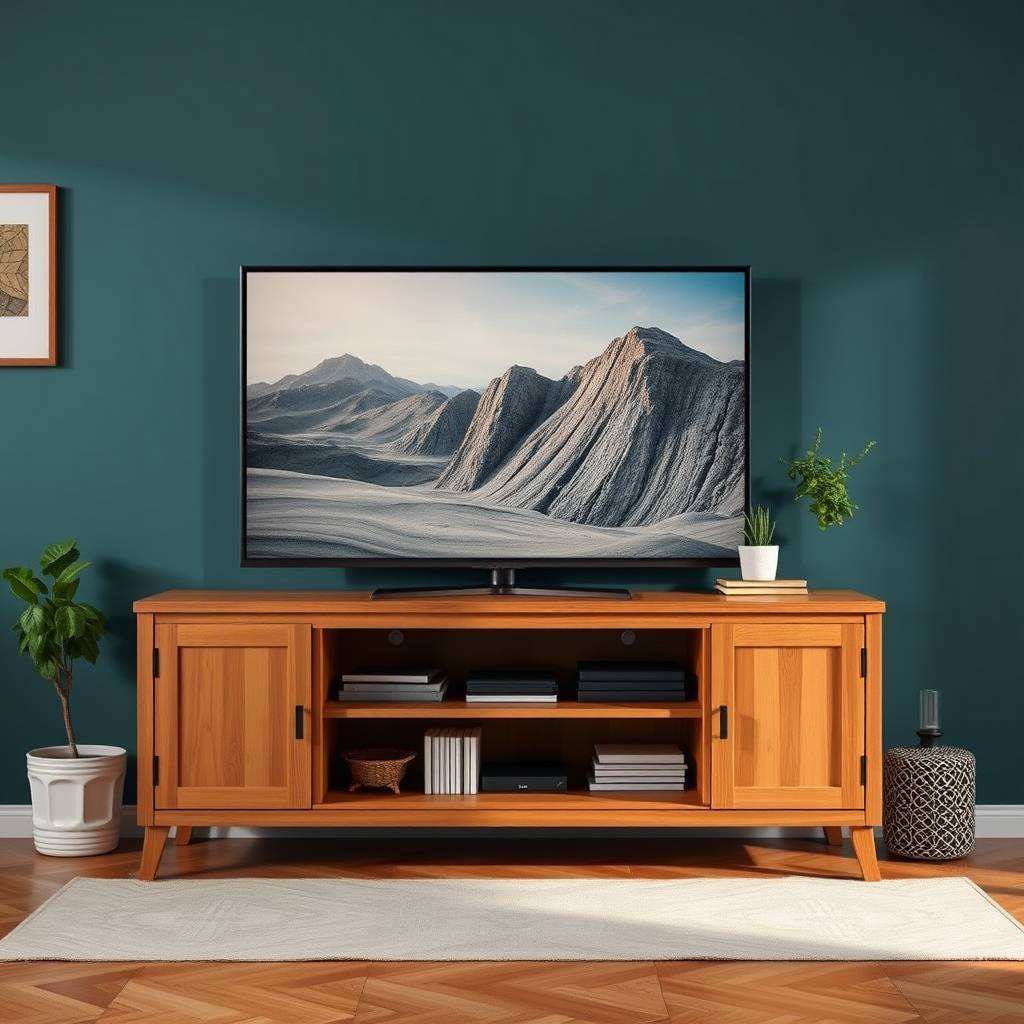
One of the foremost advantages of using a sideboard as a TV stand is the storage solutions it provides. Sideboards typically feature a combination of cabinets and drawers, which are ideal for housing remote controls, DVDs, gaming consoles, and other media accessories. This organized storage helps to keep your living area clutter-free, allowing you to enjoy your entertainment setup without the distraction of visible cords and equipment.
Moreover, sideboards come in a variety of stylish designs that can cater to different aesthetics, from modern minimalist to vintage charm. With options in various materials such as wood, metal, and glass, you can select a piece that seamlessly integrates with your existing decor. A well-chosen sideboard can serve as a focal point in your living room, complementing the overall ambiance and enhancing your interior design.
Key Considerations for Height and Size
When considering a sideboard for your TV stand, it is essential to evaluate the height compatibility. The ideal height for a TV stand is such that the center of the television screen is at eye level when seated. For most viewers, this usually translates to a height of approximately 42 to 48 inches from the floor. Make sure to measure both your television and the sideboard to ensure a comfortable viewing experience.
Additionally, you should assess the weight capacity of your chosen sideboard. Not all sideboards are designed to support the weight of a television, especially larger models. Check the construction quality and specifications to confirm that the sideboard can adequately hold your TV without risk of tipping or collapsing.
Styling Your Sideboard TV Stand
Styling your sideboard effectively can elevate your living space while maintaining its functionality. Consider incorporating decorative elements such as potted plants, picture frames, or art pieces. These accessories can enhance the aesthetic appeal of your sideboard and provide a personalized touch to your entertainment area. However, it’s crucial to keep the balance between decoration and functionality; avoid overcrowding the surface to maintain a clean, organized look.
Another essential aspect of styling is cable management. With multiple devices connected to your TV, tangled cables can create a messy appearance. Utilize cable clips or decorative boxes to hide and organize wires, ensuring they remain out of sight. This will not only improve the visual appeal but also make maintenance easier.
Popular Sideboard Styles for TV Stands (2024)
| # | Style | Material | Height (inches) | Storage Capacity (cubic feet) |
|---|---|---|---|---|
| 1 | Modern Minimalist | Wood | 30 | 10 |
| 2 | Rustic Charm | Reclaimed Wood | 34 | 12 |
| 3 | Scandinavian | Birch | 28 | 9 |
| 4 | Industrial | Metal | 36 | 15 |
| 5 | Art Deco | Glass & Wood | 32 | 11 |
| 6 | Mid-Century Modern | Teak | 29 | 10 |
| 7 | Contemporary | Laminate | 31 | 8 |
Choosing the Right Sideboard Material
Selecting the appropriate material for your sideboard is crucial for both aesthetics and durability. Wood is a popular choice, as it offers warmth and a classic appeal. Different wood types, such as oak, pine, or walnut, can lend various styles to your sideboard. For a more contemporary look, metal sideboards can introduce an industrial edge and are often more resilient to wear and tear.
When choosing a sideboard, also consider the finish and color. A natural wood finish can create a rustic atmosphere, while painted options can add a pop of color or a modern touch. It’s advisable to match the finish with other furniture pieces in the room to create a cohesive look. For instance, if your other furniture is dark-stained wood, a similar finish on the sideboard can enhance the overall harmony in the space.
Practical Tips for Setup
The placement of your sideboard can significantly affect the overall feel of your living space. Position your sideboard against a wall to create a focal point that draws attention to your entertainment area. This arrangement can help in maximizing floor space and providing a more open and airy feel to the room.
Additionally, it is vital to implement safety measures when setting up your TV on a sideboard. To prevent tipping, secure the TV either to the sideboard itself or to the wall with anti-tip straps. This precaution is especially important in homes with children or pets, where accidental bumps could result in a dangerous situation.
Alternatives to Traditional Sideboards
If a traditional sideboard doesn’t fit your needs, consider multi-functional furniture options such as console tables or media cabinets. These alternatives often provide similar storage solutions while presenting different aesthetics. For instance, a media cabinet may offer built-in cable management and doors to conceal equipment.
Another option is to explore custom solutions. Custom-built furniture can be tailored to fit your specific needs and style preferences, ensuring a perfect fit for your space. Whether it’s a designed TV console that incorporates additional storage or a sideboard with specific dimensions, custom solutions can elevate your entertainment setup to a new level.
Using a sideboard as a TV stand can be a stylish and functional choice for your home. By considering the height, material, and how you style it, you can create an inviting space that meets your entertainment needs. If you’re looking to refresh your living room, why not explore sideboards that fit both your decor and your television setup? This versatile piece not only serves a practical purpose but also enhances the overall aesthetic of your home, making it a worthy investment for any living space.
Frequently Asked Questions
Can you use a sideboard as a TV stand?
Yes, you can use a sideboard as a TV stand, provided it is sturdy enough to support the weight of your television. Sideboards often offer additional storage space for media devices, DVDs, and other accessories, making them a functional and stylish alternative to traditional TV stands.
What are the advantages of using a sideboard instead of a traditional TV stand?
Using a sideboard as a TV stand provides a unique aesthetic, as they often feature beautiful designs and finishes that can enhance your living space. Additionally, sideboards typically offer more storage options, allowing you to keep your media area organized and clutter-free, while also serving as a decorative piece.
How do I choose the right sideboard for my TV?
To choose the right sideboard for your TV, first measure the dimensions of your television to ensure it fits comfortably on the surface. Consider the height of the sideboard as well; it should be at a level that allows for comfortable viewing. Finally, assess the storage needs you have for media components and choose a sideboard that accommodates those requirements.
Why is it important to consider the weight capacity of a sideboard for a TV?
It is crucial to consider the weight capacity of a sideboard when using it as a TV stand to prevent damage or accidents. A sideboard that cannot support the weight of your television may sag, tip over, or even break, leading to costly repairs or replacement of your TV. Always check the manufacturer’s specifications to ensure safety and stability.
Which sideboard styles work best for a modern TV setup?
For a modern TV setup, sideboards with clean lines, minimalistic designs, and neutral colors are often the best choice. Look for sideboards made from materials like wood, metal, or glass that complement your decor. Additionally, sideboards with open shelving can provide a contemporary look while also allowing easy access to media devices.
References
- https://en.wikipedia.org/wiki/Television_stand
https://en.wikipedia.org/wiki/Television_stand - https://www.bbc.com/culture/article/20191009-how-the-tv-stand-became-the-centre-of-the-living-room
https://www.bbc.com/culture/article/20191009-how-the-tv-stand-became-the-centre-of-the-living-room - https://www.nytimes.com/2019/05/02/realestate/tv-stands-vs-wall-mounted-tvs.html
https://www.nytimes.com/2019/05/02/realestate/tv-stands-vs-wall-mounted-tvs.html - https://www.sciencedirect.com/topics/engineering/furniture-design
https://www.sciencedirect.com/topics/engineering/furniture-design - Furniture | Definition, History, Styles, & Facts | Britannica
https://www.britannica.com/topic/furniture - Google Scholar Google Scholar
https://scholar.google.com/scholar?q=can+you+use+a+sideboard+as+a+tv+stand - Google Scholar Google Scholar
https://scholar.google.com/scholar?q=sideboard+tv+stand+design - Google Scholar Google Scholar
https://scholar.google.com/scholar?q=interior+design+tv+stand+options - https://www.nichd.nih.gov/health/topics/furnishings/condition/faq
https://www.nichd.nih.gov/health/topics/furnishings/condition/faq - can you use a sideboard as a tv stand – Search results
https://en.wikipedia.org/wiki/Special:Search?search=can+you+use+a+sideboard+as+a+tv+stand
