


In today’s world, binge-watching is not just a guilty pleasure; it’s a widely embraced hobby that many people indulge in. With a plethora of streaming platforms offering entire seasons of shows at the click of a button, it’s easy to understand why audiences find themselves captivated for hours on end. This article delves into the reasons behind our passion for binge-watching, the psychological benefits it offers, and how to enjoy this pastime mindfully without the burden of guilt.
The Allure of Binge-Watching
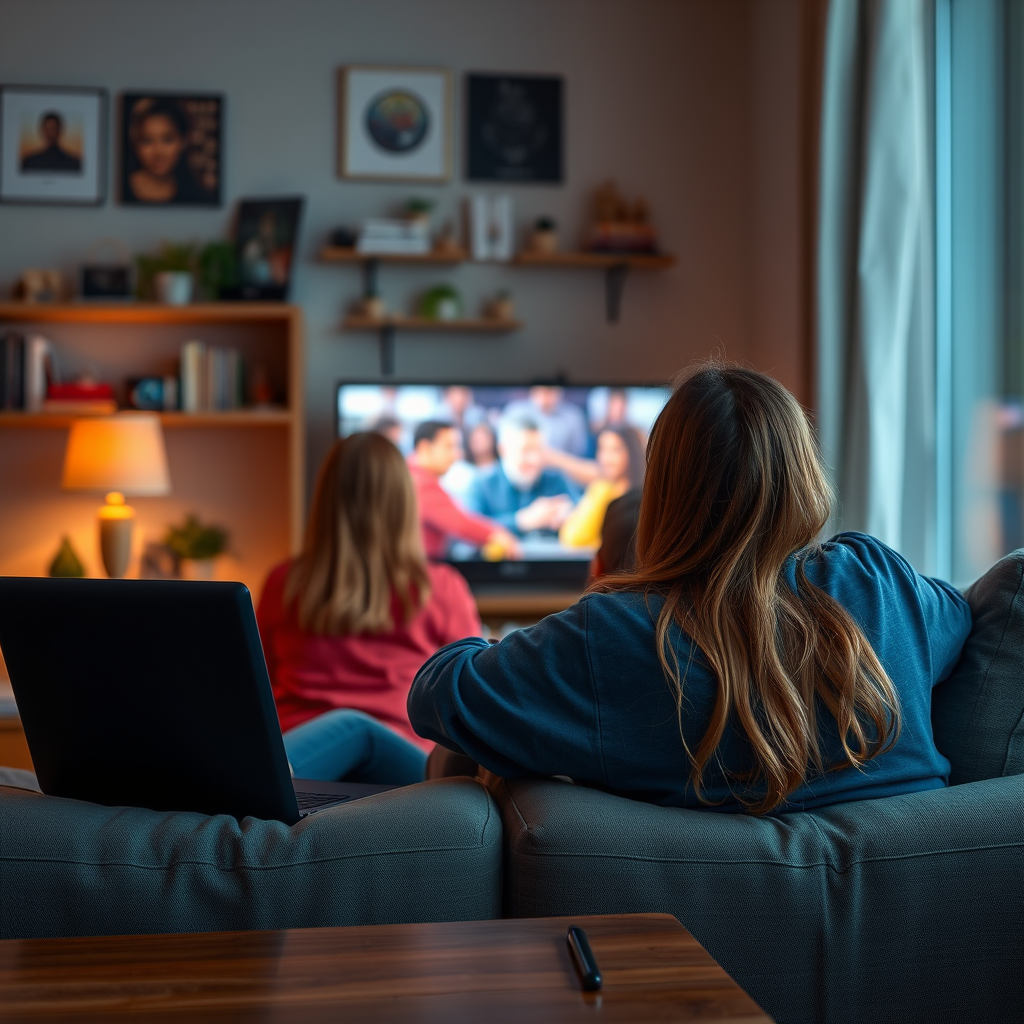
The convenience of on-demand streaming services like Netflix, Hulu, and Amazon Prime Video has revolutionized how we consume television. Unlike traditional viewing schedules that required viewers to tune in at specific times, streaming allows audiences to dive into entire seasons at their own pace. This flexibility creates an irresistible opportunity to immerse oneself in a captivating story without interruptions.
Moreover, engaging storylines, complex characters, and intricate plots often lead to addictive viewing experiences. Shows like “Breaking Bad,” “Stranger Things,” and “The Crown” have become cultural phenomena, drawing viewers in with their compelling narratives and emotional depth. As viewers become invested in the characters’ journeys, the desire to continue watching only intensifies, leading to marathon viewing sessions.
Psychological Benefits of Watching TV
Television can serve as a valuable tool for escapism, allowing individuals to disconnect from the stresses of daily life. When viewers immerse themselves in a fictional world, it can provide a much-needed respite from reality, reducing anxiety and offering a sense of comfort. Studies have shown that engaging with well-crafted narratives can stimulate the release of dopamine, a neurotransmitter associated with pleasure and reward.
Additionally, shows that resonate with personal experiences can foster emotional connections. For instance, a viewer grappling with loss may find solace in a drama that addresses grief, while someone navigating the complexities of adulthood may relate to a coming-of-age series. These connections not only provide comfort but also help individuals feel less isolated in their struggles.
Recognizing Signs of Excessive Viewing
While binge-watching can be enjoyable, it’s vital to recognize when it shifts from a leisurely pastime to an obsession. Understanding the signs of excessive viewing is crucial for maintaining well-being. One common indicator is losing track of time. If you find yourself watching multiple episodes in a row without a conscious decision to do so, it may be time to reassess your viewing habits.
Tracking your screen time can also help identify patterns of overindulgence. Many streaming services provide viewing history and time spent watching content, which can be an eye-opener. If you notice a consistent trend of binge-watching that interferes with daily responsibilities, relationships, or mental health, it may be time to implement some changes.
Top 7 Binge-Worthy TV Shows of 2023
| # | Show | Genre | Seasons | Viewer Rating |
|---|---|---|---|---|
| 1 | The Last of Us | Drama/Thriller | 1 | ★★★★☆ |
| 2 | Succession | Drama | 4 | ★★★★★ |
| 3 | The Witcher | Fantasy | 2 | ★★★★☆ |
| 4 | Ted Lasso | Comedy | 3 | ★★★★★ |
| 5 | Stranger Things | Sci-Fi/Horror | 4 | ★★★★☆ |
| 6 | The Crown | Drama | 5 | ★★★★★ |
| 7 | Daredevil | Action/Drama | 3 | ★★★★☆ |
Strategies for Mindful Binge-Watching
To maintain a healthy relationship with binge-watching, implementing strategies for mindful viewing is essential. One effective approach is to set viewing limits or create a schedule. Designating specific times for watching your favorite shows can help balance entertainment with other life activities, preventing TV from overshadowing responsibilities or social interactions.
Additionally, opt for high-quality shows that enrich your viewing experience. Rather than settling for mindless content, seek out series that challenge your intellect, provoke thought, or inspire creativity. Shows like “Black Mirror” and “Fargo” often offer profound social commentary and engage viewers on a deeper level, making the viewing experience more fulfilling.
The Social Aspect of TV Watching
Television does not have to be a solitary experience. Watching shows with friends or family can significantly enhance the enjoyment of a series. Sharing reactions, discussing plot twists, and debating character motivations fosters connections and creates shared memories. Whether it’s a weekly viewing party or a casual get-together, the social aspect of TV watching can amplify the experience.
Engaging in discussions about favorite shows can also deepen your understanding of the content. Online forums, social media groups, and fan clubs provide platforms for viewers to dissect episodes, share theories, and bond over mutual interests. This interaction not only enriches the viewing experience but also encourages a sense of community among fans.
Exploring New Genres and Formats
To keep your viewing experience fresh and exciting, consider experimenting with different genres and formats. Often, viewers become accustomed to specific types of shows, which can lead to a sense of monotony. By branching out, you not only discover hidden gems but also expand your perspective on storytelling.
For instance, if you typically watch dramas, try diving into documentaries or international series. Documentaries like “Our Planet” or “The Social Dilemma” can provide educational insights while still being engaging, while international shows like “Money Heist” or “Dark” introduce unique narratives and cultural contexts. This exploration can rejuvenate your passion for TV and prevent burnout.
Finding Balance: When to Take a Break
Recognizing when it’s time to step away from the screen is crucial for maintaining a healthy balance in life. If you find that binge-watching begins to interfere with your daily routines, hobbies, or social interactions, it may be time for a self-imposed break. Implementing a “digital detox” day, where you disconnect from screens and engage in offline activities, can be refreshing and provide a new perspective on your viewing habits.
Consider using this time to explore other hobbies, spend time outdoors, or connect with friends and family. These activities can enhance your overall well-being and help prevent the negative effects of excessive screen time.
In conclusion, finding a balance between enjoying your favorite shows and maintaining a healthy lifestyle is key. By embracing your passion for TV while being mindful of your viewing habits, you can continue to enjoy the medium without guilt. Consider implementing some of the strategies discussed to enhance your viewing experience and ensure that your love for TV remains a positive part of your life.
Frequently Asked Questions
What are some strategies to manage excessive TV watching?
To manage excessive TV watching, set specific time limits for your viewing sessions and stick to them. Consider creating a schedule that includes alternative activities, such as reading or exercising, to fill the time you would otherwise spend in front of the screen. Additionally, try to watch shows that offer educational content or encourage discussion, which can make your viewing experience more enriching.
How can I find new TV shows to watch without feeling overwhelmed?
To find new TV shows without feeling overwhelmed, utilize streaming platforms’ recommendation features based on your viewing history. Join online communities or forums where users share their favorite shows, or use social media to follow influencers who discuss TV content. Additionally, create a watchlist and prioritize shows that resonate with your interests to streamline your choices.
Why do I feel addicted to watching TV, and how can I reduce it?
Feeling addicted to watching TV often stems from the instant gratification it provides and the way it can serve as an escape from daily stresses. To reduce this feeling, identify triggers that lead you to binge-watch and replace them with healthier habits, such as engaging in hobbies or socializing. Setting specific goals for your TV time can also help create a balanced lifestyle that includes diverse activities.
What are the best platforms for streaming TV shows in 2023?
The best platforms for streaming TV shows in 2023 include Netflix, Hulu, Amazon Prime Video, and Disney+. Each platform offers unique content libraries, including original series and classic shows, catering to various tastes. Evaluate subscription costs and the range of available genres to determine which service best fits your viewing preferences.
Which TV shows are perfect for binge-watching on weekends?
Perfect TV shows for binge-watching on weekends include “Stranger Things,” “The Crown,” and “Breaking Bad,” as they feature compelling storytelling and character development that keep viewers engaged. Additionally, consider shows like “The Queen’s Gambit” or “Bridgerton” which have short seasons and high entertainment value. Creating a cozy viewing environment can enhance your binge-watching experience.
References
- Television
https://en.wikipedia.org/wiki/Television - https://www.bbc.com/culture/article/20200504-why-we-cant-get-enough-of-tv
https://www.bbc.com/culture/article/20200504-why-we-cant-get-enough-of-tv - https://www.theguardian.com/tv-and-radio/2021/jun/09/what-does-it-mean-to-be-a-tv-addict
https://www.theguardian.com/tv-and-radio/2021/jun/09/what-does-it-mean-to-be-a-tv-addict - https://www.ncbi.nlm.nih.gov/pmc/articles/PMC6991582/
https://www.ncbi.nlm.nih.gov/pmc/articles/PMC6991582/ - https://www.nytimes.com/2020/03/19/arts/television/streaming-coronavirus.html
https://www.nytimes.com/2020/03/19/arts/television/streaming-coronavirus.html - https://www.sciencedirect.com/science/article/pii/S0747563221000530
https://www.sciencedirect.com/science/article/pii/S0747563221000530 - Youth Risk Behavior Surveillance System (YRBSS) | Youth Risk Behavior Surveillance System (YRBSS)…
https://www.cdc.gov/healthyyouth/data/yrbs/index.htm - Frontiers | Bidirectional Longitudinal Relations Between Parent–Grandparent Co-parenting Relation…
https://www.frontiersin.org/articles/10.3389/fpsyg.2020.00152/full - Google Scholar Google Scholar
https://scholar.google.com/scholar?q=television+viewing+habits - Google Scholar Google Scholar
https://scholar.google.com/scholar?q=impact+of+television+on+society
