
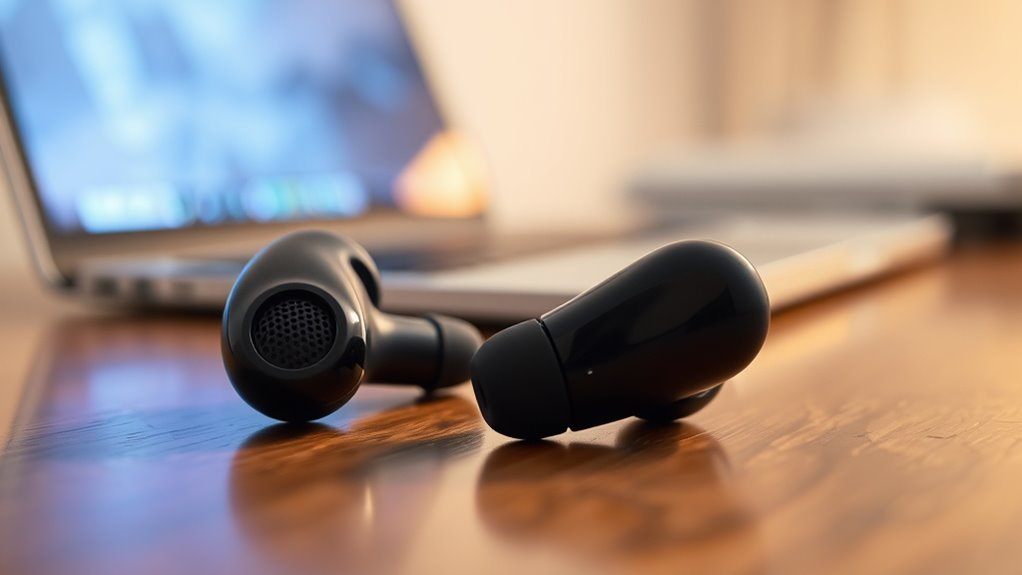

Yes, Bluetooth earbuds emit low levels of non-ionizing radiation, which is far less than that from cell phones or microwaves. While they operate at about 2.4 GHz, the radiation is well within safety guidelines set by regulatory bodies. Research indicates minimal health risks related to their use, especially since they typically operate at low power levels. For a deeper understanding of the implications and safe usage tips, more information is available on this topic.
Understanding Bluetooth Technology and Radiation
Although many people enjoy the convenience of Bluetooth technology, concerns about radiation exposure often arise. Bluetooth functionality allows devices to communicate wirelessly over short distances, using radio frequency waves. These waves are classified as non-ionizing radiation, which means they don’t carry enough energy to ionize atoms or molecules. Compared to other radiation sources, like X-rays or UV light, Bluetooth devices emit considerably lower levels of radiation. Research indicates that the exposure from Bluetooth earbuds falls well below safety guidelines established by regulatory bodies. However, if you’re concerned about any potential risks, limiting your use or opting for wired alternatives may provide peace of mind. Understanding these aspects can empower you to make informed decisions regarding your technology use.
Types of Radiation Emitted by Bluetooth Devices
When considering the types of radiation emitted by Bluetooth devices, it’s important to recognize that they primarily generate low levels of non-ionizing radiation. This means the radiation types associated with Bluetooth technology are generally considered safe for everyday use. Typically, Bluetooth frequencies operate in the 2.4 GHz range, which is the same spectrum used by many household devices.
Bluetooth devices emit low levels of non-ionizing radiation, making them safe for everyday use in the 2.4 GHz frequency range.
Here are some key aspects:
- Non-ionizing radiation: Lacks the energy to remove tightly bound electrons.
- Low exposure levels: Emitted during normal operation.
- Short-range communication: Reduces potential exposure.
- Regulatory standards: Govern acceptable radiation limits.
- Research findings: Support low-risk profiles for users.
Comparing Bluetooth Radiation to Other Common Devices
How does Bluetooth radiation stack up against other common devices in your home? When you consider Bluetooth safety, it’s essential to compare its radiation exposure to that of Wi-Fi routers, microwaves, and cell phones. Bluetooth devices typically emit lower levels of radiation, often measured in milliwatts, while cell phones can reach up to hundreds of milliwatts. Wi-Fi signals also emit higher radiation levels than Bluetooth, as they operate on similar frequencies but at greater power. Microwaves emit even more radiation, especially when in use. Overall, while Bluetooth does emit radiation, its levels are considerably lower than those from many other household devices. For most users, the radiation exposure from Bluetooth earbuds is generally considered safe.
Current Research on Bluetooth Earbuds and Health Risks
When considering the health risks associated with Bluetooth earbuds, it’s important to look at radiation emission levels and how they compare to other devices. Recent health studies have provided insights into potential effects, while expert opinions vary on the significance of these findings. Understanding this landscape can help you make informed choices about your earbud usage.
Radiation Emission Levels
Although concerns about radiation exposure from Bluetooth earbuds have been prevalent, current research indicates that the levels of radiation emitted are considerably lower than those from other common devices, such as cell phones. Using advanced radiation measurement techniques and electromagnetic spectrum analysis, studies show that Bluetooth earbuds typically emit far less radiation. Here are some key points to reflect on:
- Radiation levels from Bluetooth are considerably lower than from cell phones.
- Most Bluetooth devices operate below the safety limits set by regulatory bodies.
- Earbuds transmit at lower power levels during use.
- Long-term exposure studies are limited but indicate minimal risk.
- Modern technology emphasizes safety in wireless communication.
Understanding these findings can help you make informed decisions about your audio preferences.
Health Studies Overview
While many people enjoy the convenience of Bluetooth earbuds, it’s essential to evaluate the ongoing research surrounding their potential health risks. Various studies have emerged, examining user experiences and the impact of radiation exposure. Some findings suggest minimal health risks, while others raise concerns over prolonged usage. Here’s a snapshot of current research:
| Study Type | Findings |
|---|---|
| Epidemiological | No significant health risks identified. |
| Laboratory | Some adverse effects noted in animal models. |
| User Surveys | Mixed experiences; some report discomfort. |
Expert Opinions Summary
Recent findings in the ongoing conversation about Bluetooth earbuds have prompted expert opinions that offer a range of insights on health risks associated with their use. While some researchers express radiation concerns, many experts emphasize that current evidence suggests minimal risk. Here are some key expert insights:
- Bluetooth devices emit low levels of non-ionizing radiation.
- Long-term studies are still needed to fully understand potential health impacts.
- Most experts advocate for moderation in use, especially among vulnerable populations.
- The World Health Organization hasn’t classified Bluetooth radiation as a major health risk.
- Awareness and informed choices are essential for users looking to mitigate any potential risks.
Ultimately, staying informed and considering expert opinions can empower you to make smart decisions regarding your earbud use.
Recommendations for Safe Use of Bluetooth Earbuds
When using Bluetooth earbuds, it’s important to limit how long you wear them to reduce potential exposure to radiation. Maintaining a distance from your body can also help minimize any risks associated with prolonged use. Additionally, opting for low-radiation models may further enhance your safety while enjoying wireless audio.
Limit Usage Duration
Limiting the duration of Bluetooth earbud usage is a prudent approach for those concerned about potential health risks associated with prolonged exposure to electromagnetic radiation. To align with usage guidelines and establish duration limits, consider the following recommendations:
- Use earbuds for short intervals, ideally not exceeding one hour at a time.
- Take breaks of at least 10-15 minutes between sessions to reduce exposure.
- Alternate between earbuds and wired headphones for variety.
- Monitor your overall daily usage, aiming for a maximum of a few hours.
- Stay informed about new research on Bluetooth technology and health implications.
Maintain Distance From Body
Maintaining a distance from your body while using Bluetooth earbuds can markedly reduce potential exposure to electromagnetic radiation. Distance awareness is vital for minimizing risks associated with body proximity to these devices. By keeping earbuds at a greater distance, you can enhance your safety while enjoying the convenience of wireless audio.
| Distance | Effect on Radiation Exposure | Recommended Practices |
|---|---|---|
| Less than 1 foot | Higher exposure | Use speakerphone when possible |
| 1-3 feet | Moderate exposure | Store devices in a bag |
| More than 3 feet | Lower exposure | Use wired alternatives occasionally |
| Over 6 feet | Minimal exposure | Keep earbuds in a case when not in use |
Choose Low-Radiation Options
Choosing low-radiation options for Bluetooth earbuds is an effective strategy to minimize exposure to electromagnetic fields. By opting for products designed with safety in mind, you can enjoy your audio without overexposing yourself to potential risks. Consider these tips:
- Look for low radiation brands that prioritize safety.
- Choose earbuds made from eco-friendly materials to reduce environmental impact.
- Review product specifications for SAR (Specific Absorption Rate) values—lower is better.
- Opt for models with good distance from the body, which can further decrease radiation exposure.
- Read user reviews focusing on safety and comfort for informed decisions.
Future Trends in Wireless Technology and Safety Standards
As wireless technology continues to evolve, the conversation around safety standards and potential health impacts is becoming increasingly relevant. You’re likely aware that wireless advancements, such as improved Bluetooth protocols, enhance connectivity but also raise questions about exposure to electromagnetic radiation. Regulatory bodies are beginning to reassess existing safety regulations to guarantee they align with new technologies. This could mean stricter limits on radiation levels or more thorough testing methods. As you navigate these developments, it’s essential to stay informed about both the benefits of wireless tech and the implications for your health. Future safety standards may prioritize transparency, enabling you to make decisions that align with your values regarding personal freedom and health safety.
Frequently Asked Questions
Can Bluetooth Earbuds Interfere With Other Electronic Devices?
Yes, Bluetooth earbuds can cause signal interference with other electronic devices, especially if there’s a compatibility issue. It’s crucial to verify your devices are compatible to minimize potential disruptions in performance and connectivity.
Are There Safer Alternatives to Bluetooth Earbuds?
Wired headphones offer a tangible connection, reducing concerns about radiation exposure. While Bluetooth earbuds provide freedom of movement, opting for wired alternatives can enhance sound quality and eliminate worries about potential interference with other devices.
How Far Should I Keep Bluetooth Earbuds From My Body?
To minimize radiation exposure, keep Bluetooth earbuds at least 6 inches away from your body when not in use. Following distance recommendations helps guarantee you’re reducing potential risks while enjoying the freedom of wireless convenience.
Do Bluetooth Earbuds Affect Sleep Quality?
Bluetooth earbuds can potentially affect sleep quality due to sleep disturbances, though evidence is limited. Concerns about radiation exposure may also contribute to anxiety, impacting your ability to relax and achieve restorative sleep.
Can I Use Bluetooth Earbuds While Exercising Safely?
You can use Bluetooth earbuds while exercising safely, enhancing your workout music experience. Just make certain they’re secure and you maintain awareness of your surroundings, balancing enjoyment and exercise safety for the ultimate freedom in your routine.
