
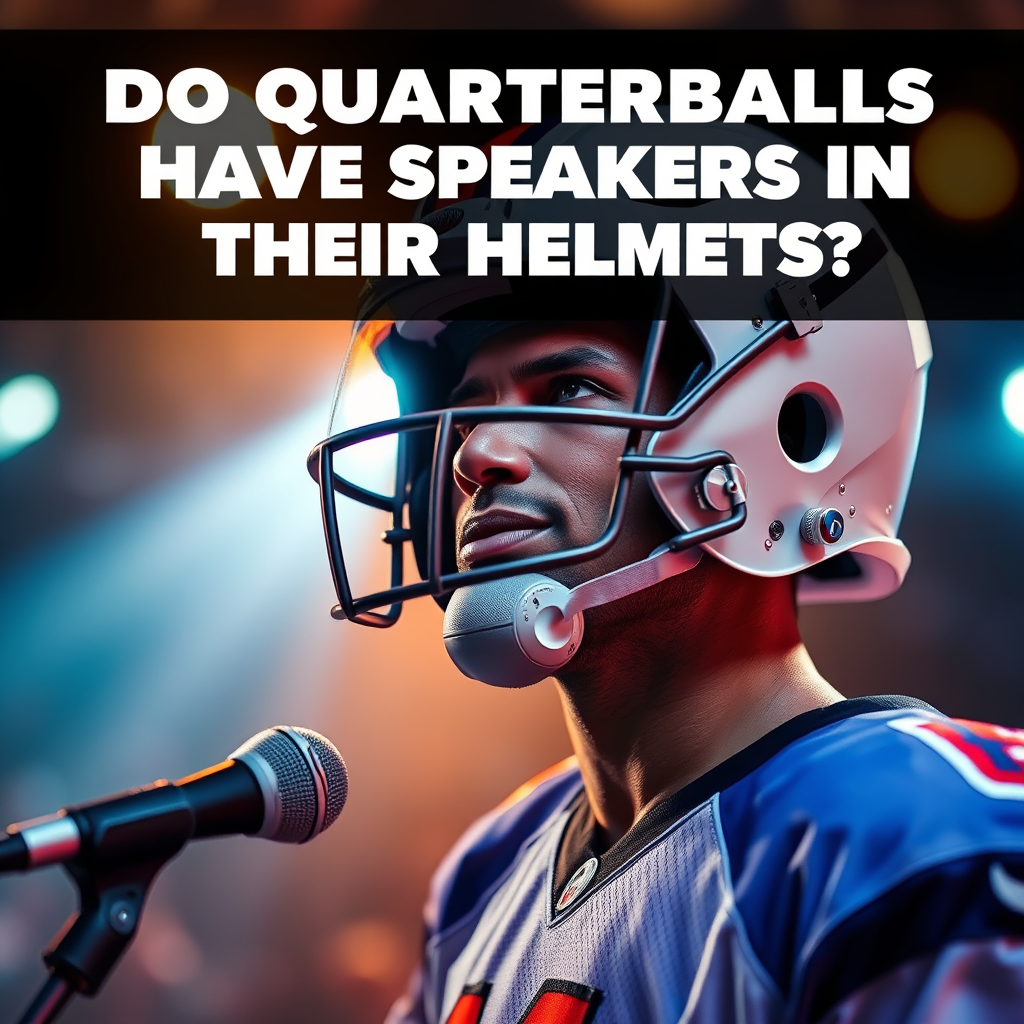

Quarterbacks do indeed have speakers in their helmets, which allow them to receive play calls directly from the coaching staff on the sidelines. This communication system is essential for coordinating plays and making quick decisions during the game. By leveraging this technology, teams can enhance their strategic execution while minimizing the potential for miscommunication. In this article, we’ll explore how this technology works, its history, and its impact on the game of football.
The Technology Behind Helmet Speakers
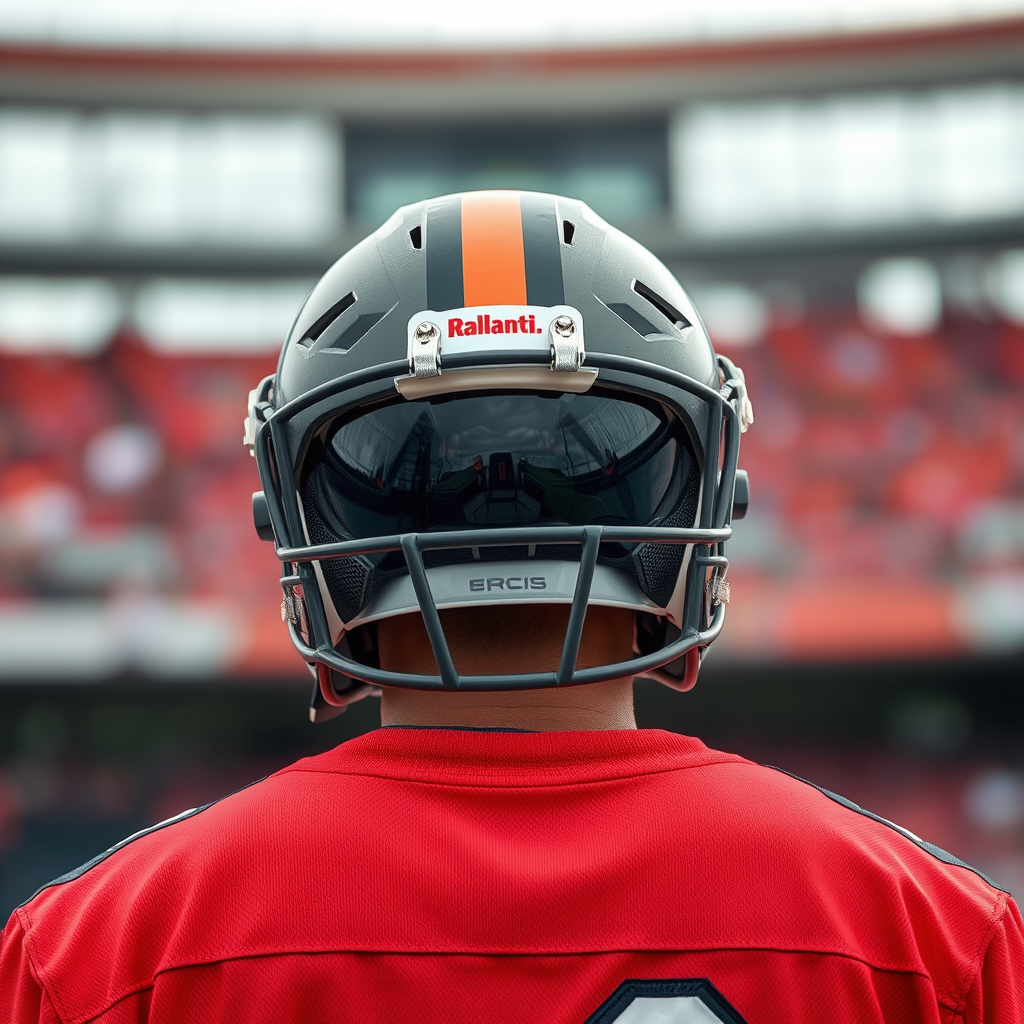
Helmet speakers utilize wireless communication technology to transmit audio directly to the quarterback during a game. The system comprises a receiver embedded within the helmet, which picks up signals sent from the coaching staff stationed on the sidelines. These signals are typically transmitted over a secure radio frequency, ensuring that only the intended receiver—the quarterback—can hear the play calls.
To ensure clarity and reliability, the audio quality is designed to function effectively even in the noisy environment of a football stadium. The technology has evolved significantly over the years, transitioning from simple audio systems to more advanced setups that include noise-cancellation features and enhanced signal strength. This sophistication allows quarterbacks to focus on the game without the distraction of external sounds, enabling them to execute plays with precision and confidence.
The Role of the Coach
Coaches play a crucial role in utilizing helmet communication systems effectively. From the sidelines, they can relay real-time play calls and strategic adjustments, making it possible for quarterbacks to adapt to evolving game situations. This immediate communication is vital for teams looking to exploit weaknesses in the opposing defense or address unexpected changes, such as injuries or tactical adjustments during the game.
Moreover, this system enhances the strategic planning phase of the game. Coaches can send in complex plays or modifications to existing ones based on what they observe from the sidelines, allowing for a dynamic gameplay experience. The ability to communicate directly with the quarterback can significantly impact the outcome of a game, as it can lead to timely decisions that capitalize on fleeting opportunities.
NFL Regulations on Communication
The NFL has specific regulations governing the use of communication devices to maintain fair play. According to league rules, only one player on the field may have a functional speaker at any given time, and this player is typically the quarterback. This limitation ensures that teams do not gain an unfair advantage through excessive communication.
Additionally, the NFL stipulates when and how communication can occur during a game. For example, communication is only permitted until the play clock reaches 15 seconds, after which the quarterback must rely on his knowledge and instincts to execute the play without further input. These regulations are designed to maintain the integrity of the game while allowing for the benefits that modern technology can provide.
Comparison of Communication Systems in NFL Quarterbacks (2023)
| # | Quarterback | Team | Signal Strength | Clarity Rating |
|---|---|---|---|---|
| 1 | Patrick Mahomes | Kansas City Chiefs | Strong | ★ ★ ★ ★ ★ |
| 2 | Tom Brady | Tampa Bay Buccaneers | Moderate | ★ ★ ★ ★ |
| 3 | Aaron Rodgers | Green Bay Packers | Strong | ★ ★ ★ ★ ★ |
| 4 | Josh Allen | Buffalo Bills | Moderate | ★ ★ ★ ★ |
| 5 | Dak Prescott | Dallas Cowboys | Strong | ★ ★ ★ ★ ★ |
| 6 | Lamar Jackson | Baltimore Ravens | Moderate | ★ ★ ★ ★ |
| 7 | Justin Herbert | Los Angeles Chargers | Strong | ★ ★ ★ ★ ★ |
Benefits of Helmet Communication
The integration of helmet communication systems has brought numerous benefits to the game of football. One of the most significant advantages is the speed at which play calls can be conveyed. By eliminating the need for hand signals or verbal communication that can be misheard or misinterpreted, coaches can quickly relay their intentions to the quarterback. This efficiency can be particularly crucial in high-pressure situations where every second counts.
Additionally, having direct communication allows quarterbacks to make informed decisions on the fly. They can receive insights about the opposing defense, including player positions and potential weaknesses, directly from their coaches. This real-time feedback can lead to improved execution of plays and a higher likelihood of success on the field. In essence, helmet communication enhances overall team performance by fostering a more cohesive and coordinated approach to gameplay.
Challenges and Limitations
Despite the advantages, there are challenges and limitations associated with helmet communication systems. One of the primary concerns is the potential for signal interference or equipment malfunctions. Factors such as electronic interference from other devices in the stadium or poor weather conditions can disrupt communication, leaving quarterbacks without crucial play calls at critical moments.
Moreover, communication can be particularly challenging in loud stadium environments. The roar of the crowd can make it difficult for quarterbacks to hear their coaches clearly, leading to potential miscommunication or delayed responses. These limitations highlight the need for continuous technological advancements to improve the reliability and clarity of helmet communication systems.
Future of Communication in Football
As technology continues to evolve, so too does the landscape of communication in football. Emerging innovations, such as augmented reality (AR) and advanced wireless systems, hold promise for enhancing or even replacing current communication methods. For instance, AR could provide quarterbacks with real-time data overlays directly in their line of sight, offering strategic insights without the need for verbal communication.
Additionally, discussions are ongoing among league officials about further improvements to player communication devices. These advancements may include better noise-cancellation technology and more robust signal transmission methods that can withstand the challenges posed by loud stadiums and environmental factors. As these technologies develop, we can anticipate a new era of football communication that enhances gameplay and improves the overall spectator experience.
The use of speakers in quarterbacks’ helmets is a vital aspect of modern football, enhancing the game’s complexity and strategy. As technology continues to evolve, we can expect even more advancements in how players communicate on the field. For more insights into football innovations, stay tuned and explore our other articles!
Frequently Asked Questions
Do quarterbacks have speakers in their helmets during games?
Yes, quarterbacks do have speakers in their helmets during games. This technology allows them to receive play calls directly from the coach on the sideline, enhancing communication and strategy execution. The speaker system is part of the NFL’s efforts to streamline gameplay and improve coordination on the field.
How does the communication system in a quarterback’s helmet work?
The communication system in a quarterback’s helmet uses a wireless transmitter and receiver. When the coach sends a play call, it is transmitted to the quarterback’s helmet, where they can hear it through a speaker. This system ensures that quarterbacks can quickly receive crucial information, especially in high-pressure situations, allowing for more effective decision-making.
Why do only quarterbacks have speakers in their helmets?
Only quarterbacks have speakers in their helmets primarily due to the strategic nature of their position. As the leaders on the field, they need quick access to play calls and adjustments from the coach. Allowing only quarterbacks to have this technology helps maintain a clear line of communication and reduces confusion among other players.
Which NFL rules govern the use of speakers in quarterback helmets?
The NFL has specific rules governing the use of communication devices in helmets, including the requirement that only one player on each team can have a helmet with a speaker. This rule helps maintain fairness and ensures that the communication remains streamlined. Additionally, the communication system is disabled when the play clock hits 15 seconds, promoting quick decision-making and reducing the potential for delays.
What are the benefits of having speakers in quarterbacks’ helmets?
The benefits of having speakers in quarterbacks’ helmets include improved communication, faster play calling, and enhanced strategic execution. This technology allows quarterbacks to receive real-time instructions from coaches, helping them adapt to changing game situations quickly. As a result, teams can operate more efficiently, which can lead to better performance and increased chances of winning games.
References
- https://en.wikipedia.org/wiki/Communication_in_football
https://en.wikipedia.org/wiki/Communication_in_football - Google Scholar Google Scholar
https://scholar.google.com/scholar?q=quarterbacks+speakers+helmets - https://www.ncbi.nlm.nih.gov/pmc/articles/PMC6204654/
https://www.ncbi.nlm.nih.gov/pmc/articles/PMC6204654/ - https://www.ncbi.nlm.nih.gov/pmc/articles/PMC6950420/
https://www.ncbi.nlm.nih.gov/pmc/articles/PMC6950420/ - Google Scholar Google Scholar
https://scholar.google.com/scholar?q=football+helmets+communication+systems - https://www.cdc.gov/headsup/basics/helmet.html
https://www.cdc.gov/headsup/basics/helmet.html - https://www.sciencedirect.com/science/article/pii/S221198121500018X
https://www.sciencedirect.com/science/article/pii/S221198121500018X - https://www.theguardian.com/sport/2015/nov/24/nfl-quarterbacks-helmets-speakers-communication
https://www.theguardian.com/sport/2015/nov/24/nfl-quarterbacks-helmets-speakers-communication - https://www.bbc.com/sport/american-football/53631260
https://www.bbc.com/sport/american-football/53631260 - Google Scholar Google Scholar
https://scholar.google.com/scholar?q=do+quarterbacks+have+speakers+in+their+helmets
