


The answer to how many House Speakers have been voted out of office is just one in U.S. history. Only one Speaker, Newt Gingrich, has faced a successful vote of no confidence and subsequently resigned. This notable event, which occurred in 1998, not only altered the trajectory of Gingrich’s career but also highlighted the intricate dynamics of power, party loyalty, and public sentiment in American politics. In this article, we will explore the context and implications of this historic event, as well as the roles and challenges faced by House Speakers throughout American political history.
The Role of the House Speaker
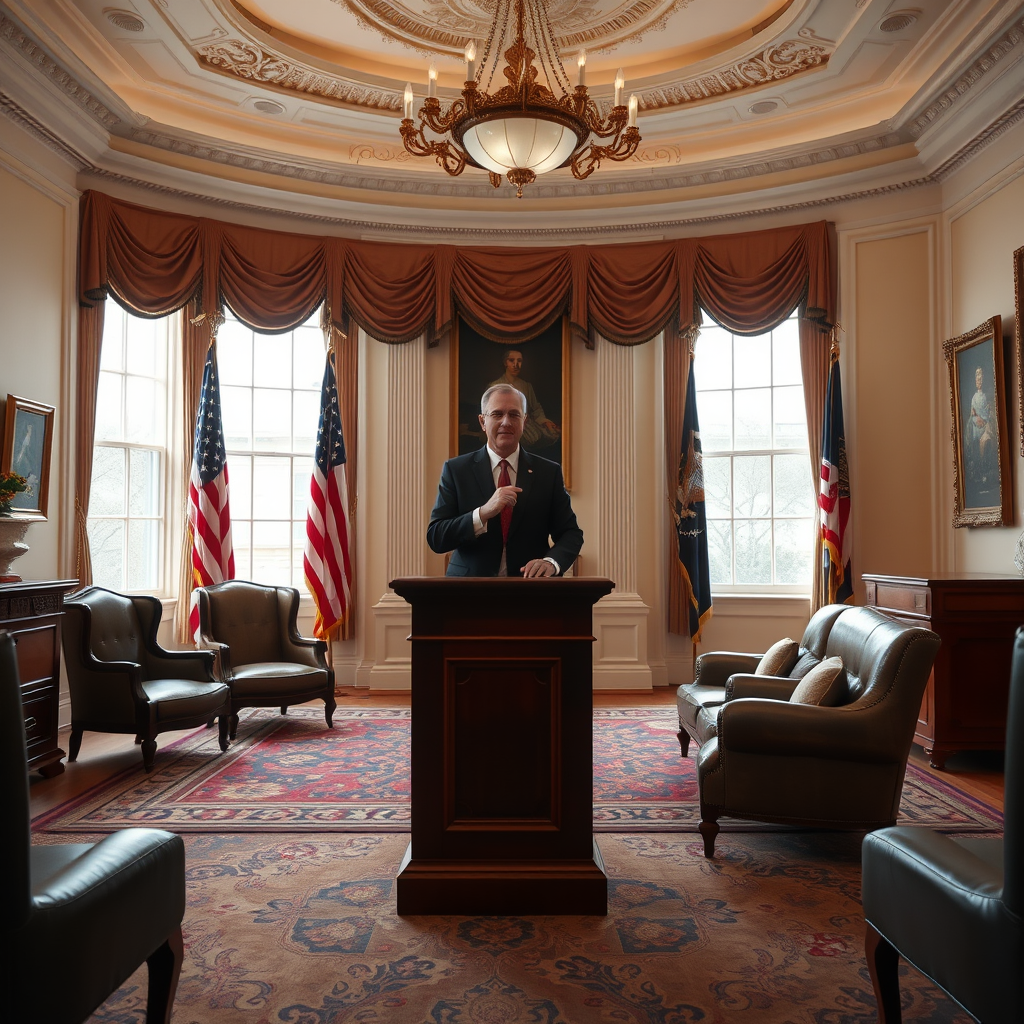
The Speaker of the House serves as the presiding officer of the House of Representatives, wielding significant power over legislative matters. This role is not merely ceremonial; it involves critical responsibilities including setting the legislative agenda, managing debates, and overseeing the House’s administrative functions. The Speaker plays a crucial role in shaping policy outcomes, as they decide which bills are brought to the floor for a vote and often influence the legislative priorities of their party. Additionally, the Speaker represents the House in all external matters, including communications with the President and Senate, thus serving as a vital link within the broader government framework.
The authority of the Speaker extends beyond procedural duties. They must also navigate the complex landscape of party politics, balancing the interests of various factions within their party while maintaining a unified front against opposition parties. In an era of heightened polarization, this task has become increasingly challenging, as Speakers must manage both internal dissent and external pressures from constituents and interest groups.
Historical Context of House Speakers
The position of Speaker of the House was established in 1789 as part of the United States Constitution. Initially, the role was defined with broad discretion, allowing early Speakers to shape the House’s operations significantly. Over the years, the responsibilities of the Speaker have evolved, reflecting changes in government structure, political dynamics, and public expectations.
In the 19th century, the Speaker was often a powerful figure, exerting substantial influence over legislative outcomes. However, the emergence of organized political parties transformed the landscape, leading to a Speaker’s role that often required navigating the interests of party leadership and committee chairs. The 20th century brought further changes, as Speakers like Sam Rayburn and Tip O’Neill became known for their ability to build consensus and work across party lines. The modern Speaker must now contend with a more diverse and fractious House, where partisan divisions have deepened, making the role both more influential and more precarious.
Newt Gingrich’s Tenure and Resignation
Newt Gingrich ascended to the Speakership in 1995, riding a wave of Republican momentum following the “Contract with America.” His tenure was marked by an aggressive legislative agenda and a confrontational style that often put him at odds with Democrats and even some members of his own party. Gingrich’s leadership style, which included significant reforms and budget battles, initially garnered support but also created deep divisions.
However, the political landscape shifted dramatically in the 1998 midterm elections, where the Republicans lost five seats in the House, a stark contrast to the gains they had anticipated. This electoral setback, combined with rising tensions within the party and a series of personal controversies, culminated in a vote of no confidence initiated by Republican members. Facing overwhelming pressure, Gingrich announced his resignation, becoming the first Speaker in U.S. history to be voted out of office. His departure marked a significant turning point, illustrating the volatile nature of political power and the consequences of failing to maintain party unity.
House Speakers and Their Tenure
| # | Speaker | Years in Office | Major Achievements | Resignation |
|---|---|---|---|---|
| 1 | Newt Gingrich | 1995-1998 | Contract with America | Voted Out |
| 2 | Tip O’Neill | 1977-1987 | Tax Reform, Social Security | Retired |
| 3 | Paul Ryan | 2015-2018 | Tax Cuts, Healthcare Reform | Retired |
| 4 | Nancy Pelosi | 2007-2011, 2019-2023 | Affordable Care Act | Retired |
| 5 | John Boehner | 2011-2015 | Budget Control Act | Retired |
| 6 | Joe Cannon | 1903-1911 | Progressive Reforms | Retired |
| 7 | Frederick Gillett | 1925-1927 | Prohibition Enforcement | Retired |
Instances of Speaker Challenges
House Speakers often face a myriad of challenges that can threaten their tenure. These challenges can arise from both internal party conflicts and external political pressures. For example, Speakers need to maintain cohesion among party members, which can be particularly difficult in times of ideological division or when members have conflicting interests. The rise of the Tea Party movement in the early 2010s posed significant challenges for then-Speaker John Boehner, who struggled to appease both moderate and far-right factions within the Republican Party.
Public opinion also plays a critical role in shaping the effectiveness of a Speaker. If the electorate disapproves of a Speaker’s performance or the legislative agenda they promote, this can lead to increased scrutiny and pressure for change. While many Speakers have faced significant challenges, most have managed to navigate these waters without resigning or being voted out. For instance, Nancy Pelosi contended with numerous obstacles during her tenure but demonstrated resilience and adaptability, ultimately securing her position through strategic maneuvering and party solidarity.
The Impact of a No-Confidence Vote
A no-confidence vote is a formal mechanism through which members of the House can express their lack of confidence in the Speaker’s leadership. This type of vote can have serious implications, not only for the individual Speaker but also for the overall dynamics of the House. A successful no-confidence vote can lead to a leadership vacuum, increased partisanship, and a loss of credibility for the party in control.
The implications of such a vote extend beyond the immediate consequences for the Speaker. It can signal to the public and other political actors that the party is divided or ineffective, potentially impacting future electoral prospects. Moreover, it may prompt a reevaluation of party strategies and priorities, as members seek to present a more unified front in response to internal dissent. As seen with Gingrich’s resignation, a no-confidence vote can catalyze significant changes in leadership and alter the political landscape for years to come.
Current Trends and Future Implications
The current political landscape presents a unique set of challenges for the Speakership. With increasing polarization and the rise of social media, Speakers are now more exposed to public scrutiny than ever before. The 2022 elections underscored the fragility of leadership positions, as numerous incumbents faced significant backlash from their constituencies, leading to questions about their viability in future elections.
Looking ahead, it is plausible that future Speakers may encounter similar challenges as those faced by Gingrich. The potential for internal party conflict, public disillusionment, and the rapid pace of political change could create a perfect storm for leadership instability. As political dynamics continue to evolve, the role of the Speaker will likely remain critical in navigating the complexities of governance and maintaining party cohesion.
The historical precedent of a House Speaker being voted out remains a unique event, highlighting the complexities of leadership in U.S. politics. While only Newt Gingrich has been voted out, the pressures and expectations on House Speakers continue to evolve. Understanding this history can provide valuable insights into the future of political leadership in the House of Representatives. The challenges faced by Speakers, the implications of their decisions, and the ever-shifting political landscape will continue to shape the role, ensuring it remains a pivotal position within American governance.
Frequently Asked Questions
How many House Speakers have been voted out in U.S. history?
Throughout U.S. history, there have been only two House Speakers who have been formally voted out of their position: John Boehner in 2015 and Newt Gingrich in 1998. This makes it a rare occurrence, highlighting the significant political power and influence that the Speaker holds within the House of Representatives.
What are the reasons House Speakers get voted out?
House Speakers can be voted out for various reasons, including internal party conflicts, loss of support from party members, or failing to deliver on key legislative goals. Additionally, public dissatisfaction and political pressure from constituents can lead to a Speaker’s ousting, as seen in the cases of Boehner and Gingrich.
Why was John Boehner voted out as Speaker of the House?
John Boehner was voted out primarily due to growing frustration among conservative members of his party who felt he was not adhering to their agenda or effectively addressing key issues. His approach to budget negotiations and a perceived lack of leadership in confronting Democrats contributed to his departure.
Which Speaker of the House was the first to be voted out, and what led to that decision?
The first Speaker of the House to be voted out was Newt Gingrich in 1998. His removal was largely due to a combination of declining approval ratings, internal party strife, and backlash from the public following the impeachment of President Bill Clinton, which many viewed as a distraction from pressing legislative matters.
What impact does voting out a House Speaker have on Congress?
Voting out a House Speaker can lead to significant shifts in congressional dynamics, affecting party unity and legislative priorities. It often results in a power vacuum that can alter the balance of influence within the House, potentially leading to new leadership styles and strategies that may reshape future legislation and party relations.
References
- Speaker of the United States House of Representatives
https://en.wikipedia.org/wiki/Speaker_of_the_United_States_House_of_Representatives - https://www.bbc.com/news/world-us-canada-67049555
https://www.bbc.com/news/world-us-canada-67049555 - https://www.nytimes.com/2023/10/03/us/politics/house-speaker-vote.html
https://www.nytimes.com/2023/10/03/us/politics/house-speaker-vote.html - https://www.theguardian.com/us-news/2023/oct/03/kevin-mccarthy-house-speaker-vote-removed
https://www.theguardian.com/us-news/2023/oct/03/kevin-mccarthy-house-speaker-vote-removed - Google Scholar Google Scholar
https://scholar.google.com/scholar?q=house+speakers+voted+out - Google Scholar Google Scholar
https://scholar.google.com/scholar?q=history+of+US+House+speakers - https://www.reuters.com/politics/house-speaker-mccarthy-ousted-by-republican-rebels-2023-10-03/
https://www.reuters.com/politics/house-speaker-mccarthy-ousted-by-republican-rebels-2023-10-03/ - https://www.britannica.com/topic/Speaker-of-the-House-of-Representatives
https://www.britannica.com/topic/Speaker-of-the-House-of-Representatives - https://www.sciencedirect.com/topics/social-sciences/us-house-of-representatives
https://www.sciencedirect.com/topics/social-sciences/us-house-of-representatives - Google Scholar Google Scholar
https://scholar.google.com/scholar?q=how+many+house+speakers+have+been+voted+out
