


The United States is home to approximately 41 million Spanish speakers, making it the second-largest Spanish-speaking country in the world, following Mexico. This significant demographic not only contributes to the cultural richness of the nation but also plays a pivotal role in various sectors, including business, education, and social dynamics. As we explore the demographics, growth trends, and cultural significance of the Spanish-speaking population in the U.S., we can better appreciate the profound impact this community has on American life.
Overview of Spanish Speakers in the U.S.
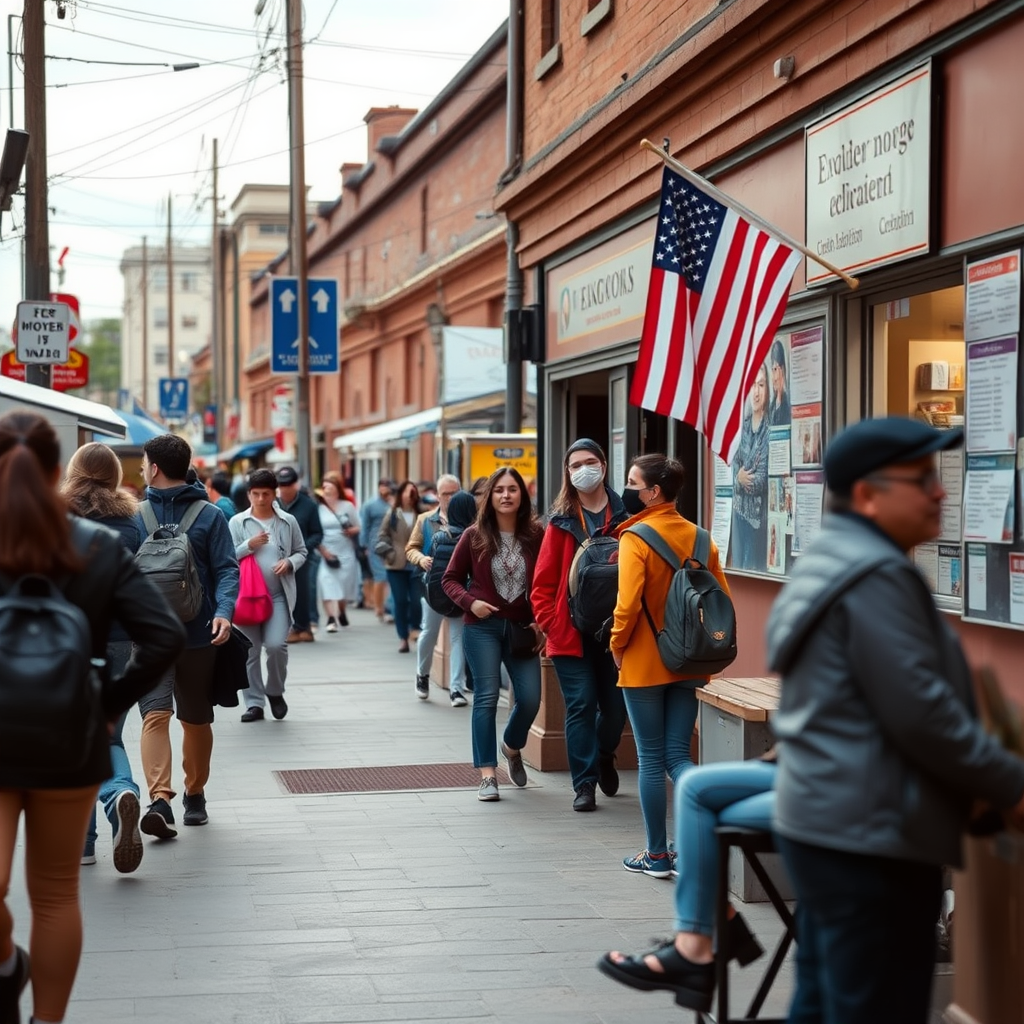
Current statistics reveal that nearly 13% of the U.S. population speaks Spanish at home. This figure translates to around 41 million individuals, highlighting the prominence of the Spanish language in the country. The majority of Spanish speakers reside in states such as California, Texas, and Florida, where vibrant Hispanic communities have flourished over the years. California leads the nation with approximately 10.6 million Spanish speakers, while Texas follows closely with around 9.5 million, and Florida rounds out the top three with about 4.7 million. These states exemplify the diverse cultural fabric woven by Spanish speakers, reflecting a blend of traditions and influences from various Latin American countries.
Growth Trends in Spanish Speaking Population
Spanish speakers in the U.S. have increased by more than 100% since 1980. This remarkable growth can be attributed to several key factors, including sustained immigration from Spanish-speaking countries and the establishment of bilingual education programs in schools. As more families choose to maintain their linguistic heritage, children are increasingly raised in bilingual environments, enhancing their proficiency in both English and Spanish.
In addition, the increasing visibility of Hispanic culture in mainstream media has fostered a greater appreciation for the Spanish language, prompting more individuals to learn and use it. Institutions and businesses are also recognizing the importance of catering to Spanish-speaking populations, further driving the demand for bilingual services and products.
Demographic Breakdown
The age distribution among Spanish speakers reveals that younger generations are showing a higher rate of bilingualism. According to recent surveys, approximately 53% of Spanish speakers are under the age of 34, indicating a youthful demographic eager to engage with both languages. This trend is particularly evident in urban areas, where cultural exchanges are more frequent.
When examining the ethnic backgrounds of the Spanish-speaking community, Mexican Americans constitute the largest group, followed by Puerto Ricans, Cubans, and those from Central American countries such as Guatemala and El Salvador. This diversity brings a rich tapestry of cultural practices, culinary traditions, and artistic expressions that contribute to the broader American culture.
Spanish-Speaking Population in the U.S. by Ethnic Origin (2023)
| # | Ethnic Origin | Population (millions) | Percentage of Total |
|---|---|---|---|
| 1 | Mexican | 31.8 | 77.6% |
| 2 | Puerto Rican | 5.2 | 12.7% |
| 3 | Cuban | 2.2 | 5.4% |
| 4 | Salvadoran | 1.6 | 3.9% |
| 5 | Guatemalan | 1.5 | 3.7% |
| 6 | Honduran | 0.9 | 2.2% |
| 7 | Other Latin American | 2.5 | 6.1% |
Impact on Culture and Society
The influence of the Spanish language and culture on American media is profound and multifaceted. Spanish-language television networks such as Univision and Telemundo have gained substantial viewership, showcasing telenovelas, news, and sports programming that resonate with Spanish-speaking audiences. Additionally, the music industry has witnessed a surge in popularity for genres such as reggaeton and Latin pop, with artists like Bad Bunny and J Balvin achieving international acclaim.
Cultural festivals celebrating Hispanic heritage, such as Día de los Muertos and Hispanic Heritage Month, have become prominent events in many cities, drawing diverse crowds and fostering cross-cultural understanding. Furthermore, Spanish-speaking communities play a vital role in local economies, contributing to entrepreneurship and job creation, particularly in sectors such as hospitality, agriculture, and retail.
Education and Language Learning
The increasing demand for Spanish language education in schools and institutions reflects the growing recognition of bilingualism’s benefits. Many educational systems are implementing dual-language programs, allowing students to learn both English and Spanish from an early age. These programs not only promote linguistic skills but also enhance cognitive development and cultural awareness among students.
In professional settings, bilingualism is increasingly viewed as an asset. Employees who can communicate effectively in both English and Spanish are often more competitive in the job market, especially in industries such as healthcare, customer service, and education. As a result, the importance of Spanish language learning continues to rise, shaping a future workforce that is better equipped to navigate a diverse and interconnected world.
Future Projections
Forecasts for the Spanish-speaking population over the next few decades indicate continued growth, with estimates suggesting that the number of Spanish speakers in the U.S. could reach 50 million by 2060. Factors influencing these trends include ongoing immigration, the natural increase of the Hispanic population, and the continued emphasis on bilingual education.
However, potential changes in immigration policies and economic shifts may impact these projections. The current political climate surrounding immigration reform could either facilitate or hinder the influx of Spanish speakers, while economic factors such as job availability and industry growth will also play a significant role in shaping the future of this demographic.
In summary, the Spanish-speaking population in the U.S. is significant and continues to grow, impacting various aspects of American life. Understanding this demographic is crucial for appreciating the cultural richness it brings. For more insights on language trends and cultural impacts, stay connected with our blog.
Frequently Asked Questions
How many Spanish speakers are there in the U.S. as of 2023?
As of 2023, there are approximately 42 million Spanish speakers in the United States, making it the second most spoken language in the country. This number reflects the growing Hispanic population and highlights the importance of Spanish in various sectors, including education, business, and healthcare.
Why is the number of Spanish speakers in the U.S. increasing?
The increase in Spanish speakers in the U.S. can be attributed to several factors, including immigration from Spanish-speaking countries and the natural growth of the Hispanic population. Additionally, many families are choosing to maintain their Spanish language heritage, leading to a rise in bilingualism among younger generations.
What are the states with the highest number of Spanish speakers?
The states with the highest number of Spanish speakers include California, Texas, and Florida. California alone is home to nearly 10 million Spanish speakers, making it a key area for Spanish language services and cultural integration.
How does the presence of Spanish speakers affect U.S. businesses?
The presence of Spanish speakers significantly impacts U.S. businesses by creating a need for bilingual customer service and marketing strategies. Companies that cater to Spanish-speaking consumers can tap into a large and growing market, enhancing customer relationships and expanding their reach.
Which industries benefit the most from Spanish-speaking populations in the U.S.?
Industries such as healthcare, education, and hospitality benefit greatly from the Spanish-speaking population in the U.S. These sectors often require bilingual professionals to effectively communicate with Spanish-speaking clients and students, ensuring access to services and creating a more inclusive environment.
References
- https://www.census.gov/newsroom/press-releases/2021/american-community-survey.html
https://www.census.gov/newsroom/press-releases/2021/american-community-survey.html - https://www.migrationpolicy.org/article/latino-immigrants-united-states
https://www.migrationpolicy.org/article/latino-immigrants-united-states - https://www.linguisticdata.com/2021/09/08/how-many-spanish-speakers-in-the-us/
https://www.linguisticdata.com/2021/09/08/how-many-spanish-speakers-in-the-us/ - https://www.cdc.gov/nchhstp/newsroom/docs/factsheets/Spanish-Speaking-Community.pdf
https://www.cdc.gov/nchhstp/newsroom/docs/factsheets/Spanish-Speaking-Community.pdf - Spanish language | History, Speakers, & Dialects | Britannica
https://www.britannica.com/topic/Spanish-language - Google Scholar Google Scholar
https://scholar.google.com/scholar?q=Spanish+speakers+in+the+US - Google Scholar Google Scholar
https://scholar.google.com/scholar?q=demographics+of+Spanish+speakers+in+America - Google Scholar Google Scholar
https://scholar.google.com/scholar?q=Spanish+language+population+in+the+US - Google Scholar Google Scholar
https://scholar.google.com/scholar?q=how+many+spanish+speakers+are+in+the+us - how many spanish speakers are in the us – Search results
https://en.wikipedia.org/wiki/Special:Search?search=how+many+spanish+speakers+are+in+the+us
