


Spanish is spoken by approximately 580 million people globally, making it one of the most widely spoken languages in the world. This immense number reflects not only the native speakers but also the growing population of Spanish learners. The significance of Spanish extends beyond mere numbers; it plays a crucial role in cultural exchange, international business, and global diplomacy. This article will delve into the distribution of Spanish speakers, the growth of the language, and its importance in various regions.
Global Distribution of Spanish Speakers
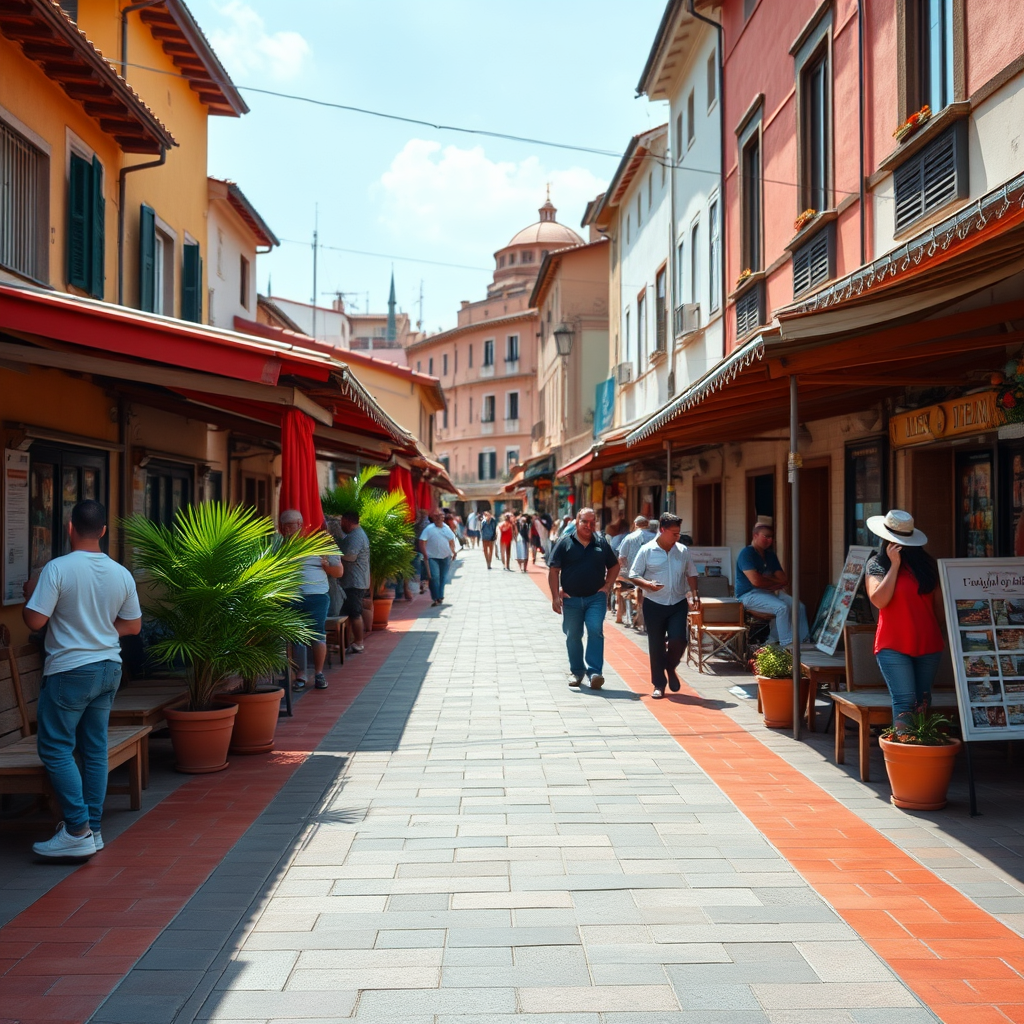
The largest population of Spanish speakers is in Mexico, where over 125 million people communicate in the language. Mexico’s rich cultural heritage, combined with its historical ties to Spain, has solidified its status as the heart of Spanish-speaking communities. Following Mexico, the United States hosts the second-largest Spanish-speaking population, estimated at around 41 million speakers. This growth is largely attributed to significant Hispanic immigration and the increasing prevalence of Spanish language education in schools.
In addition to these two countries, other Latin American nations contribute substantially to the global Spanish-speaking population. Countries like Colombia, Argentina, and Peru each have tens of millions of Spanish speakers, reflecting the language’s deep-rooted presence in the Americas. Spain, being the birthplace of the Spanish language, also maintains a large population of native speakers, approximately 43 million, making it a key player in the global landscape of Spanish speakers.
Spanish Speakers by Region
Latin America is home to a significant concentration of Spanish speakers, with virtually every country on the continent utilizing the language as an official or primary means of communication. Notable Spanish-speaking countries include:
– Colombia: Approximately 51 million speakers
– Argentina: About 45 million speakers
– Peru: Roughly 29 million speakers
Each of these countries has its unique dialects and cultural nuances, contributing to the richness of the Spanish language.
In Europe, Spain stands out as the principal Spanish-speaking nation. However, Spanish is also spoken in parts of Africa, specifically in Equatorial Guinea, where it is one of the official languages, and it is taught in various schools across the continent.
Spanish’s reach even extends to the Philippines, where Spanish influences can still be observed, though the number of native speakers has drastically declined since the American colonization.
Growth Trends in Spanish Language Use
The number of Spanish speakers is projected to continue growing, especially in the United States and certain parts of Africa. According to estimates, by 2050, the U.S. will have the largest Spanish-speaking population in the world, surpassing even Mexico. This anticipated growth can be attributed to increased immigration from Latin America and a rise in the number of Spanish language education programs in schools and universities.
Moreover, in Africa, several countries are beginning to recognize Spanish as a strategic language for business and diplomacy, leading to an increase in Spanish language courses. The global push for bilingualism and multilingualism further supports the growth of Spanish, as more individuals seek to learn the language for personal and professional reasons.
Top 7 Spanish-Speaking Countries by Population (2023)
| # | Country | Speakers (millions) | Percentage of Population | Growth Rate (2020-2023) |
|---|---|---|---|---|
| 1 | Mexico | 125 | 99% | +2.5% |
| 2 | United States | 41 | 13% | +3.1% |
| 3 | Colombia | 51 | 99% | +1.8% |
| 4 | Argentina | 45 | 99% | +2.0% |
| 5 | Peru | 29 | 99% | +1.5% |
| 6 | Spain | 43 | 91% | +1.2% |
| 7 | Venezuela | 32 | 99% | +1.7% |
Spanish as a Global Language
Spanish is not only a native language for millions but also the second most studied language in the world, following English. The widespread popularity of Spanish courses in academic institutions globally reflects its growing appeal. The language’s influence in international business is evident, as many companies are now prioritizing bilingual employees who can communicate effectively with Spanish-speaking clients and partners.
In cultural sectors such as music, film, and literature, Spanish has a burgeoning presence. Latin music and Spanish films have gained international acclaim, contributing to the language’s global reach. The rise of digital content in Spanish, including podcasts and YouTube channels, has further solidified its status as a vital language in the global cultural landscape.
Additionally, Spanish plays a significant role in diplomacy, with numerous international organizations recognizing it as an official language. This status enhances its importance in global discussions and negotiations.
Challenges Facing Spanish Speakers
Despite its growth, Spanish speakers face several challenges, particularly in regions where multiple languages coexist. Language preservation is a pressing concern for bilingual communities, where younger generations might gravitate towards dominant languages, risking the erosion of their linguistic heritage.
Variations in dialects and regional differences can also complicate communication among Spanish speakers. For instance, the Spanish spoken in Mexico can differ significantly from that spoken in Argentina or Spain, leading to misunderstandings. These dialectical variations are often influenced by historical, cultural, and social factors that have shaped the language over time.
Furthermore, misinformation surrounding the Spanish language can perpetuate stereotypes and hinder effective communication among speakers of different dialects. Addressing these challenges will require concerted efforts from educators, policymakers, and community leaders to promote linguistic diversity and understanding.
Resources for Spanish Language Learning
For those interested in learning Spanish, a wealth of resources is available. Numerous online platforms and apps cater to various proficiency levels, making it easier than ever to start learning the language. Popular options include:
– Duolingo: Engaging lessons and gamified learning experiences.
– Babbel: Focuses on real-life conversational skills.
– Rosetta Stone: Immersive learning through context and visual aids.
Community classes and immersion programs offer additional opportunities for learners to practice their skills in real-world settings. Many local community centers, libraries, and universities host language classes, often incorporating cultural elements to enhance the learning experience.
Additionally, participating in language exchange programs or conversing with native speakers can significantly boost confidence and fluency. Engaging in Spanish-speaking cultural events, such as dance classes or cooking workshops, can also enrich the learning journey.
The Future of Spanish Speakers
As globalization continues, Spanish is likely to gain even more prominence. The cultural significance of the Spanish language in arts and media plays a pivotal role in its future. The increasing number of Spanish speakers, alongside the language’s influence in global business and diplomacy, suggests that Spanish will remain a key player on the world stage.
Moreover, technological advancements will continue to facilitate language learning and communication, fostering a greater appreciation for Spanish across diverse demographics. The rise of virtual connections and online communities will allow Spanish speakers to interact, share, and collaborate in ways that transcend geographical barriers.
In conclusion, Spanish is a language that continues to thrive and expand across the globe. With millions of speakers and increasing influence in various sectors, the future of Spanish looks bright. If you’re interested in learning more about the Spanish language or connecting with Spanish-speaking communities, consider exploring language classes or cultural events in your area. As the world becomes more interconnected, the ability to communicate in Spanish will undoubtedly open doors to new opportunities and enrich personal experiences.
Frequently Asked Questions
How many Spanish speakers are there in the world today?
As of 2023, there are approximately 580 million Spanish speakers worldwide, making it the second most spoken language by native speakers. This number includes both native and non-native speakers, reflecting the language’s global reach and popularity.
Why is Spanish considered one of the fastest-growing languages?
Spanish is one of the fastest-growing languages due to various factors, including population growth in Spanish-speaking countries and the increasing interest in learning Spanish as a second language. Furthermore, the rise of Spanish media and culture, particularly in the United States, contributes significantly to its expansion.
Which countries have the largest Spanish-speaking populations?
The countries with the largest Spanish-speaking populations include Mexico, the United States, Colombia, and Argentina. Mexico alone accounts for over 125 million native speakers, while the United States has a rapidly growing Spanish-speaking community, estimated at around 41 million.
What are the benefits of learning Spanish considering its global speaker base?
Learning Spanish opens up numerous opportunities, including enhanced career prospects, travel experiences, and cultural understanding. With Spanish being the second most spoken language in the world, fluency can facilitate communication in diverse settings and expand personal and professional networks.
How does the number of Spanish speakers compare to other languages?
Spanish ranks as the second most spoken language globally, following Mandarin Chinese. While Mandarin boasts around 1.1 billion speakers, Spanish’s significant speaker base of approximately 580 million highlights its importance in international communication, trade, and culture.
References
- Spanish language
https://en.wikipedia.org/wiki/Spanish_language - Spotlighting The World Factbook as We Bid a Fond Farewell – CIA
https://www.cia.gov/the-world-factbook/countries/spain/ - Spanish language | History, Speakers, & Dialects | Britannica
https://www.britannica.com/topic/Spanish-language - https://www.ethnologue.com/language/spa
https://www.ethnologue.com/language/spa - Google Scholar Google Scholar
https://scholar.google.com/scholar?q=spanish+speakers+worldwide - Google Scholar Google Scholar
https://scholar.google.com/scholar?q=how+many+spanish+speakers+are+there+in+the+world - Spanish Language Day | United Nations
https://www.un.org/en/observances/spanish-language-day - https://www.ncbi.nlm.nih.gov/pmc/articles/PMC7098044/
https://www.ncbi.nlm.nih.gov/pmc/articles/PMC7098044/ - how many spanish speakers are there in the world – Search results
https://en.wikipedia.org/wiki/Special:Search?search=how+many+spanish+speakers+are+there+in+the+world - https://www.ncbi.nlm.nih.gov/search/research-articles/?term=how+many+spanish+speakers+are+there+in+the+world
https://www.ncbi.nlm.nih.gov/search/research-articles/?term=how+many+spanish+speakers+are+there+in+the+world
