


Spanish is the second most spoken language in the world, with approximately 580 million speakers globally. This vast number includes both native and non-native speakers, reflecting the language’s widespread reach and cultural significance. In this article, we will explore the distribution of Spanish speakers across the globe, key demographics, and the growth trends of the language, ultimately providing a comprehensive understanding of the Spanish-speaking population and its importance in today’s world.
Global Distribution of Spanish Speakers
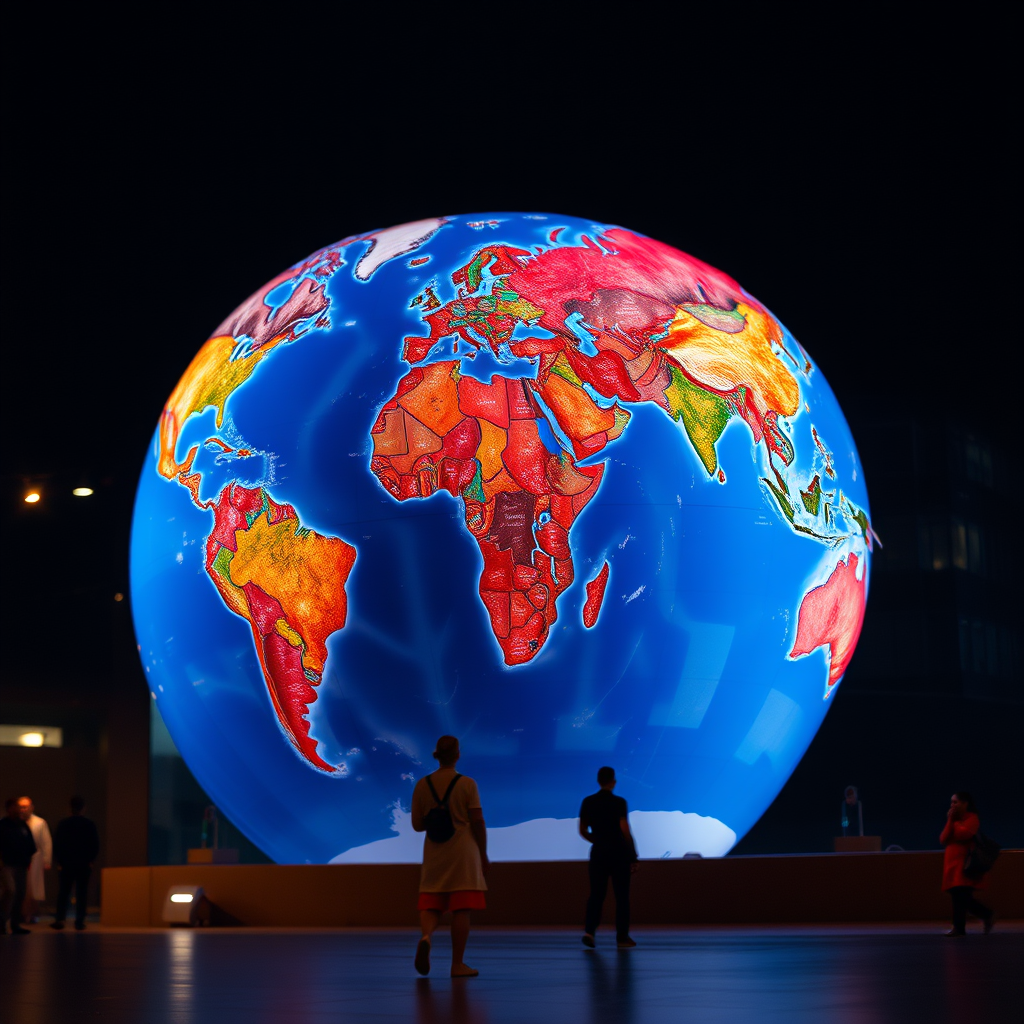
Spanish is the official language in 21 countries, primarily located in Latin America and Europe. The countries with the largest Spanish-speaking populations include Mexico, Colombia, and Argentina. Each of these nations contributes significantly to the overall number of Spanish speakers, thanks to their sizable populations and the cultural emphasis on the language.
Additionally, the United States has emerged as one of the largest Spanish-speaking countries, where over 41 million people speak Spanish at home, making it the second most spoken language in the nation after English. This trend is largely driven by significant Hispanic and Latino communities across various states, particularly in California, Texas, and Florida, where Spanish language and culture are deeply integrated into everyday life.
Demographics of Spanish Speakers
Over 460 million people speak Spanish as their first language, making it the second most spoken native language after Mandarin Chinese. This demographic includes a diverse array of cultures, traditions, and dialects, reflecting the language’s rich history and evolution. Notably, Spanish is the most widely spoken language in the Western Hemisphere, and it also ranks among the top languages in Europe.
The demographics of Spanish speakers are continually evolving. In addition to the native speakers, estimates suggest there are around 80 million non-native speakers learning Spanish worldwide. This growth reflects the increasing interest in Spanish as a global language of commerce, travel, and cultural exchange. Moreover, Spanish is often viewed as a beneficial skill for professional advancement, particularly in regions with significant Spanish-speaking populations.
Growth Trends of the Spanish Language
The Spanish language is experiencing significant growth, particularly among non-native speakers, especially in the United States and parts of Asia. In the U.S., Spanish is increasingly taught in schools and universities, with many educational institutions incorporating Spanish language courses into their curricula. This trend is mirrored in other countries, where Spanish is a popular choice for language learners.
A notable factor contributing to this growth is the rise of Spanish-language media and entertainment. From television shows to music and literature, Spanish has a strong presence in global pop culture, further encouraging people to learn the language.
Top 7 Spanish-Speaking Countries by Population (2023)
| # | Country | Population (millions) | Percentage of Spanish Speakers | Growth Rate (%) |
|---|---|---|---|---|
| 1 | Mexico | 126 | 98% | +1.2% |
| 2 | Colombia | 51 | 99% | +0.9% |
| 3 | Argentina | 45 | 99% | +1.0% |
| 4 | Spain | 47 | 82% | +0.5% |
| 5 | Venezuela | 28 | 95% | +0.3% |
| 6 | Chile | 19 | 90% | +0.7% |
| 7 | Peru | 33 | 80% | +0.8% |
The Role of Spanish in Global Communication
Spanish has a significant role in global communication, being one of the six official languages of the United Nations. This status underscores its importance in international relations, diplomacy, and global governance. Spanish is also one of the working languages of various international organizations, including the European Union and the Organization of American States, enhancing its relevance on the world stage.
Moreover, many international businesses are adopting Spanish as a primary or secondary language for communication. The growth of the Spanish-speaking market has prompted companies to consider Spanish proficiency an asset when hiring. This trend is particularly prominent in industries such as tourism, hospitality, education, and customer service, where the ability to communicate effectively with Spanish-speaking clients can significantly impact business success.
Cultural Impact of the Spanish Language
The cultural impact of the Spanish language is profound, as Spanish-speaking countries boast rich cultural heritages that influence global art, music, and literature. Renowned authors such as Gabriel García Márquez, Isabel Allende, and Pablo Neruda have left an indelible mark on world literature, showcasing the depth and diversity of the Spanish language.
Furthermore, the rise of Spanish-language media and entertainment—such as films, television shows, and music genres like reggaeton and flamenco—has expanded the language’s reach and influence around the globe. Streaming platforms like Netflix and Spotify have significantly increased the accessibility of Spanish-language content, allowing audiences worldwide to engage with Spanish culture in new ways.
Future Projections for Spanish Speakers
Looking forward, predictions indicate that the number of Spanish speakers will continue to grow, with estimates suggesting that there could be around 754 million speakers by 2060. This growth is driven by factors such as population growth in Latin America, increasing interest in learning Spanish in non-Spanish-speaking countries, and the strengthening of Spanish-speaking communities in the United States.
The increasing importance of Spanish in global commerce and diplomacy suggests a bright future for the language. As more businesses and organizations recognize the value of Spanish proficiency, the demand for Spanish language education and resources will likely continue to rise, further solidifying its position as a key global language.
In summary, the Spanish language continues to grow and thrive both in native and non-native contexts. As its influence expands, consider deepening your knowledge of Spanish, whether through classes, media, or cultural experiences. Embrace the opportunity to connect with a vibrant global community.
Frequently Asked Questions
How many Spanish speakers are there in the world?
As of 2023, there are approximately 580 million Spanish speakers worldwide, making it the second most spoken language by native speakers. This number includes those who speak Spanish as a first language, as well as those who have learned it as a second language, highlighting its global influence and reach.
Which countries have the highest number of Spanish speakers?
The countries with the highest number of Spanish speakers include Mexico, the United States, Colombia, Argentina, and Spain. Mexico leads with over 125 million native speakers, while the U.S. has a rapidly growing population of Spanish speakers, reflecting the language’s importance in North America.
Why is Spanish considered one of the most important languages to learn?
Spanish is considered one of the most important languages to learn due to its widespread use across the globe, making it essential for travel, business, and cultural exchange. Additionally, with over 580 million speakers, proficiency in Spanish can enhance career opportunities and foster better communication in diverse environments.
What is the growth trend of Spanish speakers in the United States?
The growth trend of Spanish speakers in the United States is significant, with the population increasing to over 41 million speakers, making it the second-largest Spanish-speaking country in the world. This growth is driven by immigration and a rising number of bilingual individuals, reflecting the language’s expanding presence in American society.
How can I improve my Spanish-speaking skills effectively?
To improve your Spanish-speaking skills effectively, immerse yourself in the language through conversation practice, online courses, and language exchange programs. Engaging with native speakers, consuming Spanish media, and consistently practicing vocabulary and grammar can accelerate your learning and boost your confidence in speaking Spanish.
References
- Spanish language
https://en.wikipedia.org/wiki/Spanish_language - Spotlighting The World Factbook as We Bid a Fond Farewell – CIA
https://www.cia.gov/the-world-factbook/countries/spain/ - https://www.census.gov/library/stories/2020/08/how-many-people-speak-spanish-in-the-us.html
https://www.census.gov/library/stories/2020/08/how-many-people-speak-spanish-in-the-us.html - Spanish language | History, Speakers, & Dialects | Britannica
https://www.britannica.com/topic/Spanish-language - https://www.statista.com/statistics/982946/number-of-spanish-speakers-worldwide/
https://www.statista.com/statistics/982946/number-of-spanish-speakers-worldwide/ - Google Scholar Google Scholar
https://scholar.google.com/scholar?q=how+many+spanish+speakers - Google Scholar Google Scholar
https://scholar.google.com/scholar?q=global+spanish+speaking+population - Google Scholar Google Scholar
https://scholar.google.com/scholar?q=Spanish+language+statistics - how many spanish speakers – Search results
https://en.wikipedia.org/wiki/Special:Search?search=how+many+spanish+speakers - https://www.ncbi.nlm.nih.gov/search/research-articles/?term=how+many+spanish+speakers
https://www.ncbi.nlm.nih.gov/search/research-articles/?term=how+many+spanish+speakers
