
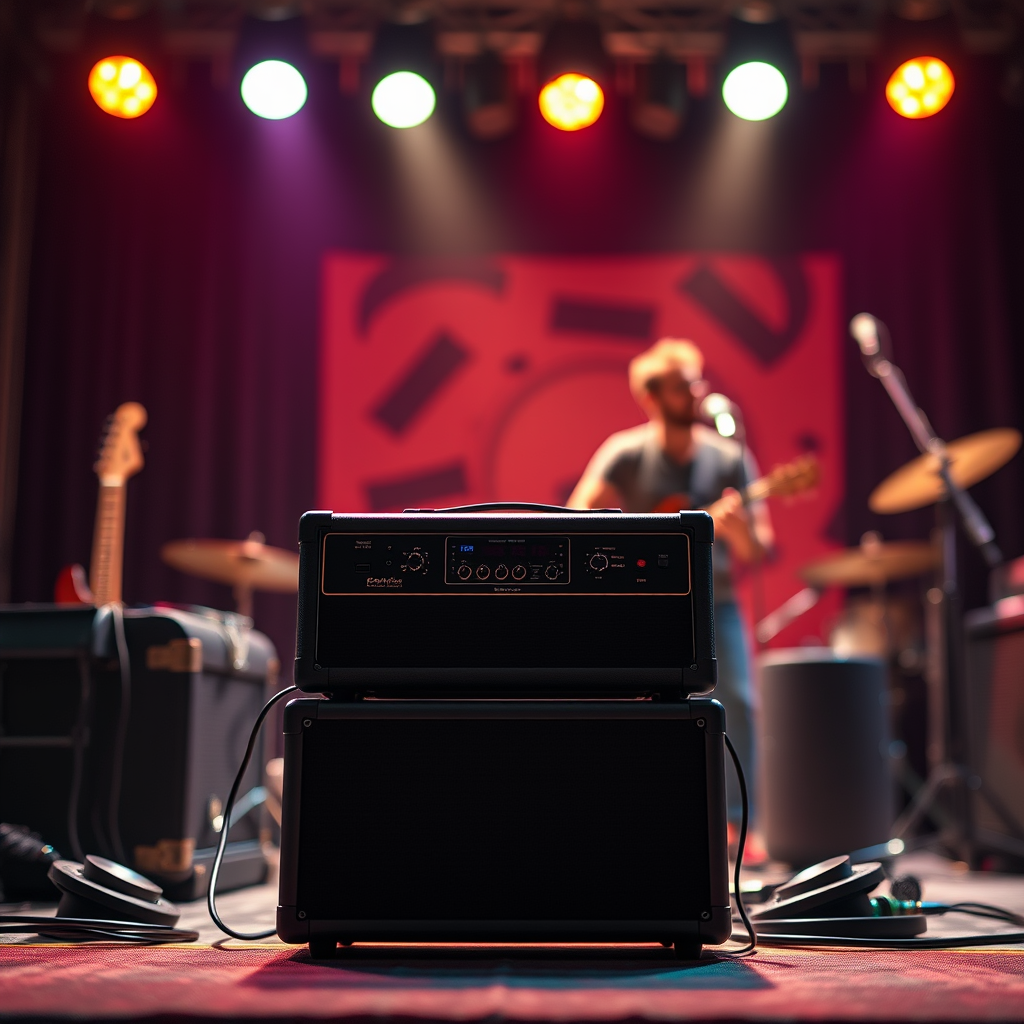

To install an amplifier to speakers, you’ll need to connect the amplifier’s outputs to the speakers while ensuring proper wiring and power supply. This guide will walk you through the necessary steps, tools, and tips for a successful installation that enhances your audio experience. By understanding your equipment and following the outlined steps, you can achieve a seamless setup that elevates your sound quality.
Understanding Your Equipment
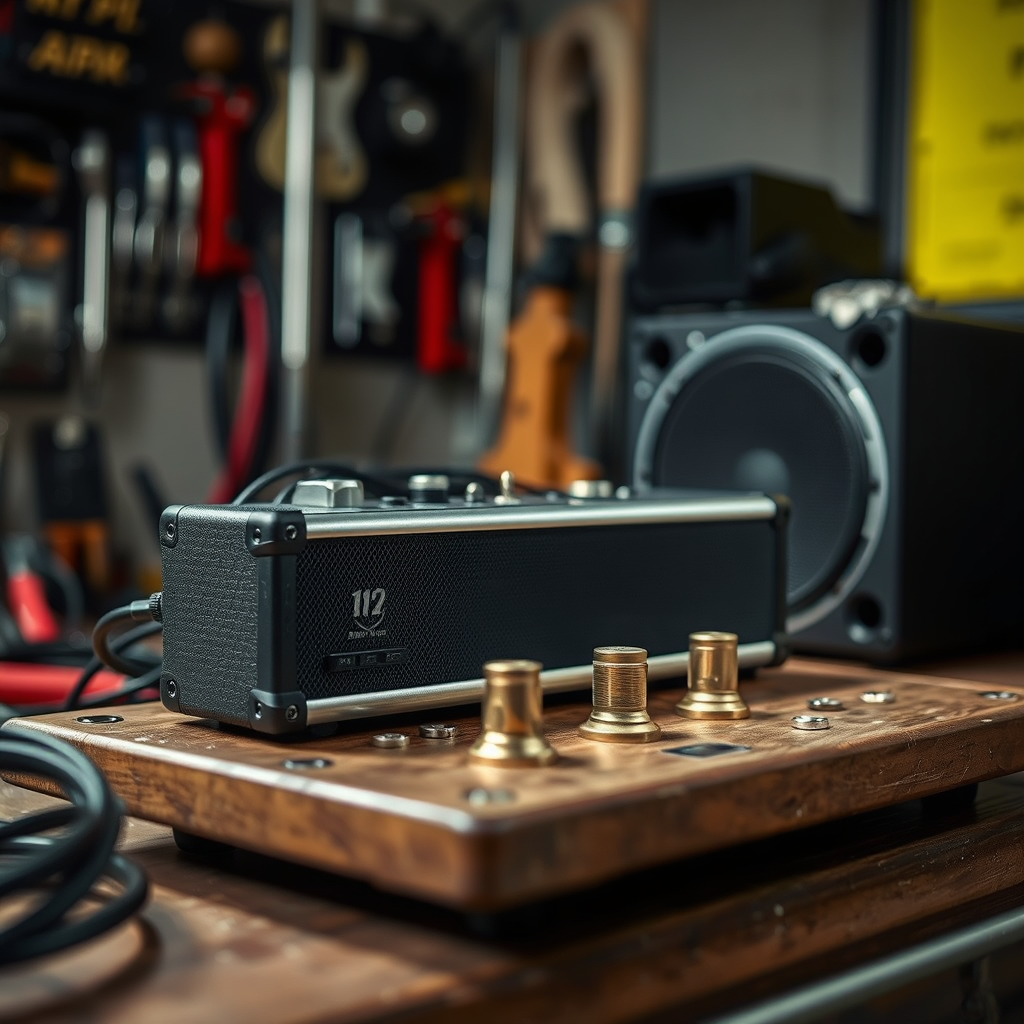
Before diving into the installation process, it is crucial to familiarize yourself with both the amplifier and speaker specifications. The amplifier’s power output, measured in watts, should be compatible with the speakers’ power handling capabilities, typically indicated as RMS (Root Mean Square) power. For instance, if your amplifier outputs 100 watts per channel, ensure that your speakers can handle at least that amount without distortion or damage.
Additionally, consider the impedance ratings of both the amplifier and speakers. Most home audio amplifiers work with 4 to 8 ohms, while car amplifiers might support lower impedances. Mismatched impedance can lead to inefficient performance or even equipment damage.
Gathering Necessary Tools
To successfully install an amplifier to speakers, you will need a set of essential tools and materials. Here’s a checklist of items you should gather before beginning:
– Wire Strippers: To prepare wire ends for connections.
– Screwdrivers: For securing the amplifier and speakers.
– Speaker Wire: Ensure you have sufficient gauge wire for your setup.
– Electrical Tape: For securing connections and preventing shorts.
– Zip Ties: To neatly bundle and organize wires.
– Multimeter: Optional, for checking voltage and continuity.
Having these tools ready will streamline the installation process and ensure that you can execute each step efficiently.
Preparing the Installation Area
Selecting a suitable installation location for your amplifier is vital for optimal performance. Choose a space that allows for good airflow, as amplifiers generate heat during operation. Common locations include under the dashboard for car audio setups or near your audio source in a home setup.
Clear the area of any obstacles to facilitate easy access during installation. This preparation not only enhances convenience but also ensures safety while working with electrical components. If you are installing in a vehicle, ensure that you can access both the battery and the speakers without difficulty.
Top 7 Amplifiers by Power Output and Features (2024)
| # | Amplifier Model | Power Output (Watts) | Impedance (Ohms) | Features |
|---|---|---|---|---|
| 1 | Pioneer GM-D8601 | 1600 | 1-4 | Bass Boost, Compact Design |
| 2 | Rockford Fosgate R500X1D | 500 | 1-4 | Compact Size, Thermal Protection |
| 3 | JL Audio JX400/4D | 400 | 2-8 | 4-Channel, High Pass Filter |
| 4 | Kicker 46CXA4001 | 400 | 2 | Bass Boost, Class D |
| 5 | Alpine KTP-445U | 45 | 4 | Compact, Easy Installation |
| 6 | Infinity Reference 6000C | 600 | 2-8 | High Power, Versatile |
| 7 | Sony XM-GS6DSP | 600 | 2-8 | DSP Control, High Output |
Connecting the Amplifier to the Speakers
Once you have prepared the installation area and gathered the necessary tools, it’s time to connect the amplifier to the speakers. Start by measuring and cutting the speaker wire to appropriate lengths for your specific setup. This ensures that you have enough wire to reach from the amplifier to each speaker without excess slack, which can lead to clutter.
Next, strip the ends of the wires using your wire strippers to expose the copper conductors. Connect the positive wire (often marked with red) to the amplifier’s positive terminal and the negative wire (marked with black) to the negative terminal. Repeat this process for each speaker, ensuring that the connections are secure and that there are no exposed wire strands that could cause shorts.
It’s important to double-check that the wiring follows the same color coding throughout the system to avoid phase issues, which can lead to poor sound quality.
Powering the Amplifier
Identifying the correct power source for your amplifier is a critical step in the installation process. The power supply must be rated for the required voltage, which is typically 12 volts for car amplifiers and varies for home audio systems.
Connect the power wire from the amplifier to the vehicle’s battery or your home’s power outlet. It’s crucial to use a fuse in line with the power wire, located as close to the battery as possible, to protect your amplifier from power surges that could cause damage.
Make sure to also connect the ground wire securely to a clean, unpainted metal surface to establish a solid electrical connection. This will help reduce noise and improve the overall performance of your audio system.
Testing the Setup
After completing the wiring and connections, it’s time to test your setup. Power on the amplifier and gradually increase the volume to gauge the sound output. Listen for clarity and depth in the audio; any distortion or unusual sounds may indicate incorrect wiring or a need for adjustment.
If you notice distortion, it could be due to several factors, including the amplifier being pushed beyond its limits or an impedance mismatch. Make adjustments to the volume levels and check all connections to ensure they are secure and properly configured.
Troubleshooting Common Issues
Even with careful installation, issues may arise. Here are some common problems and troubleshooting tips:
– No Sound: Check all connections, including power and ground, to ensure they are secure. Use a multimeter to verify that the amplifier is receiving power.
– Distortion: This could indicate that the amplifier is overdriven. Ensure that you’re not exceeding the amplifier’s limits and that the speakers are correctly wired.
– Poor Connections: If you’re experiencing intermittent sound or dropouts, inspect your wiring for frays or bad connections. Re-strip the wire ends and reconnect if necessary.
– Impedance Issues: If your speakers and amplifier are not matching in terms of impedance, consider reconfiguring your setup to ensure compatibility.
By following these troubleshooting tips, you can quickly identify and resolve common installation issues, ensuring a smooth listening experience.
Summarizing the steps to install an amplifier to speakers can significantly improve your audio experience. By following this guide, you can ensure a successful installation and troubleshoot any potential problems. Ready to enhance your sound system? Gather your tools and start your installation today!
Frequently Asked Questions
How do I connect an amplifier to my speakers correctly?
To connect an amplifier to your speakers, start by ensuring that the amplifier is powered off. Use speaker wire to connect the positive (+) and negative (-) terminals of the amplifier to the corresponding terminals on the speakers. Make sure to strip the ends of the wire and securely fasten them to avoid any loose connections, which can affect sound quality.
What type of amplifier is best for my speakers?
The best type of amplifier for your speakers depends on their power handling and impedance ratings. For most home audio systems, a stereo amplifier that matches the wattage requirements of your speakers is ideal. Consider a class AB amplifier for quality sound, or a class D amplifier for efficiency, particularly if you’re working with passive speakers.
Why is it important to match the impedance of the amplifier and speakers?
Matching the impedance of the amplifier and speakers is crucial to ensure optimal performance and prevent damage. If the impedance is mismatched, the amplifier may overheat or produce poor sound quality. Typically, most home speakers are rated at 4, 6, or 8 ohms, so it’s essential to choose an amplifier that can handle the same specifications for safe operation.
How can I troubleshoot issues when my amplifier isn’t powering the speakers?
If your amplifier isn’t powering the speakers, first check all connections to ensure they are secure and properly wired. Next, verify that the amplifier is receiving power by checking the power indicator light. If everything seems fine, it could be a blown fuse or a faulty component, and you may need to consult the user manual or seek professional help.
Which tools do I need to install an amplifier to speakers?
To install an amplifier to your speakers, you’ll need basic tools like wire strippers, a screwdriver, and possibly a drill for mounting the amplifier. Additionally, high-quality speaker wire and RCA cables (if connecting to a receiver) are essential for a successful installation. Having a multimeter can also help troubleshoot any electrical issues during the setup process.
References
- Audio power amplifier
https://en.wikipedia.org/wiki/Audio_amplifier - https://www.wwu.edu/resources/tech/faq/faq_installing_amplifier.shtml
https://www.wwu.edu/resources/tech/faq/faq_installing_amplifier.shtml - https://www.sciencedirect.com/topics/engineering/audio-amplifier
https://www.sciencedirect.com/topics/engineering/audio-amplifier - https://www.electronics-tutorials.ws/amplifier/am_3.html
https://www.electronics-tutorials.ws/amplifier/am_3.html - https://www.aaudio.com/how-to-install-an-amplifier-in-your-car/
https://www.aaudio.com/how-to-install-an-amplifier-in-your-car/ - https://www.bbc.co.uk/news/technology-16447014
https://www.bbc.co.uk/news/technology-16447014 - Google Scholar Google Scholar
https://scholar.google.com/scholar?q=how+to+install+amplifier+to+speakers - Google Scholar Google Scholar
https://scholar.google.com/scholar?q=amplifier+installation+guidelines - Google Scholar Google Scholar
https://scholar.google.com/scholar?q=connecting+speakers+to+amplifiers - how to install amplifier to speakers – Search results
https://en.wikipedia.org/wiki/Special:Search?search=how+to+install+amplifier+to+speakers
