


Installing new speakers in your car can dramatically improve your audio experience, and with the right tools and guidance, you can accomplish this task yourself. Whether you’re looking to enhance sound clarity or increase bass response, upgrading your car’s sound system is a rewarding project. This article provides a step-by-step guide to help you choose the right speakers, gather necessary tools, prepare your vehicle, install the new speakers, and troubleshoot any issues that may arise during the process.
Selecting the Right Speakers
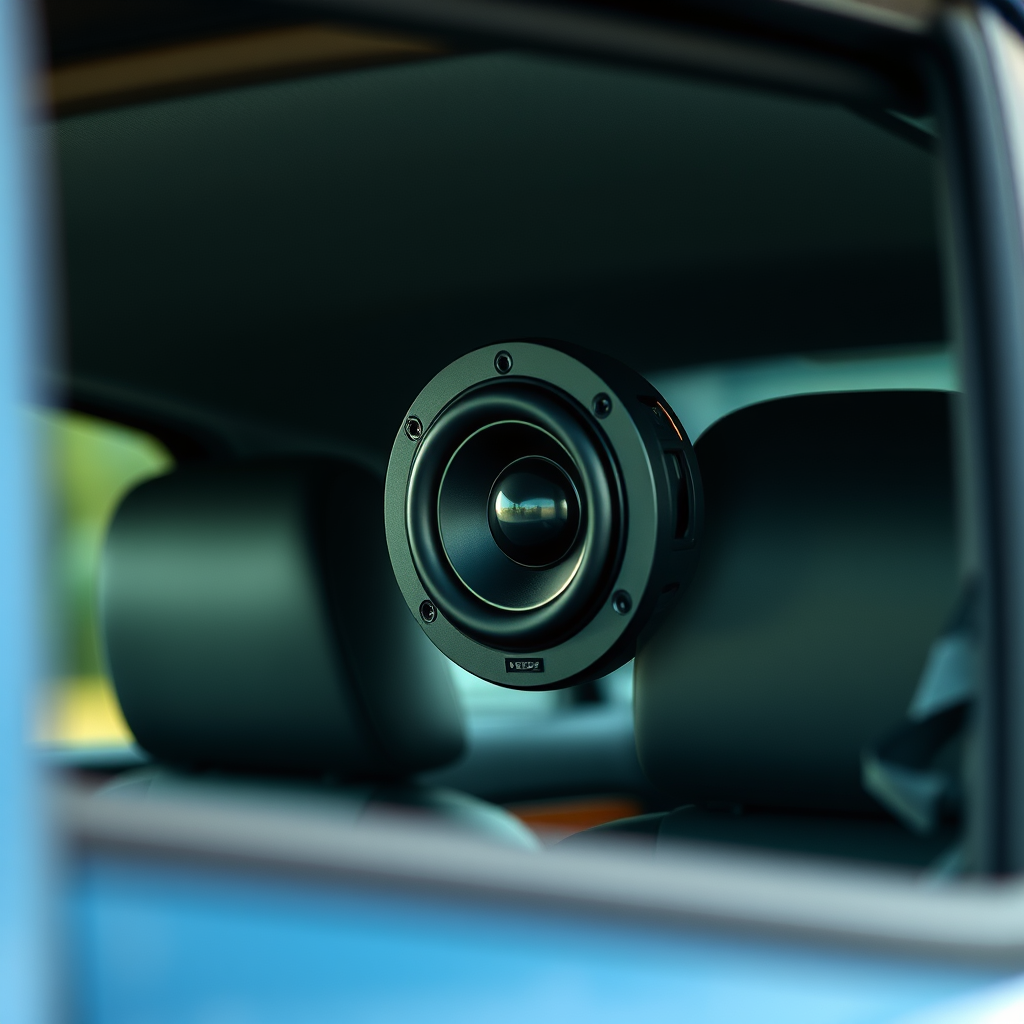
The first step in upgrading your car’s audio system is selecting the right speakers. Start by researching the specifications of your current audio system, which can usually be found in your car’s owner manual. Look for information on the size of the factory speakers, their impedance (measured in ohms), and their power handling capabilities (measured in watts).
When considering sound quality, think about what you value most in your listening experience. If you’re an audiophile, you may prefer high-end components that offer crisp highs and rich lows. On the other hand, if you enjoy loud music with a robust bass response, consider speakers designed for those characteristics. Additionally, pay attention to the size of the speakers, as most cars have specific dimensions that will accommodate only certain sizes. Popular speaker sizes for cars include 6.5 inches, 6×9 inches, and 5.25 inches.
Gathering Necessary Tools
Before you start the installation process, it’s essential to gather the necessary tools. This will not only streamline your work but also reduce the risk of errors during installation. Here’s a list of essential tools you will need:
– Screwdrivers: Both Phillips and flathead screwdrivers are essential for removing panels and securing the speakers.
– Wire Strippers: These are crucial for preparing speaker wires for connection.
– Socket Wrench: A socket wrench will help you remove any bolts that secure the speakers in place.
– Pliers: Useful for gripping and twisting wires.
– Electrical Tape: For securing wire connections.
– Wiring Harness Adapter: This is critical for connecting the new speakers to the existing wiring without cutting into the factory wires.
Having these tools on hand will ensure a smoother installation process, allowing you to focus on achieving high-quality sound.
Preparing Your Car for Installation
Before you begin the installation, safety is paramount. Disconnect the car battery to prevent any electrical shorts while working on the audio system. This simple step can prevent potential damage to your vehicle’s electrical components and ensure your safety.
Next, you will need to remove the door panels or the dashboard, depending on where the speakers are located. Use your screwdrivers and socket wrench to carefully take off any screws or clips holding the panels in place. It’s advisable to keep track of all screws and components as you disassemble, possibly using a small container to avoid losing them.
Once you have access to the speaker area, inspect the current speaker wiring and connections. This will help you understand how the factory speakers are connected and will provide clues on how to connect your new speakers properly.
Top 7 Car Speaker Brands (2024)
| # | Brand | Speaker Type | Power Handling | Price Range |
|---|---|---|---|---|
| 1 | JBL | Coaxial | 100W | $75-$200 |
| 2 | Pioneer | Component | 150W | $100-$250 |
| 3 | Kicker | Coaxial | 200W | $90-$220 |
| 4 | Alpine | Component | 120W | $150-$300 |
| 5 | Sony | Coaxial | 110W | $80-$180 |
| 6 | Focal | Component | 130W | $200-$400 |
| 7 | Rockford Fosgate | Coaxial | 150W | $90-$250 |
Installing the New Speakers
Once you have selected your speakers and prepared your car, it’s time to install the new speakers. Start by connecting the new speakers to the wiring harness. Ensure that you connect the positive and negative wires correctly—usually, the positive wire is marked with a red or a “+” sign, while the negative wire is black or marked with a “-“.
After connecting the wiring, secure the speakers in place using screws. It’s important to use the screws provided with your new speakers, as they are designed to fit perfectly into the mounting holes. Once the speakers are secured, you can begin to reassemble any components or panels that you removed earlier. Take care to ensure that all clips and screws are replaced to maintain the integrity of your car’s interior.
Testing the New Setup
After the installation is complete, it’s time to test your new speakers. Reconnect the car battery and turn on the audio system. Play a variety of music genres to assess how the new speakers perform across different frequencies. Listen for clarity in the highs, richness in the mids, and depth in the lows.
Adjust the equalizer settings on your stereo to fine-tune the sound quality to your liking. Most modern car stereos have built-in settings that allow you to adjust bass, treble, and balance. Take your time to find the optimal settings that enhance your listening experience.
Troubleshooting Common Issues
If you encounter problems such as no sound or distorted audio after installation, start by checking all connections. Ensure that the wiring harness is securely connected and that the speaker wires are properly attached. Sometimes, a loose connection can lead to poor audio quality.
If the issue persists, consult the speaker manual for specific troubleshooting tips. Common solutions may include checking the car’s audio settings, ensuring the head unit is functioning correctly, or verifying that the speakers are compatible with your stereo system.
Maintenance Tips for Longevity
To prolong the life of your new speakers, regular maintenance is essential. Start by cleaning the speaker grilles to prevent dust and debris from accumulating, which can impact sound quality. Additionally, periodically check the connections to ensure they remain secure and free from corrosion.
Be mindful of the environment in which your speakers operate. Avoid exposing your speakers to extreme temperatures, as excessive heat or cold can damage components over time. By taking these simple steps, you can ensure that your car’s audio system continues to deliver excellent sound quality for years to come.
By following these steps, you can successfully install new speakers in your car and enjoy a richer audio experience. This DIY project not only enhances your driving experience but also provides a sense of accomplishment. Don’t hesitate to refer back to this guide as needed, and feel free to share your results with others looking to upgrade their car audio!
Frequently Asked Questions
What tools do I need to install new speakers in my car?
To install new speakers in your car, you’ll typically need a screwdriver set, a wire stripper, electrical tape, and possibly a socket set. Depending on your car model, you may also need a trim removal tool to safely detach panels without damaging them. Having these tools ready will make the installation process smoother and more efficient.
How do I choose the right size speakers for my car?
To choose the right size speakers for your car, first consult your vehicle’s owner manual or look online for the speaker specifications. Measure the existing speaker openings and consider the mounting depth as well. Choosing the right size ensures the best sound quality and fit, preventing any complications during installation.
Why is it important to use an amplifier when installing new speakers?
Using an amplifier when installing new speakers enhances sound quality by providing more power and clarity. It allows the speakers to reach their full potential, especially if you’re upgrading to high-performance models. Without an amplifier, you may experience distortion at higher volumes and reduced overall sound quality.
What are the best brands for car speakers that I should consider?
Some of the best brands for car speakers include JBL, Pioneer, Alpine, and Kenwood. These brands are known for their reliability, sound quality, and durability. When selecting speakers, consider your budget, desired sound characteristics, and customer reviews to find the perfect match for your vehicle.
Which installation method is better: DIY or professional installation for car speakers?
The choice between DIY and professional installation for car speakers depends on your comfort level with automotive work and the complexity of the installation. If you have basic tools and some technical knowledge, DIY can save you money and be quite rewarding. However, for intricate systems or advanced features, professional installation ensures optimal setup and performance.
References
- Vehicle audio
https://en.wikipedia.org/wiki/Car_audio - How to Install Car Speakers (with Pictures) – wikiHow
https://www.wikihow.com/Install-Car-Speakers - Google Scholar Google Scholar
https://scholar.google.com/scholar?q=installing+car+speakers - https://www.edmunds.com/car-audio/how-to-install-car-speakers.html
https://www.edmunds.com/car-audio/how-to-install-car-speakers.html - https://www.crutchfield.com/S-7fXwQwJ5yW/learn/how-to-install-car-speakers.html
https://www.crutchfield.com/S-7fXwQwJ5yW/learn/how-to-install-car-speakers.html - Google Scholar Google Scholar
https://scholar.google.com/scholar?q=car+audio+installation - https://www.carsguide.com.au/car-advice/how-to-install-new-car-speakers-78582
https://www.carsguide.com.au/car-advice/how-to-install-new-car-speakers-78582 - https://www.diycarrepair.com/how-to-install-car-speakers/
https://www.diycarrepair.com/how-to-install-car-speakers/ - Google Scholar Google Scholar
https://scholar.google.com/scholar?q=how+to+install+new+speakers+in+car - how to install new speakers in car – Search results
https://en.wikipedia.org/wiki/Special:Search?search=how+to+install+new+speakers+in+car
