
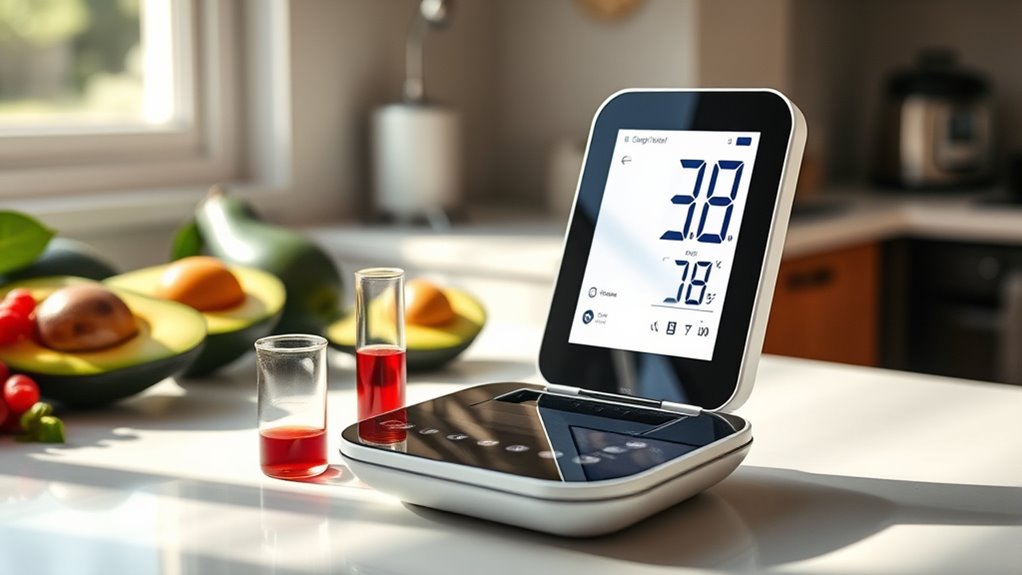

To monitor cholesterol at home, use a reliable home testing kit that measures total cholesterol, LDL, and HDL. First, wash your hands and prepare the testing area. Follow the kit’s instructions, usually involving a finger prick for a blood sample. Record your results accurately and consult a healthcare provider if you have questions. Keep track of your cholesterol levels over time and make necessary lifestyle changes to improve them. Discover more about maintaining ideal cholesterol levels and health.
Understanding Cholesterol and Its Importance
Understanding cholesterol and its role in your body is essential for maintaining your overall health. Cholesterol plays several important functions, including the production of hormones, vitamin D, and bile acids that aid digestion. It’s also critical for building cell membranes, giving them structure and fluidity. However, imbalances in cholesterol levels can lead to significant health implications. High levels of certain types of cholesterol can contribute to plaque buildup in your arteries, increasing the risk of heart disease and stroke. By monitoring your cholesterol, you can take proactive steps to manage your health. With the right knowledge, you can empower yourself to make informed decisions about your diet and lifestyle, helping you maintain ideal cholesterol levels and enjoy greater freedom in your life.
Different Types of Cholesterol
There are two main types of cholesterol that you should be aware of: low-density lipoprotein (LDL) and high-density lipoprotein (HDL). LDL cholesterol is often labeled as “bad” because high levels can lead to plaque buildup in your arteries, increasing heart disease risk. On the flip side, HDL cholesterol is known as “good” cholesterol since it helps remove LDL from your bloodstream, protecting your heart.
You might also hear about very-low-density lipoprotein (VLDL) cholesterol, which carries triglycerides in the blood. Elevated triglyceride levels can also contribute to heart issues. Understanding these different types of cholesterol is crucial for monitoring your health, so keep an eye on your numbers to maintain freedom and liveliness in your life.
Home Testing Kits: An Overview
If you want to keep tabs on your cholesterol levels without frequent trips to the lab, home testing kits can be a convenient solution. These kits allow you to monitor your cholesterol from the comfort of your home, giving you the freedom to take control of your health. Most kits require just a small blood sample, and results can often be displayed within minutes. When considering home testing, it’s essential to evaluate kit reliability, as not all kits offer the same accuracy. Look for those that have been validated by health professionals to guarantee you’re getting trustworthy results. With the right kit, you can make informed decisions about your health without the hassle of traditional testing methods.
How to Choose the Right Home Testing Kit
Choosing the right home testing kit can greatly impact how effectively you monitor your cholesterol levels. When selecting a kit, look for essential kit features like ease of use, speed of results, and thorough testing options. Some kits can measure total cholesterol, LDL, and HDL, giving you a complete picture of your health. Testing accuracy is vital; research reviews and choose kits that are FDA-approved or clinically validated to guarantee reliable results. Consider whether you prefer a finger-prick method or a more advanced option, as comfort can affect your willingness to test consistently. Ultimately, the right kit empowers you to take charge of your cholesterol management, giving you the freedom to live a healthier life.
Step-by-Step Guide to Using a Home Testing Kit
Using a home cholesterol testing kit can be straightforward if you follow the right steps. First, you’ll need to select a reliable testing kit, then prepare properly for the test to guarantee accurate results. Finally, understanding how to interpret those results will help you take charge of your health effectively.
Selecting a Testing Kit
When it comes to monitoring your cholesterol at home, selecting the right testing kit is essential for accurate results. Start by evaluating the kit features; look for thorough options that measure total cholesterol, LDL, and HDL levels. Verify the kit has a user-friendly interface, as this will make the process smoother for you. Don’t forget to check reviews for insights on testing accuracy—reliable kits should provide consistent and precise readings. Additionally, consider the cost and availability of replacement test strips, which can affect your long-term commitment to monitoring your health. By choosing wisely, you empower yourself with the freedom to take charge of your cholesterol management effectively and confidently.
Preparing for the Test
Preparing for your cholesterol test at home involves a few straightforward steps to guarantee accurate results. First, gather your necessary materials, including the testing kit, a clean lancet, and alcohol wipes. Make sure you’re well-hydrated and follow any fasting instructions from your kit.
Here’s a quick checklist for test preparation:
| Step | Action |
|---|---|
| 1 | Wash your hands thoroughly |
| 2 | Set up your testing area |
| 3 | Prepare the lancet |
| 4 | Follow instructions carefully |
| 5 | Record your results |
Interpreting Results Accurately
To accurately interpret your cholesterol results, it’s essential to follow the instructions provided with your home testing kit closely. Misunderstandings can arise due to cholesterol myths, leading to unnecessary worry. Here’s a simple guide to help you:
- Understand the Numbers: Familiarize yourself with the acceptable ranges for total cholesterol, LDL, and HDL. This knowledge helps you assess your results better.
- Consider Result Variability: Remember that factors like stress, diet, or even time of day can affect your results. It’s wise to repeat the test if something feels off.
- Consult a Professional: If you’re uncertain about your results, don’t hesitate to reach out to a healthcare provider for clarification and guidance.
Reading and Interpreting Your Results
Understanding your cholesterol results can feel overwhelming, especially if you’re unfamiliar with the numbers involved. Start by noting your total cholesterol, LDL (bad cholesterol), HDL (good cholesterol), and triglycerides. Each plays an essential role in your overall health. Don’t fall for common cholesterol misconceptions; high total cholesterol isn’t always bad if your HDL is high and LDL is low. For result validation, compare your numbers against established guidelines, which can help you understand where you stand. Aiming for total cholesterol under 200 mg/dL, LDL under 100 mg/dL, and HDL above 60 mg/dL is ideal. Keep in mind that your results are just a snapshot; regular monitoring empowers you to take charge of your health journey.
Factors That Affect Cholesterol Levels
Your cholesterol levels can be greatly influenced by what you eat and how active you are. A balanced diet rich in healthy fats and regular physical activity can help maintain ideal cholesterol levels. Understanding these factors is essential for managing your heart health effectively.
Diet and Nutrition
Diet and nutrition play an essential role in managing cholesterol levels, and making informed choices can greatly impact heart health. By understanding cholesterol sources and opting for healthier alternatives, you can empower yourself to make better decisions. Here are three key points to reflect on:
- Choose healthy fats: Incorporate sources of unsaturated fats like olive oil, avocados, and nuts, while limiting saturated and trans fats found in processed foods.
- Increase fiber intake: Foods high in soluble fiber, such as oats, beans, and fruits, can help reduce cholesterol absorption.
- Limit refined carbs and sugars: Reducing these can help maintain a healthy weight, which is important for cholesterol management.
Making these dietary changes can lead to a healthier lifestyle and improve your cholesterol levels.
Physical Activity Levels
Making healthy food choices is just one part of managing cholesterol levels; physical activity plays a significant role too. Engaging in regular exercise routines can help raise your HDL (good cholesterol) and lower LDL (bad cholesterol). Whether you prefer jogging, cycling, or dancing, find activities that you enjoy to stay motivated. Incorporating at least 150 minutes of moderate exercise each week can make a big difference. Plus, activity tracking can help you monitor your progress and keep you accountable. Use apps or fitness trackers to log your workouts and set achievable goals. By prioritizing physical activity, you empower yourself to take control of your cholesterol levels and enhance your overall health. Embrace the freedom that comes with an active lifestyle!
Lifestyle Changes to Manage Cholesterol
While it might seem intimidating at first, making lifestyle changes can greatly impact your cholesterol levels. You don’t have to overhaul your life overnight; small adjustments can lead to significant improvements. Here are three effective strategies:
Making small lifestyle changes can significantly improve your cholesterol levels without overwhelming you.
- Dietary Modifications: Focus on incorporating more fruits, vegetables, whole grains, and healthy fats like avocados and nuts. Limit saturated fats found in red meat and full-fat dairy.
- Exercise Routines: Aim for at least 150 minutes of moderate aerobic activity each week. Activities like brisk walking, cycling, or swimming can boost your heart health.
- Stress Management: Find ways to relax, whether through meditation, yoga, or spending time in nature. Reducing stress can positively influence your cholesterol levels.
Embrace these changes for a healthier lifestyle!
When to Consult a Healthcare Professional
Knowing when to consult a healthcare professional can be essential for managing your cholesterol effectively. If you’re monitoring your levels at home, it’s vital to recognize when to seek help. Watch for signs like persistent fatigue, chest pain, or unexplained weight changes, as these could indicate underlying issues. Additionally, if your cholesterol readings consistently fall outside the recommended range, it’s time to reach out to a doctor. They can provide personalized advice and, if necessary, adjust your treatment plan. Remember, taking charge of your health means knowing when to get professional support. Don’t hesitate to seek guidance—being proactive can make a significant difference in your overall well-being and cholesterol management.
Keeping Track of Your Cholesterol Over Time
Monitoring your cholesterol isn’t just a one-time task; it’s an ongoing process that requires diligence and consistency. To effectively manage your health, you should focus on cholesterol tracking and long-term monitoring. Here are three essential steps to keep you on track:
Monitoring cholesterol is an ongoing commitment that demands consistency and diligence for effective health management.
- Regular Testing: Schedule cholesterol tests every 3 to 6 months, depending on your health needs.
- Maintain a Log: Create a dedicated journal or use an app to record your cholesterol levels, dietary habits, and exercise routines.
- Set Goals: Establish realistic cholesterol goals based on your results and consult with a healthcare professional to adjust your lifestyle as needed.
Frequently Asked Questions
Can Home Cholesterol Tests Replace Lab Tests Completely?
Home cholesterol tests can’t completely replace lab tests. While they offer convenience and immediate results, lab tests provide more accurate data, helping you understand your health better. Balance both for a thorough picture of your wellness.
How Often Should I Monitor My Cholesterol at Home?
You should monitor your cholesterol at home every three to six months, following home testing guidelines. Regular cholesterol monitoring frequency helps you stay informed about your health and make necessary lifestyle adjustments.
Are Home Cholesterol Tests Accurate and Reliable?
Home cholesterol tests can be accurate and reliable, but test accuracy varies. Your user experience may depend on the brand and how well you follow instructions, so choose wisely to guarantee trustworthy results.
What Should I Do if My Results Are Abnormal?
If your results are abnormal, don’t panic! Follow up actions include consulting your doctor for guidance, discussing lifestyle changes, and possibly undergoing further tests. Taking charge of your health can feel liberating and empowering!
Can Medications Affect Home Cholesterol Test Results?
Yes, medications can impact your home cholesterol test results. To get accurate readings, consider timing your test appropriately, as certain drugs may alter cholesterol levels. Always consult your doctor for personalized advice regarding your medications.
