
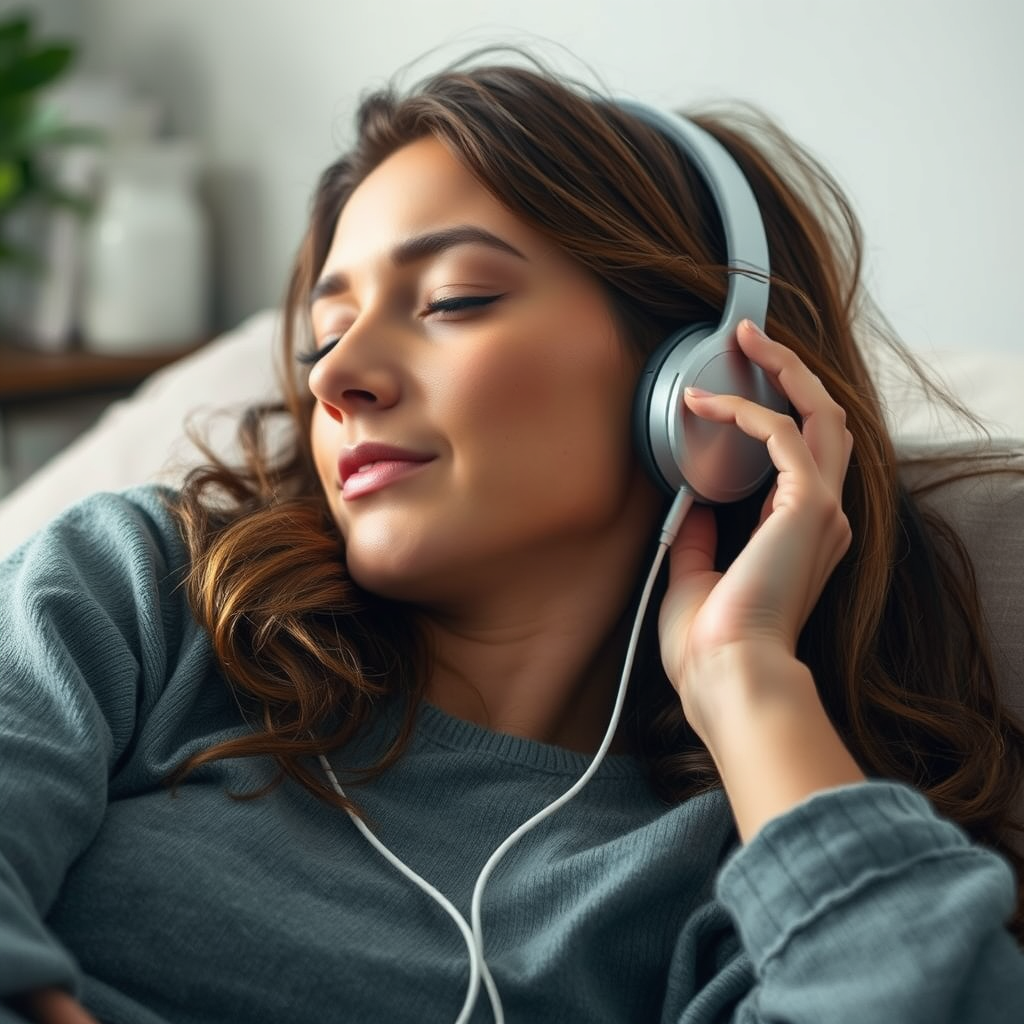

Falling asleep with earbuds in can be harmful to your health and comfort. While many people enjoy listening to music, podcasts, or white noise as they drift off, it’s essential to consider the potential risks involved. This article will explore the pros and cons of this habit, allowing you to make an informed decision about your nighttime audio preferences.
Potential Health Risks
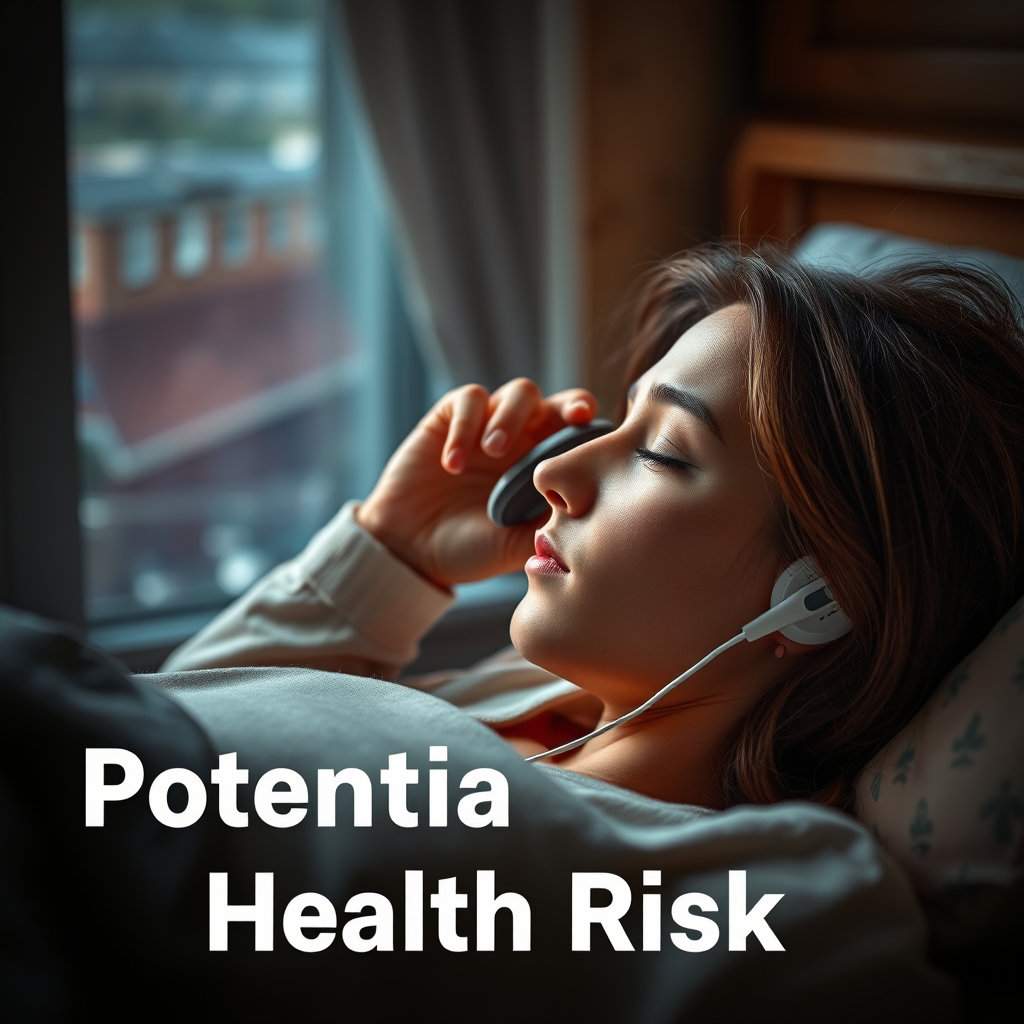
When considering the use of earbuds while sleeping, it is vital to acknowledge the potential health risks associated with this practice.
– Ear Health Issues: Prolonged contact with earbuds can lead to various ear health problems, including infections and excessive wax buildup. The warm and moist environment created by earbuds in the ear canal can foster the growth of bacteria and yeast, leading to infections. Additionally, continuous use can cause irritation and inflammation of the ear canal, known as otitis externa.
– Hearing Damage: Listening to audio at high volumes through earbuds, especially over extended periods, can lead to long-term hearing damage. The risk is amplified during sleep when individuals may be unaware of the volume level. Research indicates that exposure to sounds above 85 decibels can cause hearing loss, making it crucial to monitor volume levels when using earbuds overnight.
Sleep Quality Concerns
The quality of sleep is another critical aspect affected by falling asleep with earbuds in.
– Disruption of Sleep Cycles: Continuous audio playback can interrupt the natural sleep cycle, particularly the deeper stages of sleep known as slow-wave sleep. This disruption can result in a less restorative sleep experience, leaving individuals feeling fatigued upon waking. Studies have shown that consistent interruptions can lead to increased instances of waking during the night.
– Noise Sensitivity: Earbuds can inadvertently amplify ambient sounds if they fall out during sleep. This phenomenon can lead to an unexpected awakening, disrupting the sleep cycle even further. An individual may find themselves waking up multiple times throughout the night due to noises that would have otherwise gone unnoticed without earbuds.
Comfort and Safety Factors
In addition to health and sleep quality concerns, comfort and safety are essential considerations.
– Physical Discomfort: Wearing earbuds for extended periods can lead to discomfort or pain in the ears. The pressure of the earbuds against the ear canal can cause soreness, particularly if the earbuds are not well-fitted or designed for overnight use. Some individuals report experiencing ear fatigue or soreness after using earbuds during sleep.
– Choking Hazard: Loose wires or components of wired earbuds can pose safety risks if they become tangled during sleep. This can lead to a choking hazard, particularly for children or those who move around frequently in their sleep. Wireless earbuds mitigate this risk but may still have their own associated hazards if they become dislodged.
Alternatives to Earbuds
For those seeking audio entertainment during sleep without the drawbacks of traditional earbuds, several alternatives exist.
– Sleep Headphones: Specialized sleep headphones have been designed with comfort and sound quality in mind. These headphones often feature a flat, soft design that reduces pressure on the ears while providing a comfortable fit for side sleepers. Some models even come with built-in sleep masks, adding a layer of darkness to enhance sleep quality.
– White Noise Machines: White noise machines can provide soothing background noise without the need for earbuds. They work by generating a consistent sound that masks disruptive noises from the environment. This can be particularly beneficial for individuals living in noisy urban areas or those who are sensitive to sudden sounds during the night.
Tips for Safe Listening
If you prefer using earbuds while sleeping, consider implementing the following tips for safer listening.
– Volume Control: Keeping the volume at a safe level is crucial for minimizing hearing risks. Aim to keep the volume below 60% of the maximum level and consider using noise-canceling earbuds to reduce the need for higher volume levels.
– Time Limits: Setting a timer on your device for audio playback can help mitigate the risks associated with prolonged listening. This feature allows you to enjoy your favorite music or podcasts while ensuring that the audio stops after a predetermined period, reducing the likelihood of ear health issues and sleep disruptions.
Health Risks and Alternatives for Sleep Audio (2024)
| # | Issue/Alternative | Risk Level | Comfort Rating | Effectiveness |
|---|---|---|---|---|
| 1 | Ear Infections | High | Low | Low |
| 2 | Hearing Loss | High | Low | Low |
| 3 | Sleep Headphones | Low | High | High |
| 4 | Sleep Disruptions | Medium | Medium | Low |
| 5 | White Noise Machines | Low | High | High |
| 6 | Physical Discomfort | Medium | Low | Low |
| 7 | Choking Hazards | Medium | Medium | Low |
Expert Opinions
The insights of professionals in the fields of audiology and sleep medicine provide valuable guidance on this topic.
– Audiologists’ Advice: Many audiologists recommend avoiding earbuds while sleeping to protect ear health. They encourage individuals to consider alternative listening methods that do not involve inserting objects into the ear canal, particularly for those who are prone to ear infections.
– Sleep Specialists’ Insights: Sleep specialists emphasize the importance of uninterrupted sleep for overall well-being. They suggest that individuals who struggle with sleep quality should explore alternatives such as sleep headphones or white noise machines to promote a more restorative sleep environment without the associated risks of using earbuds.
In summary, maintaining a habit of falling asleep with earbuds in may carry several risks, including ear health issues, hearing damage, and potential disruptions to sleep quality. If you choose to listen to audio while sleeping, it is advisable to consider alternatives such as specialized sleep headphones, be mindful of volume levels, and establish time limits to safeguard your health. By exploring these options, you can enhance your nighttime routine and ensure a restful sleep experience.
Frequently Asked Questions
Is it bad to fall asleep with earbuds in?
Falling asleep with earbuds in can pose several risks, including potential ear infections and discomfort from prolonged pressure on the ear canal. Additionally, some earbuds can create a choking hazard or cause damage to your hearing if the volume is too high. It’s generally advisable to use sleep-friendly headphones or consider alternatives like white noise machines.
What are the health risks of sleeping with earbuds in?
The health risks of sleeping with earbuds in include earwax buildup, irritation of the ear canal, and an increased risk of ear infections due to moisture and bacteria. Furthermore, if the volume is too loud, it can lead to hearing loss over time. It’s important to weigh these risks against the benefits of listening to music or podcasts while trying to sleep.
How can I prevent discomfort when sleeping with earbuds?
To prevent discomfort when sleeping with earbuds, consider using soft, wireless earbuds designed specifically for sleep, which are typically shaped to fit comfortably in the ear without protruding. You can also try using a sleep mask with built-in speakers or pillow speakers to avoid the pressure and irritation that traditional earbuds can cause during the night.
Why do people use earbuds to fall asleep?
People often use earbuds to fall asleep because listening to calming music, nature sounds, or sleep stories can help reduce anxiety and promote relaxation. Earbuds can also help block out ambient noise, creating a more peaceful sleep environment. However, it’s important to choose the right type of earbuds to minimize potential discomfort or health issues.
Which are the best earbuds for sleeping comfortably?
The best earbuds for sleeping comfortably are those specifically designed for sleep, such as those with a low-profile design or memory foam tips that conform to the ear. Brands like Bose Sleepbuds and SleepPhones offer options that are comfortable for side sleepers and have sound quality optimized for relaxation. Look for features like wireless connectivity and a long battery life for an uninterrupted sleep experience.
References
- Is white coat hypertension a long-term problem? – Mayo Clinic
https://www.mayoclinic.org/healthy-lifestyle/adult-health/expert-answers/sleeping-with-earbuds/faq-20057792 - https://www.ncbi.nlm.nih.gov/pmc/articles/PMC6680572/
https://www.ncbi.nlm.nih.gov/pmc/articles/PMC6680572/ - https://www.hindawi.com/journals/bmri/2020/8892575/
https://www.hindawi.com/journals/bmri/2020/8892575/ - https://www.ncbi.nlm.nih.gov/pmc/articles/PMC6583884/
https://www.ncbi.nlm.nih.gov/pmc/articles/PMC6583884/ - https://www.bbc.com/future/article/20200225-why-you-shouldnt-sleep-with-earphones-in
https://www.bbc.com/future/article/20200225-why-you-shouldnt-sleep-with-earphones-in - https://www.healthline.com/health/sleeping-with-earbuds
https://www.healthline.com/health/sleeping-with-earbuds - https://www.sciencedirect.com/science/article/abs/pii/S0749379716300573
https://www.sciencedirect.com/science/article/abs/pii/S0749379716300573 - Google Scholar Google Scholar
https://scholar.google.com/scholar?q=sleeping+with+earbuds - Google Scholar Google Scholar
https://scholar.google.com/scholar?q=sleep+headphones+earbuds+health - Google Scholar Google Scholar
https://scholar.google.com/scholar?q=sleep+earbuds+risks+benefits
