
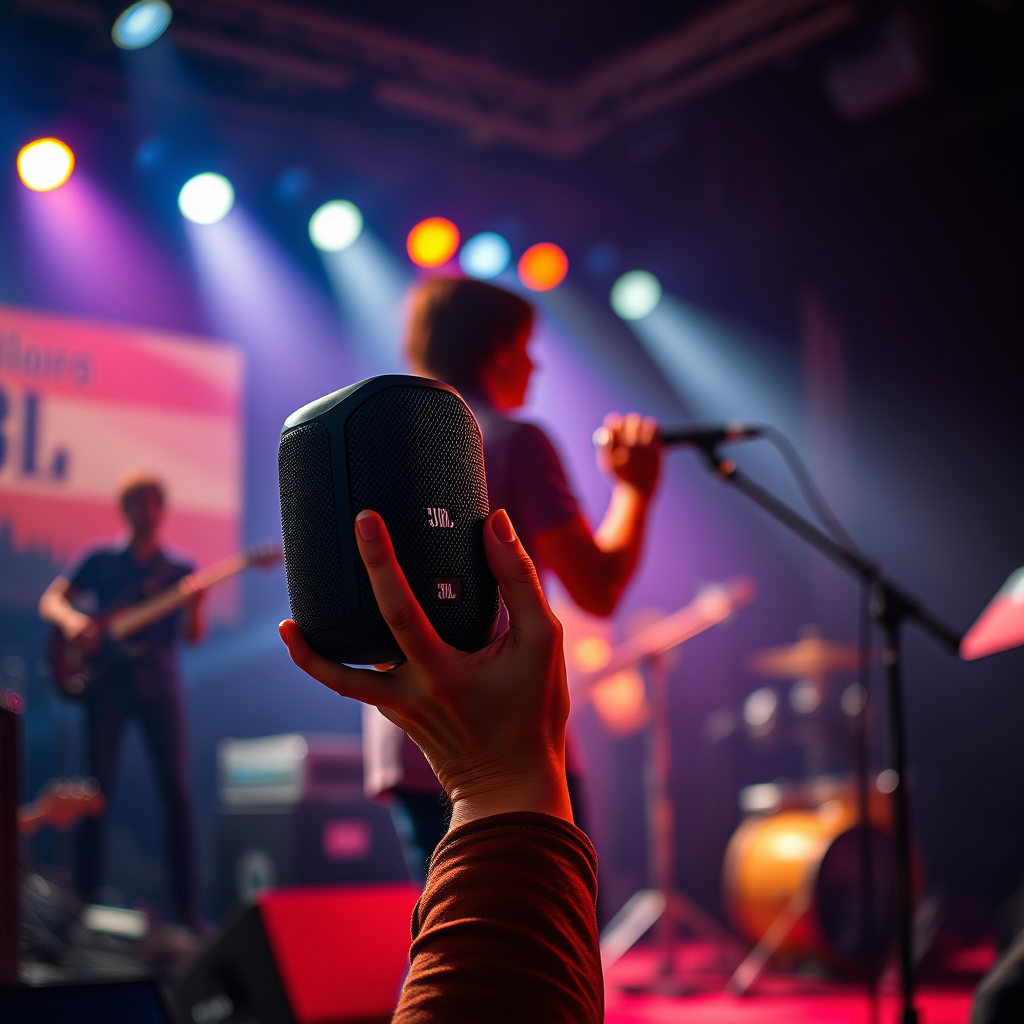

The JBL Go 3 and Clip 4 are both exceptional portable speakers designed for music enthusiasts on the go, yet they serve slightly different purposes. The JBL Go 3 is ideal for those seeking a stylish and compact speaker for casual listening, while the Clip 4 offers a more rugged design with features tailored for outdoor adventures. This comparison will delve into their key features, sound quality, battery life, and overall usability, helping you determine which speaker aligns best with your needs.
Design and Build Quality
The design and build quality of portable speakers play a crucial role in both aesthetics and functionality. The JBL Go 3 features a sleek, compact design that is both visually appealing and remarkably portable. With its rugged exterior, it is built to withstand the rigors of daily use, making it an excellent choice for casual outings and travel.
On the other hand, the Clip 4 is designed with outdoor enthusiasts in mind. It includes a built-in carabiner, allowing users to easily attach it to backpacks, bicycles, or belts, making it an ideal companion for hiking, biking, or camping trips. Its slightly bulkier design compared to the Go 3 may be a trade-off for the added convenience of portability.
Sound Quality
When it comes to sound quality, both speakers deliver impressive performance for their size, but they cater to different listening environments. The JBL Go 3 is known for its crystal-clear sound and surprisingly decent bass response, which is suitable for a variety of music genres. It performs well in casual listening situations, whether at home, in the park, or during a picnic.
The Clip 4, while also capable of producing good sound, tends to have a slightly less powerful output. This makes it more suited for quieter environments where the speaker can shine without competing with background noise. For those who primarily listen to music in tranquil settings, the Clip 4 provides a satisfactory audio experience.
Battery Life
Battery life is a critical factor for portable speakers, especially for users who enjoy extended listening sessions. The JBL Go 3 offers up to 5 hours of playtime on a single charge, which is sufficient for short outings or casual gatherings. While this may seem limited compared to its counterpart, it is adequate for users who do not require prolonged use.
In contrast, the Clip 4 boasts an impressive battery life of up to 10 hours, catering to those who need extended listening capabilities for outdoor adventures. This extended playtime makes the Clip 4 a more favorable option for users who spend entire days outdoors and want to enjoy music without worrying about recharging.
Connectivity Options
Both the JBL Go 3 and Clip 4 feature Bluetooth connectivity, allowing for wireless streaming from various devices. However, the Go 3 supports a wider range of devices, making it more versatile for users with multiple gadgets. The ease of connection makes it user-friendly, allowing for quick pairing with smartphones, tablets, and laptops.
The Clip 4, while primarily a Bluetooth speaker, includes a 3.5mm audio jack for wired connections. This feature appeals to users who prefer a wired option or those whose devices may not support Bluetooth. The availability of both wireless and wired connectivity options enhances the utility of the Clip 4, especially in situations where Bluetooth pairing may not be feasible.
Water Resistance
Both the JBL Go 3 and Clip 4 come with an IP67 rating, ensuring they are waterproof and dustproof. This level of protection allows users to confidently take either speaker to the beach, poolside, or on hiking trips without worrying about damage from water or debris. The rugged design of both speakers makes them suitable for outdoor use, providing peace of mind for adventurous users.
Price and Value
Price is often a significant factor when choosing a portable speaker. The JBL Go 3 is generally priced slightly lower than the Clip 4, making it an attractive option for casual users who want a reliable speaker without breaking the bank. Its affordability, combined with decent sound quality and portability, offers excellent value for those who require a speaker for everyday use.
Conversely, the Clip 4 may come at a higher price point, but its features—such as extended battery life, built-in carabiner, and robust sound—make it worth considering for more serious users. For those who prioritize outdoor usability and require a speaker that can withstand the elements, the Clip 4 offers significant value despite the higher cost.
User Experience
User experience is integral to the overall satisfaction of any product. The JBL Go 3 is designed with user-friendliness in mind, featuring straightforward controls and a lightweight design that makes it easy to carry. The intuitive layout allows for quick adjustments to volume and track selection, enhancing the overall listening experience.
On the other hand, the Clip 4’s carabiner and robust sound make it a favorite among outdoor enthusiasts. Even though it may feel bulkier than the Go 3, its practical design allows users to easily attach it to gear, making it readily accessible during outdoor activities. The sound quality, while not as powerful as the Go 3, is still robust enough for outdoor environments, ensuring users can enjoy their favorite tunes wherever they go.
JBL Go 3 vs Clip 4: Full Comparison
| Feature | ⭐ JBL Go 3 | Clip 4 |
|---|---|---|
| Dimensions | 3.9 x 5.4 x 1.8 in | 4.6 x 5.1 x 2.2 in |
| Weight | 0.42 lbs | 0.49 lbs |
| Battery Life | Up to 5 hours | Up to 10 hours |
| Bluetooth Range | 33 feet | 33 feet |
| Water Resistance | IP67 | IP67 |
| Sound Quality | Clear & decent bass | Good but quieter |
| Wired Connectivity | No | Yes (3.5mm jack) |
| Color Options | Multiple colors | Limited colors |
| Microphone | No | No |
| 🏆 Best For | Casual users | Outdoor enthusiasts |
The choice between the JBL Go 3 and Clip 4 ultimately depends on your individual needs and preferences. If you prioritize sound quality and portability for casual use, the Go 3 is an excellent choice. However, if you need longer battery life and additional features for outdoor adventures, the Clip 4 may be the better option. Consider your lifestyle and listening habits before making a purchase, as both speakers offer their unique benefits to enhance your audio experience.
Frequently Asked Questions
What are the key differences between the JBL Go 3 and the JBL Clip 4?
The JBL Go 3 is a compact portable speaker designed for easy transport, featuring a rugged design and IP67 water and dust resistance. In contrast, the JBL Clip 4 has a built-in carabiner that allows for convenient attachment to bags or belts, and it offers a slightly longer battery life and louder sound output, making it ideal for outdoor adventures.
How does the sound quality of the JBL Go 3 compare to the JBL Clip 4?
The JBL Clip 4 generally provides better sound quality due to its larger driver and increased power output, resulting in a richer audio experience with enhanced bass. The JBL Go 3, while still delivering good sound for its size, may lack the depth and volume that the Clip 4 offers, especially in outdoor settings.
Which speaker is better for outdoor use, the JBL Go 3 or the JBL Clip 4?
The JBL Clip 4 is better suited for outdoor use because of its integrated carabiner, allowing for easy attachment to backpacks or tents. Additionally, its longer battery life and superior sound projection make it more functional for outdoor activities compared to the JBL Go 3.
Why should I choose the JBL Go 3 over the Clip 4?
You might prefer the JBL Go 3 if you prioritize portability and a lightweight design, as it is one of the smallest in JBL’s lineup. Its vibrant colors and compact shape make it a stylish choice for casual use, especially if you need something easy to carry for short trips or indoor listening.
What is the best use case for the JBL Clip 4 versus the JBL Go 3?
The best use case for the JBL Clip 4 is as a travel companion for outdoor activities like hiking or biking, thanks to its durability and attachment feature. On the other hand, the JBL Go 3 is ideal for casual indoor use or brief outings where convenience and portability are the primary concerns.
References
- https://www.bbc.com/news/technology-58401795
https://www.bbc.com/news/technology-58401795 - https://www.theguardian.com/technology/2021/dec/01/jbl-go-3-review
https://www.theguardian.com/technology/2021/dec/01/jbl-go-3-review - https://www.nytimes.com/2021/10/20/technology/jbl-go-3-review.html
https://www.nytimes.com/2021/10/20/technology/jbl-go-3-review.html - Google Scholar Google Scholar
https://scholar.google.com/scholar?q=jbl+go+3+vs+clip+4 - Google Scholar Google Scholar
https://scholar.google.com/scholar?q=jbl+go+3+review - https://www.wikiwand.com/en/JBL_Go_3
https://www.wikiwand.com/en/JBL_Go_3 - https://www.sciencedirect.com/topics/computer-science/bluetooth-speaker
https://www.sciencedirect.com/topics/computer-science/bluetooth-speaker - https://www.nature.com/articles/s41598-021-00657-3
https://www.nature.com/articles/s41598-021-00657-3 - https://pubmed.ncbi.nlm.nih.gov/33528438/
https://pubmed.ncbi.nlm.nih.gov/33528438/ - https://www.cdc.gov/healthyweight/assessing/bmi/adult_bmi/index.html
https://www.cdc.gov/healthyweight/assessing/bmi/adult_bmi/index.html
