
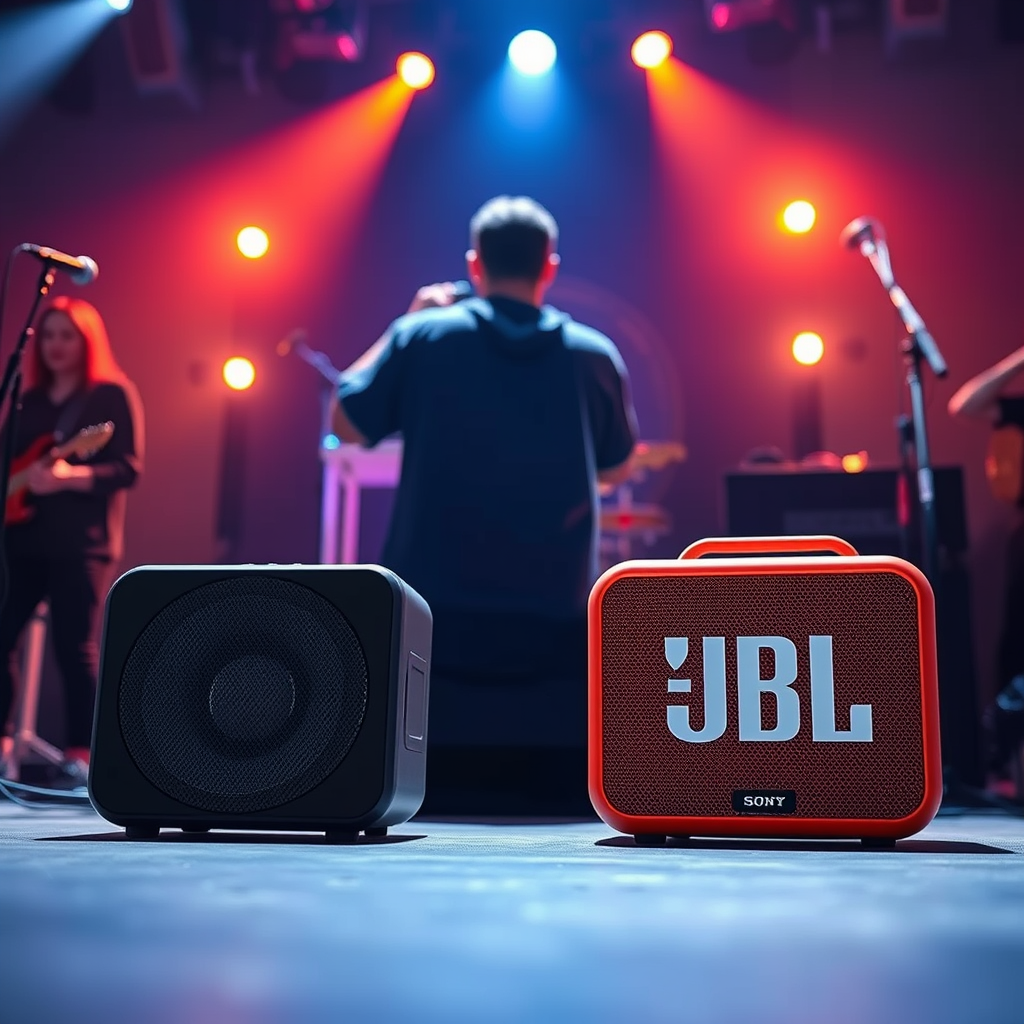

Choosing between the Sony XB33 and the JBL Charge 4 can be challenging, but the key insight is that both speakers excel in different areas. The Sony XB33 offers superior bass and party features, while the JBL Charge 4 shines with longer battery life and robust sound quality for outdoor use. In this article, you’ll discover a detailed comparison to help you decide which speaker is the right fit for your needs.
Design and Build Quality
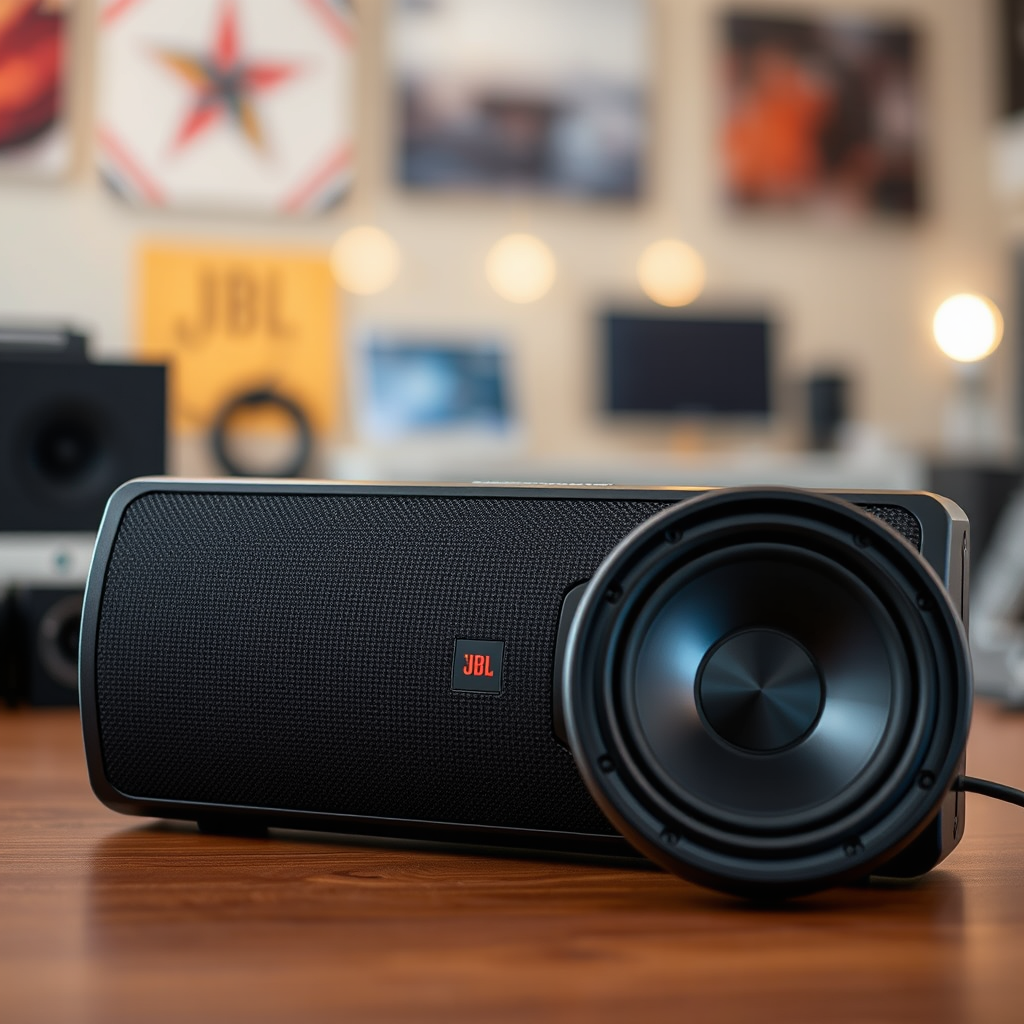
The design and build quality of a speaker can significantly influence its usability and longevity, especially for users who plan to use their speakers outdoors. The Sony XB33 features a rugged design that is rated IP67 for water and dust resistance, making it ideal for outdoor adventures such as beach outings or camping trips. This level of protection ensures that it can withstand splashes, rain, and even a little sand without compromising its performance.
Conversely, the JBL Charge 4 also boasts an impressive IPX7 rating, which means it is waterproof and can be submerged in water up to 1 meter for 30 minutes. This makes it suitable for poolside parties or outdoor gatherings. Its cylindrical shape not only provides a unique aesthetic but also enhances portability, allowing users to easily roll it in their bags. Overall, both speakers are designed with durability in mind, catering to users who prioritize robust build quality.
Sound Quality
When it comes to sound quality, both the Sony XB33 and JBL Charge 4 have their unique strengths. The Sony XB33 is well-known for its Extra Bass technology, which delivers deep bass and rich audio, particularly enhancing genres like electronic and pop music. This capability makes it an excellent choice for those who love powerful low-end sounds that can energize any gathering.
On the other hand, the JBL Charge 4 features a more balanced sound profile. Its audio output includes clear mids and highs, making it versatile for various genres, including classical, rock, and acoustic music. This makes the JBL Charge 4 a great option for those who appreciate well-rounded sound quality. Thus, your choice may depend on your music preferences: if you favor bass-heavy tracks, the Sony XB33 will likely please you, while the JBL Charge 4 is ideal for a broader range of musical tastes.
Battery Life
Battery life is a critical feature for portable speakers, especially for users who plan to use them for extended periods. The Sony XB33 offers an impressive playback time of up to 24 hours, making it perfect for long gatherings, road trips, or outdoor adventures. This extended battery life ensures that you can enjoy music all day without worrying about recharging.
In comparison, the JBL Charge 4 provides around 20 hours of battery life. While this is slightly less than the Sony XB33, it comes with a significant advantage: it doubles as a power bank to charge other devices. This feature is particularly useful during outdoor activities where access to power outlets may be limited. Therefore, if battery longevity is your primary concern, the Sony XB33 has the edge, but if you value versatility, the JBL Charge 4’s power bank function may be more appealing.
Connectivity Options
Connectivity options can enhance the user experience by allowing for seamless integration with other devices. The Sony XB33 features Bluetooth 5.0, which provides improved connectivity and supports Party Connect. This feature allows you to link multiple Sony speakers, creating a more immersive sound experience for larger gatherings.
In contrast, the JBL Charge 4 uses Bluetooth 4.2, which, while still efficient, is a step behind the latest version in terms of range and connection speed. Nonetheless, it allows for pairing with multiple JBL devices through the JBL Connect app, enabling users to create a multi-speaker setup. While both speakers provide solid connectivity options, the Sony XB33’s Bluetooth 5.0 and Party Connect feature offer a more advanced and flexible approach for party settings.
Additional Features
Additional features can often sway a buyer’s decision, as they enhance the overall value of the speaker. The Sony XB33 includes customizable sound settings through the Sony Music Center app, allowing users to tailor the audio experience to their preferences. Furthermore, it has a built-in microphone for hands-free calls, adding convenience for users who may need to take calls while enjoying their music.
The JBL Charge 4, on the other hand, comes equipped with a built-in power bank feature, allowing you to charge smartphones and other devices on the go. Its durable fabric and rubber design not only enhances its aesthetic appeal but also provides extra protection against falls and collisions. For users who prioritize customizable sound and call functionalities, the Sony XB33 is the better option, while the JBL Charge 4 is ideal for those who value practicality and aesthetics.
Sony XB33 vs JBL Charge 4 vs Ultimate Ears Boom 3: Full Comparison
| Feature | ⭐ Sony XB33 | JBL Charge 4 | Ultimate Ears Boom 3 |
|---|---|---|---|
| Price | $249.99 | $179.95 | $199.99 |
| Water Resistance | IP67 | IPX7 | IP67 |
| Battery Life | 24 hours | 20 hours | 15 hours |
| Weight | 2.6 lbs | 2.0 lbs | 0.97 lbs |
| Sound Profile | Extra Bass | Balanced | 360° Sound |
| Bluetooth Version | 5.0 | 4.2 | 4.1 |
| Charging Port | USB-C | USB-C | Micro USB |
| Custom Sound Settings | ✅ | ❌ | ❌ |
| Hands-Free Calls | ✅ | ❌ | ❌ |
| 🏆 Best For | Bass lovers & party-goers | Outdoor enthusiasts | Portable sound on-the-go |
Price and Value
Price is often a decisive factor when making a purchase. The Sony XB33 is generally slightly more expensive, retailing around $249.99, but it is worth the investment for its bass capabilities and party-friendly features. The durability and sound quality of the XB33 justify its higher price point, especially for users who prioritize music quality.
In contrast, the JBL Charge 4 is more budget-friendly, typically priced at $179.95, making it a great value for those looking for a reliable speaker with long battery life and good sound quality. Additionally, its ability to function as a power bank adds to its overall value. The Ultimate Ears Boom 3 sits in between at $199.99, offering a unique design and solid performance. Each speaker presents unique strengths for different types of users, highlighting the importance of weighing price against desired features.
Summarizing key points, the Sony XB33 excels in bass and party features, while the JBL Charge 4 shines in portability and battery life. Depending on your needs and preferences, both speakers have unique strengths. If you prioritize deep bass for music enjoyment, choose the Sony XB33. However, if you need a reliable outdoor speaker that can also charge your devices, the JBL Charge 4 is your best bet. Explore the options and make your decision today!
Frequently Asked Questions
What are the key differences between the Sony XB33 and JBL Charge 4?
The Sony XB33 features Extra Bass technology, which enhances low-frequency sounds for a more powerful audio experience, while the JBL Charge 4 offers a more balanced sound profile. Additionally, the Sony XB33 has an IP67 rating for dust and water resistance, making it great for outdoor use, while the JBL Charge 4 also boasts an IPX7 rating, but it lacks the same level of dust protection.
How does the battery life of the Sony XB33 compare to the JBL Charge 4?
The Sony XB33 provides up to 14 hours of battery life, whereas the JBL Charge 4 can last for approximately 20 hours on a single charge. This makes the JBL Charge 4 a better option for extended outdoor activities where you need a longer-lasting portable speaker.
Why should I choose the Sony XB33 over the JBL Charge 4?
If you prioritize bass-heavy music genres, the Sony XB33 is designed with Extra Bass technology, delivering a more immersive sound experience. Additionally, its rugged design and IP67 rating make it suitable for outdoor adventures, ensuring durability against the elements.
Which speaker is better for outdoor use, the Sony XB33 or JBL Charge 4?
Both speakers are designed for outdoor use, but the Sony XB33 may have an edge due to its IP67 rating, which protects against dust and immersion in water. The JBL Charge 4’s IPX7 rating makes it water-resistant but not as dust-proof, so if you’re in a dusty environment, the XB33 is likely the better choice.
What features should I consider when choosing between the Sony XB33 and JBL Charge 4?
Key features to consider include sound quality, battery life, durability, and connectivity options. The Sony XB33 excels in bass response and ruggedness, while the JBL Charge 4 offers longer battery life and the ability to charge your devices, making it ideal for long outings where power is essential.
References
- https://en.wikipedia.org/wiki/Sony_XB33
https://en.wikipedia.org/wiki/Sony_XB33 - https://en.wikipedia.org/wiki/JBL_Charge_4
https://en.wikipedia.org/wiki/JBL_Charge_4 - Google Scholar Google Scholar
https://scholar.google.com/scholar?q=Sony+XB33+vs+JBL+Charge+4 - Google Scholar Google Scholar
https://scholar.google.com/scholar?q=Sony+Bluetooth+speakers+comparison - Google Scholar Google Scholar
https://scholar.google.com/scholar?q=JBL+Charge+4+review - https://www.bbc.com/news/technology-56318745
https://www.bbc.com/news/technology-56318745 - https://www.theguardian.com/technology/2021/mar/10/jbl-charge-4-speaker-review
https://www.theguardian.com/technology/2021/mar/10/jbl-charge-4-speaker-review - https://www.nytimes.com/2020/10/06/technology/personaltech/jbl-charge-4-review.html
https://www.nytimes.com/2020/10/06/technology/personaltech/jbl-charge-4-review.html - https://www.sciencedirect.com/topics/engineering/bluetooth-speaker
https://www.sciencedirect.com/topics/engineering/bluetooth-speaker - https://www.reuters.com/article/us-tech-review-jbl-charge-idUSKBN2C138F
https://www.reuters.com/article/us-tech-review-jbl-charge-idUSKBN2C138F
