
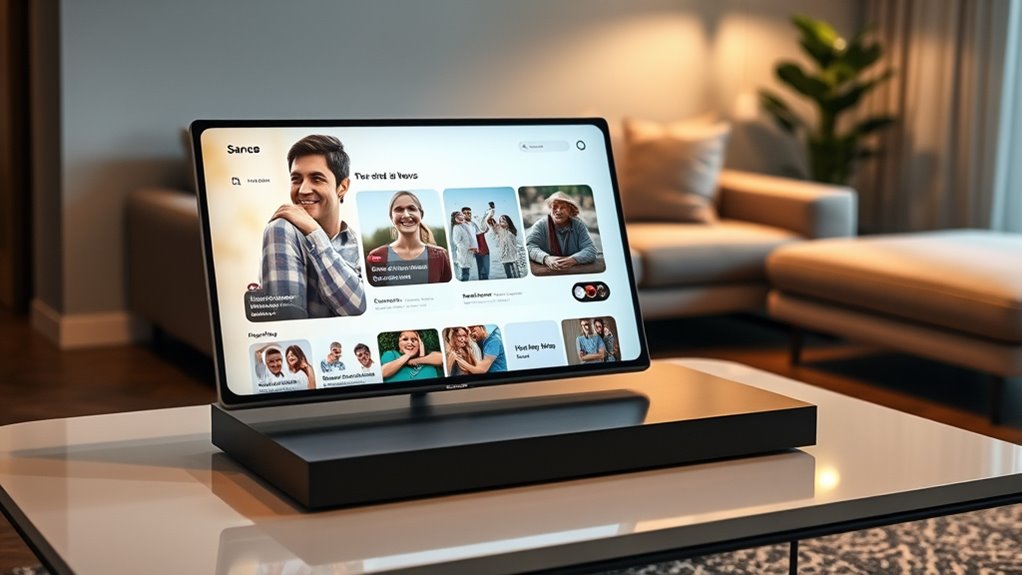

Personalized AI revolutionizes smart display experiences by learning your preferences and behaviors. It customizes interfaces, highlights your favorite content, and delivers tailored information, enhancing user engagement. Machine learning analyzes your habits to predict what you’ll want next, allowing seamless interactions. However, as these advancements grow, so do privacy concerns regarding data collection and ethical practices. Exploring these complexities can reveal even deeper insights into the future of smart displays and how they’ll shape your daily life.
Understanding Personalized AI and Its Functionality
Personalized AI is revolutionizing the way we interact with technology, especially on smart displays. By harnessing personalized algorithms, these devices learn from your user preferences, adapting to create a more tailored experience. You’re not just a passive observer; your choices shape how the technology responds. Whether it’s recommending shows based on your viewing history or adjusting settings to suit your mood, personalized AI empowers you to engage with smart displays on your terms. This adaptability not only enhances convenience but also fosters a sense of freedom, allowing you to curate your digital interactions. As these algorithms become more sophisticated, the potential for a truly personalized experience expands, making technology feel more intuitive and aligned with your unique lifestyle.
Enhancing User Experience Through Customization
How can customization transform your experience with smart displays? By tailoring the interface and content to your specific user preferences, you’ll enjoy a more intuitive interaction. Smart displays can adapt to your user behavior, learning what you like, when you like it, and how you prefer to engage. This means your favorite recipes, news updates, or music playlists can be highlighted, making your daily routine smoother. Imagine waking up to personalized news briefings or recipe suggestions crafted just for you. The freedom to customize your experience not only enhances convenience but also fosters a deeper connection with your technology. Ultimately, embracing customization empowers you to design a smart display experience that truly reflects your lifestyle and needs.
The Role of Machine Learning in Smart Displays
As smart displays continue to evolve, machine learning plays an essential role in enhancing their functionality and user interaction. By leveraging advanced machine learning algorithms, these devices can analyze your habits and preferences, making them more intuitive and responsive to your needs. Imagine a smart display that learns when you typically want to see your calendar or your favorite news updates, adapting its interface accordingly. This not only streamlines your experience but also transforms passive viewing into an engaging interaction. The more these algorithms learn from your behavior, the better they can predict your desires, allowing for a personalized touch that aligns with your lifestyle. Ultimately, machine learning empowers you to enjoy a truly dynamic and customized smart display experience.
Privacy Concerns and Ethical Considerations
While the advancements in machine learning have considerably improved the functionality of smart displays, they also raise pressing privacy concerns and ethical considerations. You’re likely aware that these devices collect vast amounts of personal data, and without robust data security measures, that information can be vulnerable to breaches. The ethical implications of using this data for targeted advertising or surveillance can’t be overlooked. It’s essential to question who benefits from this information and whether consent is genuinely informed. As you engage with these smart displays, consider how much you’re willing to trade your privacy for convenience. By advocating for stronger privacy protections, you can help shape a future where technology respects individual freedoms while still offering personalized experiences.
The Future of Smart Displays With Personalized AI
With the rapid evolution of technology, smart displays are poised to become increasingly integrated into our daily lives through personalized AI. Imagine devices that not only respond to commands but also understand your preferences and context, enhancing user engagement. Here’s what you might expect:
- Context Awareness: Smart displays will adapt to your environment, offering tailored information based on your location and activities.
- Enhanced Interactivity: Natural language processing will allow for smoother conversations, making technology feel more intuitive.
- Personalized Content: From news to entertainment, your interests will shape what you see.
- Seamless Integration: Devices will work together, creating a cohesive smart home experience that anticipates your needs.
This future promises not just convenience but a richer interaction with technology, empowering you in ways previously unimagined.
Frequently Asked Questions
How Do Personalized AI Systems Learn User Preferences Over Time?
You might wonder how personalized AI systems adapt. They learn from user feedback and utilize adaptive algorithms, continuously refining their understanding of your preferences, ultimately creating a more tailored and engaging experience that feels uniquely yours.
What Types of Data Do Smart Displays Collect for Personalization?
Smart displays collect data like user behavior, usage patterns, voice commands, interaction history, device settings, and location data. This information helps tailor experiences, ensuring your device understands your preferences and adapts to your unique lifestyle.
Can Personalized AI Work Offline Without Internet Connectivity?
Personalized AI’s offline capabilities are like a well-trained dog; it adapts to your needs even without internet. While limited, it can still perform basic tasks, enhancing your experience when connectivity isn’t available.
How Do Different Brands Implement Personalized AI in Their Displays?
Different brands implement personalized AI by using unique brand strategies, tailoring display features to user preferences. Each approach focuses on enhancing interaction, ensuring your experience feels intuitive, relevant, and ultimately more enjoyable in your daily life.
What Are the Potential Drawbacks of Using Personalized AI in Smart Displays?
When using personalized AI in smart displays, you might face privacy concerns and increased user dependency. These factors can limit your control and autonomy, making it essential to weigh convenience against the potential risks to your freedom.
