
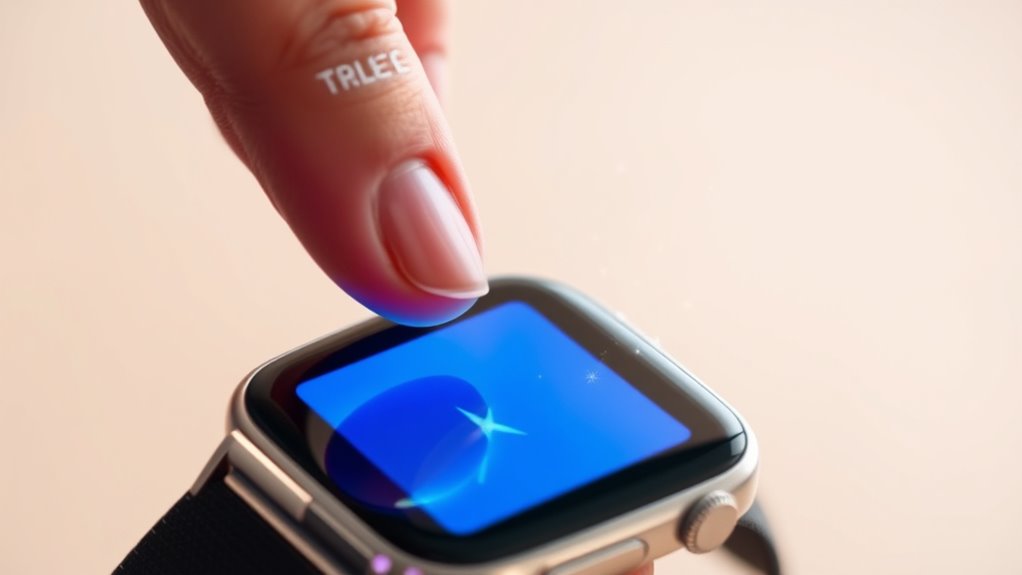

Haptic feedback plays an essential role in wearable displays by providing tactile sensations that enhance your interaction with devices. It makes notifications more personal and guides navigation with intuitive vibrations. This technology not only improves accessibility, especially for those with visual impairments, but also creates immersive experiences in gaming and health monitoring. As integration challenges persist, you'll find that understanding these developments could lead to exciting advancements in how you connect with your wearables.
Understanding Haptic Feedback Technology
While you might think of haptic feedback as just a buzz or vibration from your phone, this technology goes much deeper, enhancing user interfaces in wearable displays. Haptic technology advancements have revolutionized how you interact with devices, providing more than just alerts. Imagine feeling a subtle pulse when receiving a notification or the texture of virtual buttons on your wrist. These tactile sensation applications create a more immersive experience, allowing you to connect with your technology on a personal level. As these advancements continue, you'll find that haptic feedback can make your interactions more intuitive, fluid, and fulfilling, offering an exciting glimpse into a future where technology feels more organic in your daily life.
Enhancing User Interaction With Tactile Feedback
Haptic feedback is changing the way you interact with wearable displays by adding a layer of tactile sensation that enhances your experience. By integrating haptic design principles, these devices provide a richer, more intuitive interface. Here's how tactile user experiences can elevate your engagement:
- Feedback Sensation: You'll feel vibrations or taps that confirm your actions, making interactions feel more responsive and satisfying.
- Guided Navigation: Subtle haptic cues can guide you through menus or notifications, allowing for seamless navigation without needing to look at the screen.
- Emotional Connection: Tactile feedback can evoke emotions, enhancing your connection to the device and making your experience more personal.
Embracing this technology not only improves usability but also transforms how you relate to your wearable devices.
Applications of Haptic Feedback in Wearable Devices
Haptic feedback in wearable devices is revolutionizing how you interact with technology, making experiences more intuitive and engaging. From receiving subtle alerts for health monitoring to enhancing user interactions in apps, these tactile responses can greatly improve functionality. As you explore these applications, you'll discover how haptic feedback not only enriches your experience but also plays an essential role in your well-being.
Enhanced User Interaction
Wearable devices are revolutionizing the way you interact with technology, and haptic feedback plays an essential role in this transformation. By integrating thoughtful haptic design, these devices not only enhance user satisfaction but also create immersive experiences. Here are three key applications of haptic feedback in wearable devices:
- Notifications: Gentle vibrations can discreetly alert you to incoming messages or calls without disrupting your environment.
- Navigation: Haptic cues guide you through directions, allowing for hands-free navigation while you're on the move.
- Gaming: Enhanced tactile sensations immerse you deeper into virtual worlds, making gameplay more engaging and responsive.
These applications emphasize how effective haptic feedback can elevate your interaction with wearable technology, fostering a more intuitive and satisfying user experience.
Health Monitoring Alerts
As health monitoring becomes increasingly essential in our daily lives, the integration of haptic feedback in wearable devices offers a powerful tool for real-time alerts. Imagine receiving discreet health alerts through soft vibrations on your wrist, ensuring you stay informed without disrupting your flow. This technology not only enhances your awareness of critical health metrics but also empowers you to take immediate action when needed. For instance, fitness notifications can remind you to move after prolonged inactivity or alert you to an elevated heart rate during exercise. By transforming how you interact with your health data, haptic feedback fosters a more responsive and engaged approach to wellness, helping you maintain a balanced lifestyle while enjoying the freedom of hands-free monitoring.
Improving Accessibility Through Haptic Responses
Haptic responses in wearable displays can considerably enhance user interaction by providing tactile feedback that makes technology more intuitive. Imagine steering your environment with subtle vibrations guiding you along the way; this is where haptic feedback shines as a tool for navigational assistance. By integrating these features, devices become more accessible, allowing everyone to engage seamlessly with technology.
Enhancing User Interaction
While technology continues to evolve, the integration of haptic feedback in wearable displays has emerged as a game-changer for enhancing user interaction, particularly for individuals with disabilities. This innovative haptic design not only enriches the user experience but also opens doors to greater accessibility. Here are three key benefits:
- Intuitive Communication: Haptic feedback can convey information through tactile cues, allowing users to receive notifications or alerts without relying solely on visual or auditory signals.
- Enhanced Engagement: Users can interact more naturally with their devices, feeling vibrations or pulses that correspond to actions, making technology feel more responsive.
- Personalized Feedback: Customizable haptic responses enable users to tailor their experience, ensuring that they can interact in a way that suits their needs and preferences.
This evolution in user interaction empowers everyone to connect more freely with technology.
Navigational Assistance Features
Wearable displays equipped with haptic feedback are not just about enhancing user interaction; they also play a crucial role in navigational assistance, particularly for those with visual impairments. With haptic navigation, you can receive essential information through tactile cues, guiding you effortlessly through unfamiliar environments. Instead of relying solely on visual maps or auditory directions, these devices provide subtle vibrations or patterns that indicate turns, distance, or obstacles ahead. This intuitive communication allows you to navigate with confidence and independence. By integrating haptic feedback into wearable displays, technology becomes a powerful ally, breaking down barriers and making the world more accessible. Embracing this innovation can empower you, offering a new sense of freedom in movement and exploration.
The Impact of Haptic Feedback on User Engagement
As users interact with technology, the incorporation of tactile sensations can greatly enhance their overall experience. Haptic feedback not only engages your senses but also creates dynamic feedback loops that improve user experience. Here are three key impacts of haptic feedback on user engagement:
- Enhanced Interaction: Tactile responses make your interactions feel more intuitive, helping you connect with the technology on a deeper level.
- Increased Understanding: When you receive immediate feedback through vibrations or taps, it reinforces your actions, making navigation and task completion easier.
- Emotional Connection: Positive haptic experiences can evoke emotions, leading to a stronger attachment to the device and greater overall satisfaction.
Future Trends in Haptic Technology for Wearables
With technology evolving at a rapid pace, the future of haptic feedback in wearables promises to revolutionize how you interact with devices. Haptic advancements are paving the way for more immersive experiences, allowing you to feel textures, vibrations, and even temperature changes. Imagine wearing a device that translates notifications into tactile sensations, making interactions feel more intuitive. Future innovations could include customizable feedback, where you can tailor vibrations based on personal preferences or activities. Enhanced precision in haptic technology will also foster deeper connections in virtual reality and gaming, enriching your experience. As developers push boundaries, the integration of sophisticated haptic systems will empower you to engage with the digital world in ways you've only dreamed of.
Challenges and Limitations of Haptic Feedback Integration
Although the promise of haptic feedback in wearable devices is exciting, several challenges and limitations stand in the way of its widespread adoption. Here are a few integration hurdles that could impact user experience:
- Technical Constraints: Developing compact, efficient haptic technology that fits into wearable form factors without compromising comfort remains a significant challenge.
- Compatibility Issues: Ensuring seamless integration with various operating systems and applications complicates the user experience, as not all devices support advanced haptic feedback.
- User Acceptance: Some users may find haptic feedback distracting or overwhelming, leading to skepticism about its benefits, which can hinder adoption.
Addressing these challenges is essential for enhancing the overall user experience and revealing the full potential of haptic feedback in wearables.
Frequently Asked Questions
How Does Haptic Feedback Improve User Experience in Wearable Devices?
Haptic feedback enhances your experience by improving gesture recognition and providing sensory enhancement. It creates a more intuitive interaction, allowing you to feel notifications and commands, making your wearable devices more engaging and responsive to your needs.
Are There Any Health Risks Associated With Haptic Feedback in Wearables?
Did you know that up to 20% of users experience sensory sensitivity issues? While haptic safety concerns exist, most individuals enjoy the benefits without significant risks. Awareness is key to ensuring a safe, enjoyable experience.
Can Haptic Feedback Be Customized for Individual Users?
Yes, haptic feedback can be customized for individual users. You can adjust user settings to match your personal preferences, ensuring a tailored experience that enhances your interaction and comfort with the device, maximizing its effectiveness.
What Are the Most Common Types of Haptic Feedback Used?
When it comes to haptic feedback, you'll encounter tactile sensations from vibration motors, electrostatic feedback for subtle touches, and piezoelectric actuators delivering precise responses. Each type enhances your experience, making technology feel more intuitive and engaging.
How Does Haptic Feedback Compare to Visual Notifications in Wearables?
Haptic feedback offers unique advantages, like discreetness and immediacy, enhancing notification effectiveness. Unlike visual alerts that can be missed, haptics engage your senses directly, providing a more personal and immersive experience when you're on the go.
