


The term “PA” in the context of speakers stands for “Public Address.” This refers to a sound system designed to amplify voice and music in public venues. PA systems are crucial for effective communication, whether in schools, concerts, or corporate events. In this article, you’ll learn more about the different components of PA systems, their applications, and why they are essential for effective sound management.
Understanding Public Address Systems
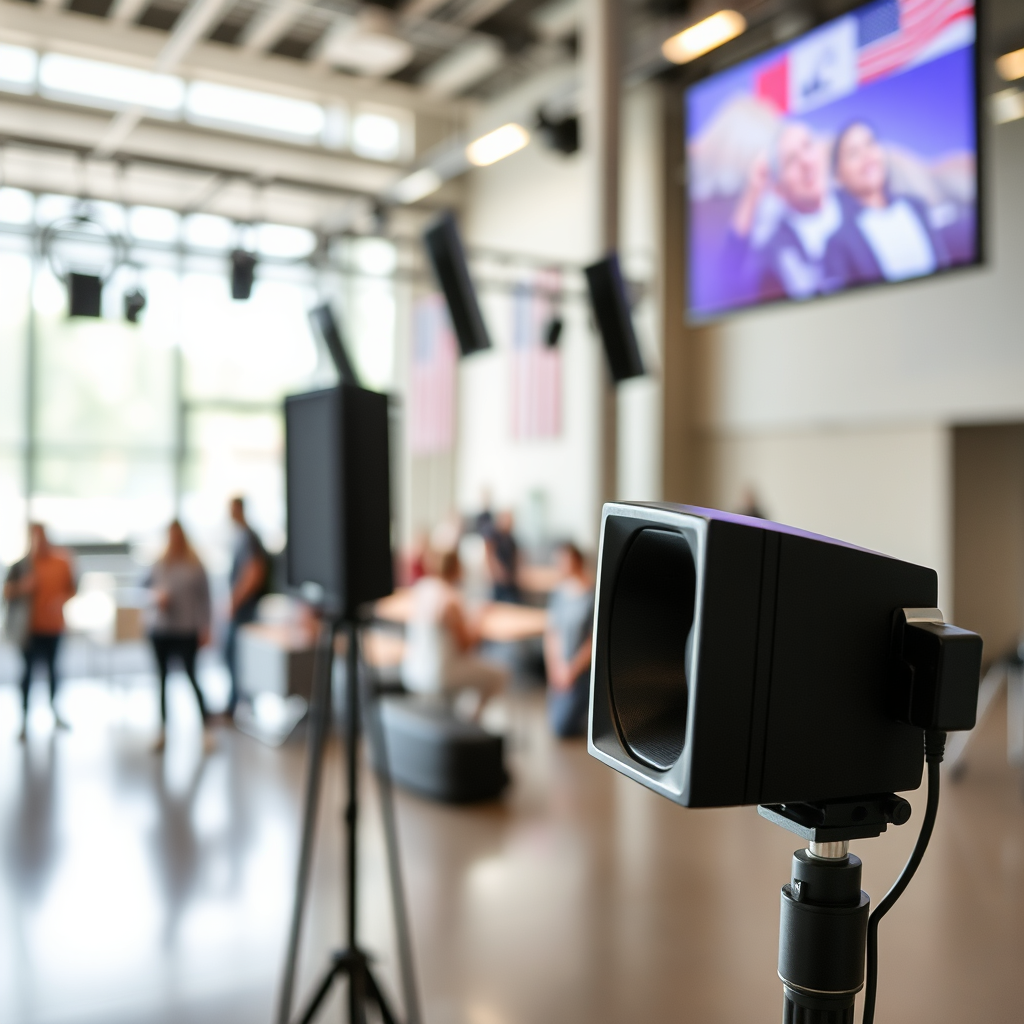
A Public Address (PA) system is a set of equipment that allows a person to address a large audience by amplifying their voice and other audio sources. PA systems are essential in various settings, including schools, churches, auditoriums, and outdoor events, as they ensure that sound is evenly distributed across space.
Key components of a PA system include microphones, amplifiers, and speakers. Microphones capture sound, amplifiers increase the sound level to a suitable volume, and speakers disperse the sound to the audience. Together, these components create a seamless audio experience that can enhance presentations, performances, or announcements.
Types of PA Systems
PA systems can be categorized into two main types: portable and installed systems.
Portable PA Systems are designed for easy transport and setup. They are ideal for events where sound reinforcement is only needed temporarily, such as outdoor festivals, business presentations, or impromptu gatherings. These systems often come with built-in batteries, making them versatile and convenient.
Installed PA Systems, on the other hand, are permanently set up in a location, such as a school auditorium or a concert hall. These systems are typically more complex, often incorporating advanced technology for sound management and integration with other systems, such as lighting and video.
Additionally, PA systems can be tailored for specific applications. For example, systems designed for indoor use might prioritize clarity and intelligibility, while outdoor systems must focus on power and coverage to overcome environmental noise. Event-specific systems might include features like feedback suppression and wireless capabilities to accommodate various performance styles.
Components of a PA System
A well-functioning PA system relies on several key components that work together to deliver high-quality sound.
Microphones play a crucial role by capturing audio signals. They come in various types, including handheld, lavalier, and shotgun microphones, each suited for different applications. For instance, lavalier microphones are excellent for presenters who need to move freely without holding a mic.
Mixers are another essential component. They allow sound engineers to adjust levels, equalize frequencies, and combine various audio sources. A quality mixer ensures that all audio inputs are balanced and mixed appropriately, leading to a clear and pleasant sound experience.
Amplifiers boost the audio signals to a level that can drive the speakers effectively. The choice of amplifier is critical, as it must match the power requirements of the connected speakers to avoid distortion and achieve optimal sound quality.
Top 7 PA System Brands (2024)
| # | Brand | Power Output (W) | Weight (lbs) | Price ($) |
|---|---|---|---|---|
| 1 | QSC | 1600 | 30 | $1,200 |
| 2 | Yamaha | 1200 | 28 | $900 |
| 3 | Mackie | 1000 | 25 | $750 |
| 4 | Behringer | 800 | 22 | $500 |
| 5 | JBL | 1500 | 35 | $1,100 |
| 6 | Samson | 600 | 20 | $400 |
| 7 | Peavey | 900 | 24 | $650 |
Applications of PA Systems
PA systems are widely used across various sectors, each benefiting from the technology in distinct ways.
In schools, PA systems facilitate announcements, daily communications, and emergency notifications, ensuring that all students and staff can hear important messages clearly. For instance, during fire drills, a well-functioning PA system can help manage the evacuation process smoothly.
Concerts and live events rely heavily on PA systems to deliver sound to large audiences. Here, the quality and power of the system can significantly enhance the audience’s experience, allowing them to enjoy the performance fully.
Businesses utilize PA systems for internal communication, making announcements during events or coordinating staff in large areas. In community gatherings, these systems ensure that speakers can effectively reach the crowd, enhancing engagement and participation.
Choosing the Right PA System
Selecting the right PA system involves careful consideration of several factors:
1. Size of the Venue: Larger venues require more powerful systems with greater coverage. Conversely, smaller spaces can benefit from more compact, portable systems.
2. Purpose: Determine whether the system will be used for music, speech, or both. This will influence your choice of microphones, mixers, and speakers.
3. Budget: Prices can vary significantly based on brand and features. It’s essential to find a system that meets your needs without overspending. Brands like QSC, Yamaha, and JBL are known for their reliability and performance.
4. Future Scalability: Consider whether you might need to expand your system later. Investing in a modular system can allow for upgrades without complete replacement.
Maintenance and Troubleshooting
Ensuring your PA system operates smoothly requires regular maintenance and familiarity with common issues.
Common problems include feedback loops, poor sound quality, and equipment failure. Feedback can often be resolved by adjusting microphone placement or using directional microphones. If sound quality is lacking, checking connections and ensuring that all components are in good working order can help.
To extend the life of your PA system, perform regular maintenance checks. This includes cleaning microphones, inspecting cables for wear, and ensuring that all components are stored properly when not in use.
Future Trends in PA Technology
The evolution of PA systems is ongoing, with several key trends shaping the future of sound technology.
Innovations in sound quality are making systems more efficient and capable of delivering clearer sound across wider frequencies. Digital signal processing (DSP) technology is becoming commonplace, allowing for more precise control over sound characteristics.
Wireless systems are also gaining popularity, freeing users from the constraints of cables and enabling more flexibility during performances. Advancements in battery technology are enhancing portability and reducing reliance on external power sources.
As digital technology continues to advance, we can expect further integration of smart technologies into PA systems, allowing for enhanced user control and automation.
Summarizing the importance of PA systems, they are crucial for effective communication in various settings, from small meetings to large concerts. Whether you are planning an event or looking to enhance your business communications, understanding PA systems will help you make informed decisions. Explore your options and invest in a quality system that meets your needs.
Frequently Asked Questions
What does PA stand for in speakers?
PA stands for “Public Address.” It refers to a system designed to amplify sound to larger audiences, typically used in venues like concerts, public events, and meetings. PA systems include various components such as microphones, amplifiers, and loudspeakers, all working together to ensure clear audio delivery.
How do I choose the right PA speakers for my event?
When selecting PA speakers, consider factors such as the size of the venue, the type of event, and the number of attendees. Look for speakers with adequate wattage, frequency range, and sound clarity to ensure they meet your audio needs. Additionally, portability and ease of setup can also be important depending on your event requirements.
Why is a PA system important for live events?
A PA system is crucial for live events because it ensures that all attendees can hear the speakers or performers clearly, regardless of the venue size. Without an adequate sound system, vital information or entertainment can be lost, leading to a poor experience for the audience. Investing in a good PA system enhances communication and engagement during events.
What are the best PA speakers for outdoor events?
The best PA speakers for outdoor events are those that offer weather resistance, high power output, and good sound dispersion. Brands like QSC, JBL, and Mackie are known for their reliable outdoor PA speakers that can handle wind and environmental factors, ensuring consistent sound quality. Look for models with built-in amplifiers and those that can be easily transported.
Which components are essential in a PA system for effective sound delivery?
Essential components of a PA system include microphones for sound capture, mixers for audio control, amplifiers to boost the signal, and speakers for sound output. Each component plays a vital role in ensuring effective sound delivery, making it important to select high-quality equipment that matches the scale and type of your event.
References
- Public address system
https://en.wikipedia.org/wiki/PA_system - https://www.ncbi.nlm.nih.gov/pmc/articles/PMC7136834/
https://www.ncbi.nlm.nih.gov/pmc/articles/PMC7136834/ - https://pubmed.ncbi.nlm.nih.gov/29952943/
https://pubmed.ncbi.nlm.nih.gov/29952943/ - https://www.cdc.gov/niosh/topics/noise/default.html
https://www.cdc.gov/niosh/topics/noise/default.html - Page Not Found – Site Help – Mayo Clinic
https://www.mayoclinic.org/healthy-lifestyle/adult-health/expert-answers/hearing-loss/faq-20057996 - https://www.sciencedirect.com/topics/engineering/public-address-system
https://www.sciencedirect.com/topics/engineering/public-address-system - Public-address system | Britannica
https://www.britannica.com/technology/public-address-system - Google Scholar Google Scholar
https://scholar.google.com/scholar?q=public+address+system - Google Scholar Google Scholar
https://scholar.google.com/scholar?q=PA+system+speakers - Google Scholar Google Scholar
https://scholar.google.com/scholar?q=PA+system+definition
