


In the context of conferences, a group of speakers is commonly referred to as a “panel.” This format allows multiple experts to share their insights, engage in discussions, and answer audience questions. Panels are a staple of conferences because they provide a platform for diverse viewpoints, facilitating a richer dialogue on the subject matter. In this article, we will explore the various terms used to describe groups of speakers, their formats, and the dynamics involved in panel discussions.
Understanding Conference Panels
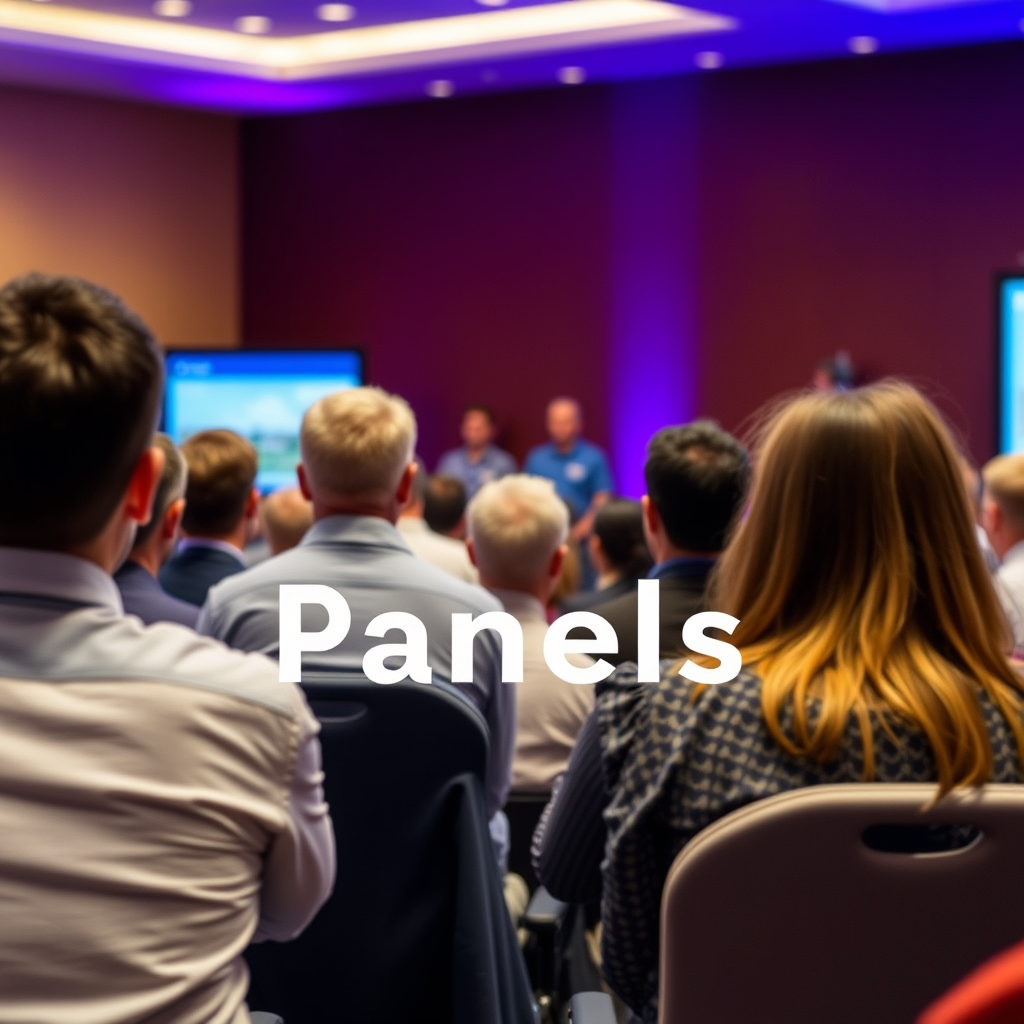
A panel typically consists of 3-5 speakers who discuss a specific topic, providing a breadth of knowledge and experience that can offer attendees more than a single speaker could. Each panelist usually brings a unique perspective based on their background, expertise, and experiences, which allows for a multifaceted discussion on the topic at hand. Panels often include a moderator, who plays a crucial role in facilitating the conversation, guiding it to ensure all panelists have opportunities to share their insights, and maintaining the flow of discussion.
The effectiveness of a panel discussion hinges on the synergy between the panelists and the moderator. Ideally, the moderator prepares questions in advance that encourage dynamic exchanges, enabling the audience to engage with the topic on a deeper level. This collaborative format not only enriches the discourse but also makes the session more interactive, allowing for audience participation through questions, comments, or even live polling.
Different Types of Speaker Groups
Besides panels, speakers can form various other groups, each serving different purposes. Forums, discussions, and workshops are common formats that can be employed depending on the conference’s objectives.
– Forums typically involve a larger group of speakers and are often more structured, focusing heavily on specific themes or topics while allowing for audience questions.
– Discussions might be less formal than panels and can include debates or open dialogues where speakers engage in direct conversation with each other, often leading to a more spontaneous exchange of ideas.
– Workshops are interactive sessions where speakers not only share knowledge but also guide attendees through practical exercises or hands-on activities, fostering a collaborative learning environment.
Each format serves a unique function, from in-depth analysis to interactive learning, ensuring that attendees can glean practical insights from their participation.
The Role of Moderators
Moderators play an essential role in the success of panel discussions. They ensure that the conversation stays on track, facilitating participation from all speakers while balancing time constraints. A skilled moderator will prepare by researching the speakers and the topic, crafting thoughtful questions that stimulate discussion and provoke deeper thought.
Moreover, moderators are responsible for managing audience questions, which is crucial for maintaining engagement and ensuring that attendees feel their voices are heard. By allowing and encouraging audience participation, moderators can create a more vibrant and enriching experience for everyone involved.
Top 7 Conference Panel Formats by Purpose (2024)
| # | Format | Purpose | Engagement Level | Duration |
|---|---|---|---|---|
| 1 | Panel | Diverse Perspectives | High | 30-60 mins |
| 2 | Forum | In-depth Discussion | Moderate | 45-90 mins |
| 3 | Discussion | Open Dialogue | High | 30-60 mins |
| 4 | Workshop | Interactive Learning | Very High | 1-3 hours |
| 5 | Roundtable | Focused Discussion | High | 30-60 mins |
| 6 | Seminar | Educational Sessions | Moderate | 60-120 mins |
| 7 | Keynote | Inspiring Talks | Variable | 20-90 mins |
Benefits of Panel Discussions
Panels offer numerous benefits, making them a preferred format for many conferences. One of the most significant advantages is the opportunity to present diverse perspectives on a single topic, which can enrich the audience’s understanding. By hearing from different experts, attendees can form a more nuanced view of the subject matter, enabling them to think critically and engage in informed discussions.
Moreover, panels promote networking opportunities among speakers and attendees alike. After the discussion, audience members often approach speakers for further conversation, leading to potential collaborations, mentorship, or simply a deeper understanding of the topic. These interactions can be invaluable, contributing to the ongoing learning and professional development of all parties involved.
Best Practices for Panelists
For panelists, preparation is key to effective communication. Speakers should prepare key points in advance while remaining flexible enough to adapt to the flow of the discussion. This preparation allows them to articulate their thoughts clearly and concisely, ensuring their contributions are impactful.
Engaging storytelling is another powerful tool for panelists. By incorporating personal anecdotes or case studies, speakers can make their points more relatable and memorable, helping the audience connect with the material on a personal level. This approach not only captivates the audience but also encourages them to engage more actively during the Q&A segment.
Audience Interaction in Panels
Encouraging audience questions is paramount for creating a dynamic exchange of ideas. Moderators can facilitate this by allocating specific time slots for audience interaction, ensuring that attendees feel empowered to contribute to the conversation.
Incorporating techniques such as live polling or Q&A apps can further enhance participation and feedback. These tools allow attendees to voice their opinions instantly and can provide valuable insights for the panelists. Fostering an environment where audience members feel comfortable asking questions and sharing their thoughts contributes to a more enriching experience for everyone involved.
How to Choose the Right Panel Format
Choosing the right panel format is critical to the success of a conference session. Organizers should consider the complexity of the topic and the interests of the audience when deciding on a format. For instance, a highly technical subject may benefit from a panel format that allows for detailed discussion, while a broad topic might be better suited for a forum or workshop to encourage interactive learning.
Additionally, the number of speakers is essential to determining if a panel is appropriate. A small group may lend itself well to a roundtable discussion, while a larger number of experts might be more effective in a traditional panel setting. Assessing these factors can help conference organizers create engaging, informative, and valuable sessions that meet the needs of their audience.
Summarizing the essential aspects of panels at conferences, it’s clear they play a crucial role in sharing knowledge and fostering dialogue. Whether you’re attending or organizing a conference, understanding the dynamics of speaker groups can enhance your experience. Engaging with diverse perspectives, actively participating in discussions, and leveraging the expertise of panelists can contribute significantly to your professional development. We invite you to share your thoughts or questions about panel discussions!
Frequently Asked Questions
What is a group of speakers at a conference called?
A group of speakers at a conference is commonly referred to as a “panel.” Panels typically consist of experts or thought leaders who discuss specific topics, share insights, and answer questions from the audience, providing diverse perspectives on the subject matter.
How does a panel discussion work at a conference?
A panel discussion at a conference typically involves a moderator who guides the conversation among the panelists. Each panelist presents their viewpoints on a specific topic, followed by a Q&A session where attendees can engage directly, making it an interactive and informative experience.
Why are panels important in conference settings?
Panels are important in conference settings because they foster collaboration and knowledge sharing among experts, allowing attendees to gain a multi-faceted understanding of complex topics. This format encourages audience participation and helps build a community around shared interests and challenges.
What is the best way to prepare for a speaking panel at a conference?
The best way to prepare for a speaking panel at a conference is to research the topic thoroughly and understand the perspectives of your fellow panelists. Additionally, practicing your presentation skills, anticipating audience questions, and coordinating with the moderator can enhance your performance and ensure a compelling discussion.
Which types of conferences typically feature panel discussions?
Panel discussions are commonly featured in various types of conferences, including academic, industry, and professional development events. These conferences benefit from the expertise of multiple speakers, making them ideal for tackling complex topics and encouraging dialogue among participants.
References
- https://en.wikipedia.org/wiki/Conference
https://en.wikipedia.org/wiki/Conference - https://www.britannica.com/topic/conference
https://www.britannica.com/topic/conference - Google Scholar Google Scholar
https://scholar.google.com/scholar?q=what+is+a+group+of+speakers+at+a+conference+called - https://scholar.google.com/scholar?q=conference+structure+and+speakers Google Scholar
https://scholar.google.com/scholar?q=conference+structure+and+speakers - https://www.nature.com/articles/s41599-019-0222-8
https://www.nature.com/articles/s41599-019-0222-8 - https://www.ncbi.nlm.nih.gov/pmc/articles/PMC6012544/
https://www.ncbi.nlm.nih.gov/pmc/articles/PMC6012544/ - https://www.cdc.gov/niosh/topics/conferences.html
https://www.cdc.gov/niosh/topics/conferences.html - https://www.who.int/health-topics/conferences
https://www.who.int/health-topics/conferences - https://pubmed.ncbi.nlm.nih.gov/30553567/
https://pubmed.ncbi.nlm.nih.gov/30553567/ - https://www.sciencedirect.com/science/article/pii/S1877050916300982
https://www.sciencedirect.com/science/article/pii/S1877050916300982
